Rapid CNC machining is an accelerated precision manufacturing process that uses computer-controlled machining technology to produce custom parts in significantly shorter lead times, typically within 1 to 5 days. Unlike traditional manufacturing methods, rapid CNC machining enables fast production of prototypes, functional components, and low-volume parts while maintaining high accuracy, tight tolerances, and excellent surface finishes.
By combining advanced CNC equipment, including 3-axis, 4-axis, and 5-axis machining centers, with optimized programming and efficient production workflows, rapid CNC machining reduces setup time and improves manufacturing efficiency. It allows engineers and product teams to quickly transform CAD designs into physical parts without the long waiting periods associated with conventional production methods.
This guide explains the key aspects of rapid CNC machining, including the manufacturing process, material options, cost factors, lead times, and design considerations. Whether you are developing prototypes, testing new product designs, or preparing for small-batch production, understanding how rapid CNC machining works can help you make better decisions and bring products to market faster.
What Is Rapid CNC Machining?
Rapid CNC machining is a fast-turn manufacturing process that delivers precision-machined parts in significantly shorter lead times, typically from a few days to one week. The machining method itself is the same as traditional CNC machining, but the entire workflow is optimized through automated quoting, efficient programming, streamlined production processes, and dedicated rapid manufacturing systems.
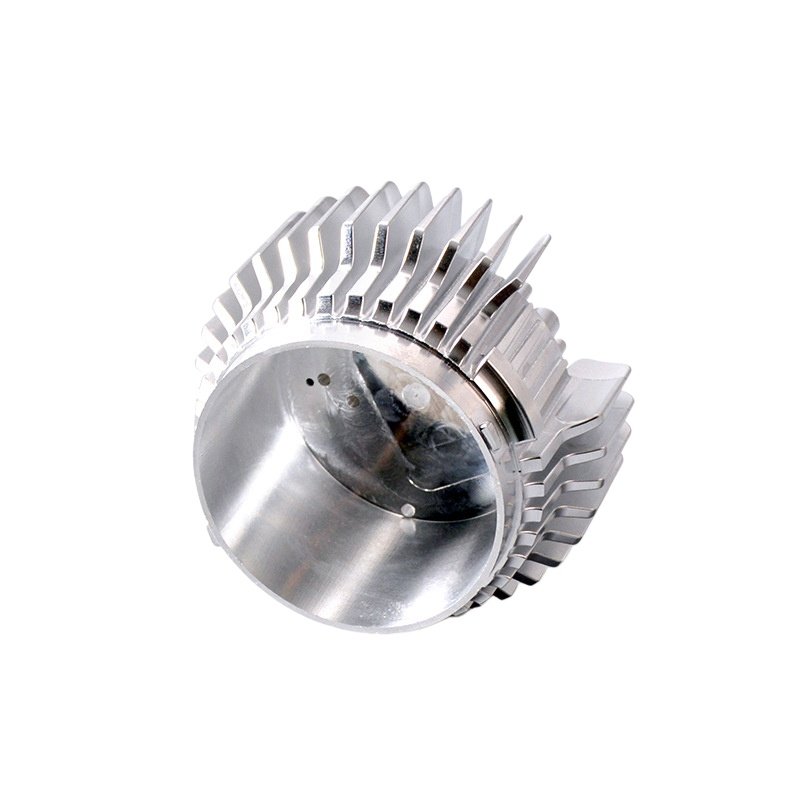
Unlike additive manufacturing methods such as 3D printing, CNC machining is a subtractive manufacturing process that removes material from a solid workpiece to create the final part. Because the parts are machined from production-grade materials, rapid CNC machining can produce functional prototypes with excellent strength, dimensional accuracy, and resistance to heat, stress, and wear.
Rapid CNC machining is especially valuable during product development when engineers need to quickly test, evaluate, and improve designs before mass production. It allows teams to validate part fit, function, and performance using real materials and production-level processes, reducing development risks and accelerating the transition from prototype to final product.
Rapid CNC Machining Process
Rapid CNC machining improves production speed by optimizing each stage of the manufacturing workflow, from design preparation to final finishing. The main process includes CAD analysis, material selection, CNC programming, machining, and surface treatment.
CAD Design

The process begins with a 3D CAD model, usually provided in formats such as STEP or IGES files. Before machining starts, professional rapid CNC services typically perform design-for-manufacturing (DFM) analysis to identify potential issues, including excessive wall thickness, difficult-to-machine features, sharp internal corners, and unnecessary complexity.
Resolving these design challenges early helps reduce machining time, prevent production delays, and improve overall part manufacturability.
Material Selection
Material choice has a direct impact on machining speed, tool wear, surface finish, and total project cost. Different materials require different cutting parameters and machining strategies.
For example, aluminum alloys are generally faster and easier to machine than stainless steel due to their lower hardness and better machinability. Selecting the right material helps achieve shorter lead times while maintaining the required mechanical properties.
CNC Programming
After design approval, CAM software converts the CAD model into optimized toolpaths and G-code instructions for the CNC machine. Rapid CNC machining often uses advanced multi-axis machining technology to reduce setups and improve efficiency.
5-axis CNC machines can complete complex geometries in fewer setups, reducing repositioning time and improving accuracy compared with traditional machining methods that require multiple fixture changes.
Machining
During the machining stage, CNC milling, turning, or mill-turn equipment removes material using precision cutting tools. Milling is commonly used for complex prismatic parts, while CNC turning is ideal for cylindrical components.
Modern rapid CNC machining centers can achieve tight tolerances and consistent repeatability, making them suitable for functional prototypes, engineering samples, and low-volume production parts.
Surface Treatment and Finishing
After machining, parts may undergo additional finishing processes to improve appearance, surface performance, or corrosion resistance. Common options include polishing, bead blasting, anodizing, plating, and other surface treatments.
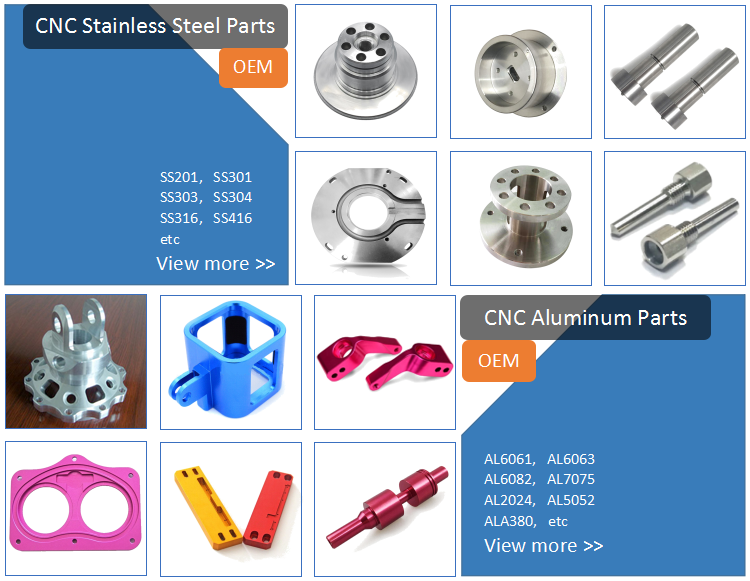
However, finishing requirements should be carefully considered because additional processing can increase production time and overall cost. Selecting only necessary surface treatments helps maintain faster turnaround times for rapid CNC projects.What Is Rapid CNC Machining?
Rapid CNC machining is a fast-turn manufacturing process that delivers precision-machined parts in significantly shorter lead times, typically from a few days to one week. The machining method itself is the same as traditional CNC machining, but the entire workflow is optimized through automated quoting, efficient programming, streamlined production processes, and dedicated rapid manufacturing systems.
Unlike additive manufacturing methods such as 3D printing, CNC machining is a subtractive manufacturing process that removes material from a solid workpiece to create the final part. Because the parts are machined from production-grade materials, rapid CNC machining can produce functional prototypes with excellent strength, dimensional accuracy, and resistance to heat, stress, and wear.
Rapid CNC machining is especially valuable during product development when engineers need to quickly test, evaluate, and improve designs before mass production. It allows teams to validate part fit, function, and performance using real materials and production-level processes, reducing development risks and accelerating the transition from prototype to final product.
Best Materials for Rapid Prototyping
Material selection is one of the most important decisions in rapid CNC prototyping. The ideal material should not only meet the mechanical requirements of the final application but also provide good machinability, availability, and cost efficiency to support fast production cycles.
Unlike some additive manufacturing methods, rapid CNC machining uses solid blocks, bars, or billets as raw materials. This allows prototypes to be produced from the same or similar materials used in final production, providing more accurate results for strength testing, functional validation, and performance evaluation.
Aluminum 6061-T6
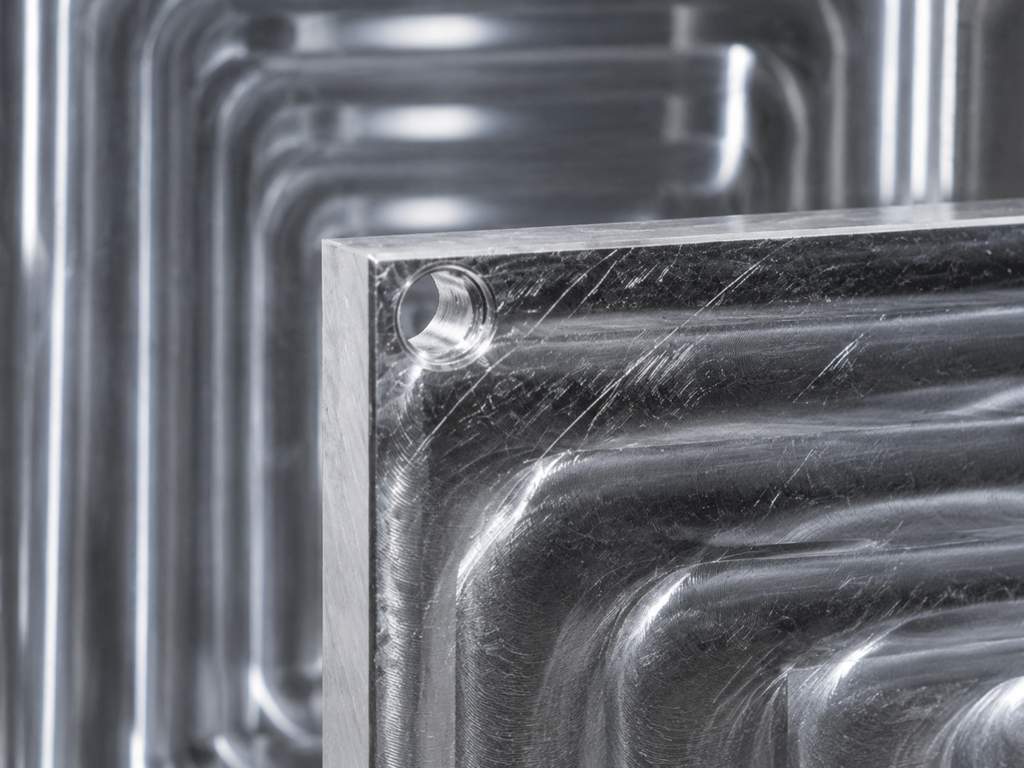
Aluminum 6061-T6 is one of the most widely used materials for rapid CNC prototyping due to its excellent balance of strength, weight, machinability, and cost. It can be machined quickly while maintaining good dimensional accuracy and surface quality.
With excellent corrosion resistance and compatibility with processes such as anodizing, aluminum 6061-T6 is commonly used for aerospace components, consumer products, electronic housings, and mechanical prototypes.
Stainless Steel 304 / 316
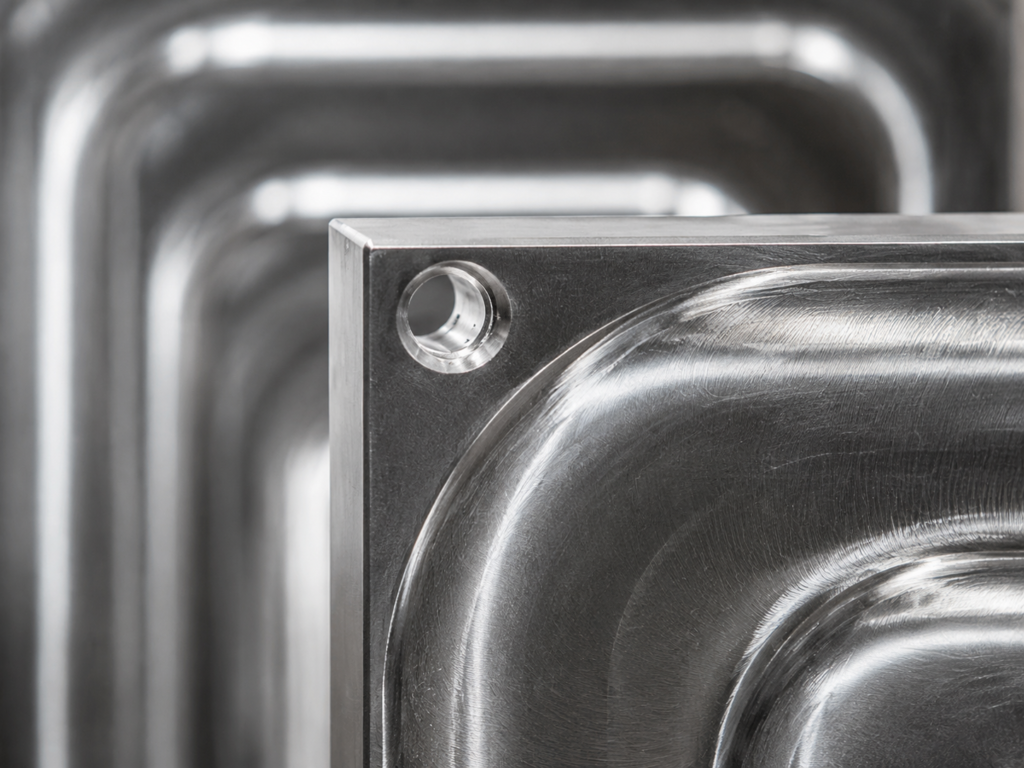
Stainless steel is selected when prototypes require higher strength, durability, and corrosion resistance. Grades such as 304 and 316 are commonly used for industrial components, medical devices, food processing equipment, and applications exposed to harsh environments.
Although stainless steel requires slower machining speeds compared with aluminum, it provides excellent mechanical performance and long-term reliability for demanding applications.
Mild Steel
Mild steel offers a cost-effective solution for prototypes, fixtures, brackets, and structural components where high strength is required without the need for extreme corrosion resistance.
Its affordability and availability make it a practical choice for functional testing and industrial applications, especially in automotive and general engineering projects.
Brass
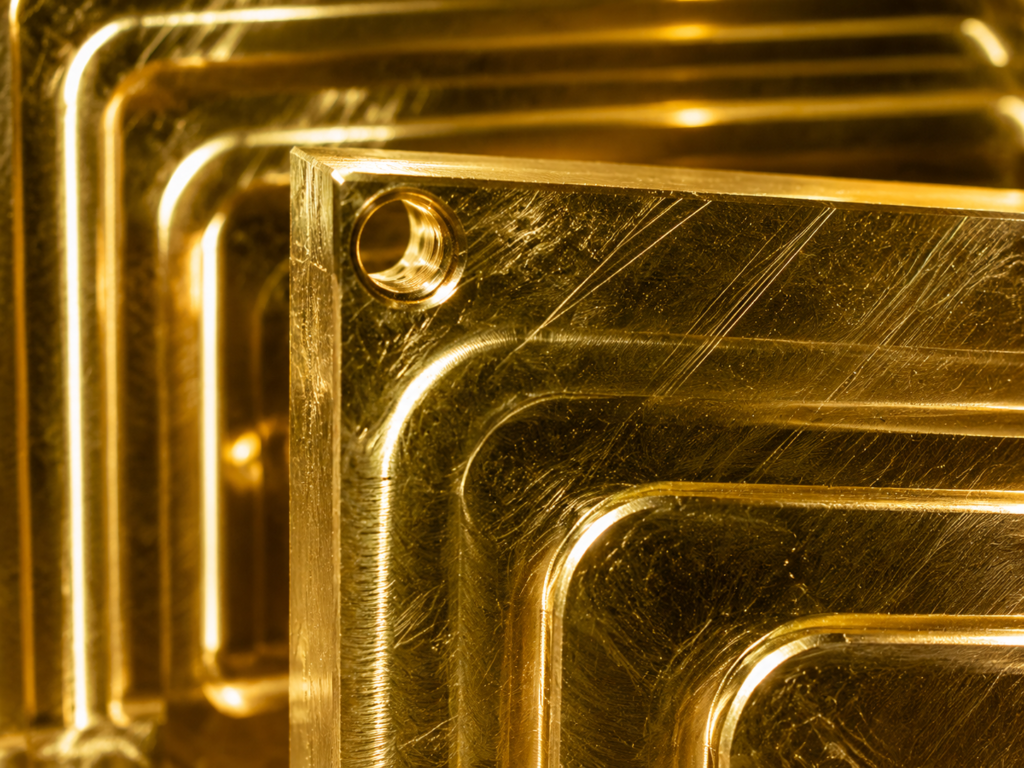
Brass is known for its outstanding machinability, allowing CNC machines to achieve fast cutting speeds, excellent surface finishes, and stable dimensional accuracy. It is commonly used for precision components such as fittings, valves, connectors, and electrical parts.
While brass provides excellent machining performance, its higher raw material cost compared with aluminum may make it less suitable for large prototype quantities.
Engineering Plastics (ABS, Nylon, Delrin)
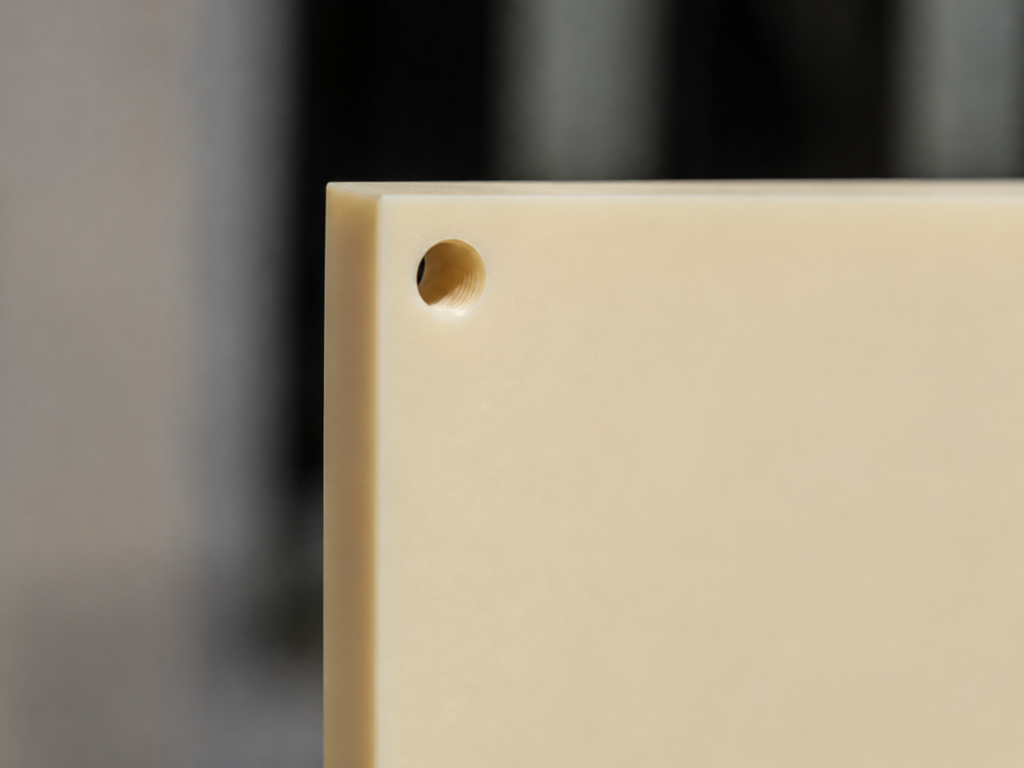
Engineering plastics are widely used for rapid prototypes that require lightweight designs, electrical insulation, or low-cost iterations. Materials such as ABS, nylon, and Delrin are suitable for testing product assembly, fit, movement, and basic functional performance.
However, plastics generally have lower dimensional stability compared with metals, especially under high temperatures or tight tolerance requirements.
Titanium
Titanium alloys, especially Grade 5 titanium, are used for high-performance applications where strength-to-weight ratio, heat resistance, and corrosion resistance are critical. They are commonly found in aerospace, medical, and advanced engineering components.
The main challenge with titanium is its difficult machinability. Compared with aluminum, titanium requires slower cutting speeds, specialized tooling, and optimized machining strategies, which can increase production time and cost.
How to Choose the Right Material for Rapid CNC Prototyping?
The best material depends on the purpose of the prototype, required mechanical properties, operating environment, and production budget.
When selecting a material, engineers should consider:
- Mechanical requirements: strength, hardness, flexibility, and wear resistance
- Machining performance: cutting speed, tool life, and achievable tolerances
- Environmental conditions: temperature, corrosion, and chemical exposure
- Production goals: prototype testing, functional validation, or low-volume manufacturing
Choosing the right material helps ensure that rapid CNC prototypes accurately represent the final product while keeping development time and manufacturing costs under control.
Rapid CNC Machining vs Traditional CNC Machining
The main difference between rapid CNC machining and traditional CNC machining is not the cutting technology itself, but the efficiency of the overall manufacturing workflow. Rapid CNC machining focuses on reducing lead times through automated quoting, optimized CAM programming, digital DFM analysis, and advanced machining methods such as multi-axis machining.
Traditional CNC machining usually requires more manual preparation, including quotation review, programming adjustments, and production scheduling. Rapid CNC machining simplifies these steps to deliver prototypes, functional parts, and low-volume production components faster.
| Factor | Rapid CNC Machining | Traditional CNC Machining |
|---|---|---|
| Quote Process | Automated quotation within hours | Manual review process |
| Lead Time | Typically 1–5 business days | Usually longer production cycles |
| Minimum Quantity | Suitable for single parts and small batches | Better suited for larger production runs |
| Best Application | Prototypes, testing, low-volume manufacturing | High-volume repeat production |
| Complex Geometries | Efficient with 5-axis and multi-axis machining | Requires more setups and programming time |
| Design Feedback | Automated DFM analysis available | Usually manual engineering review |
Rapid CNC machining is an excellent choice for product development because it allows engineers to quickly test real parts made from production materials. After the design is finalized and production quantities increase, traditional CNC machining may provide better cost efficiency through dedicated fixtures, optimized processes, and higher-volume production planning.
How Much Does Rapid CNC Machining Cost?
The cost of rapid CNC machining depends on several factors, including material type, part complexity, machining time, tolerances, surface finishing requirements, and order quantity. Typical CNC machining rates range from $35 to $200 per hour depending on the equipment and manufacturing requirements.
| Cost Factor | Typical Range | Description |
|---|---|---|
| 3-Axis CNC Milling | $35–$100/hr | Standard machining operations |
| 5-Axis CNC Machining | $75–$200/hr | Complex parts requiring fewer setups |
| CNC Turning | $20–$50/hr | Cylindrical components |
| Programming & Setup | $50–$200/job | CAD preparation and machine setup |
| Surface Finishing | $25–$150/batch | Anodizing, polishing, bead blasting, etc. |
A simple way to estimate rapid CNC machining costs is:
Total Cost = Material Cost + Setup Cost + Machining Time × Hourly Rate + Finishing Cost
To reduce machining costs, engineers can optimize part designs, avoid unnecessary tight tolerances, select machinable materials, and minimize the number of machining setups.
For example, a basic aluminum prototype may cost a few hundred dollars, while complex parts involving advanced materials, tight tolerances, or additional finishing processes may require a higher budget.
Applications of Rapid CNC Machining

Rapid CNC machining is widely used in industries that require accurate parts, fast development cycles, and functional prototypes made from real engineering materials. It helps companies validate designs, test performance, and reduce risks before full-scale production.
Aerospace and Defense
Aerospace manufacturers use rapid CNC machining to produce lightweight structural components, brackets, housings, and prototype parts. Materials such as aluminum, titanium, and high-strength alloys are commonly selected for applications requiring excellent strength-to-weight ratios and reliable performance under demanding conditions.
Multi-axis CNC machining is often used for aerospace components with complex geometries, reducing the need for multiple setups and improving overall accuracy.
Medical Devices
Rapid CNC machining plays an important role in medical product development, including surgical instruments, medical equipment housings, and prototype implants. Materials such as titanium, stainless steel, and engineering plastics are widely used due to their strength, durability, and corrosion resistance.
Fast prototype production allows medical companies to evaluate design improvements, assembly performance, and usability before moving into larger-scale manufacturing.
Automotive
The automotive industry uses rapid CNC machining for prototype parts, functional testing components, and design verification. Common applications include engine components, brackets, transmission parts, and interior components.
By machining prototypes from production-grade materials, engineers can accurately evaluate performance before investing in mass production.
Robotics and Consumer Products
Robotics and consumer electronics companies rely on rapid CNC machining for precision housings, mechanical structures, and functional prototypes. The ability to quickly convert CAD designs into physical parts helps engineering teams test assemblies, improve designs, and shorten product development cycles.
Common Mistakes That Slow Down CNC Machining
During rapid CNC machining projects, many delays and unexpected costs come from avoidable design and preparation mistakes. Identifying these issues early helps manufacturers reduce production time, improve efficiency, and achieve better machining results.
- Missing Tolerances and Technical Requirements
Uploading only a 3D CAD file without clear tolerances is a common mistake. STEP or IGES files define the part geometry, but a detailed 2D drawing with GD&T specifications is often necessary to communicate critical dimensions, surface requirements, and inspection standards. - Selecting Hard-to-Source Materials
Choosing uncommon materials can create unnecessary sourcing delays and increase project costs. In many cases, readily available alloys with similar mechanical properties can achieve the same performance while allowing faster production and easier procurement. - Designing Features Beyond Machine Capabilities
Complex geometries such as deep undercuts, compound angles, and helical features may require 5-axis CNC machining or multiple setups. Parts with these features should be designed with machining limitations in mind or produced by a manufacturer with advanced multi-axis capabilities. - Using Multiple Surface Finishes on a Single Part
Applying different finishes to different areas of one component often requires additional masking, processing, and handling steps. These extra operations can increase production time and cost. When possible, simplifying finishing requirements or using a consistent surface treatment can improve efficiency.
CNC Machining Services
Rapid CNC Machining Solutions
At Junvor, we provide professional rapid CNC machining services to help engineers, designers, and businesses turn ideas into high-quality functional parts quickly and efficiently. From prototype development to low-volume production, our team focuses on delivering accurate machining, reliable quality, and fast turnaround times without unnecessary delays.
We support a wide range of CNC machining applications across industries, including aerospace, automotive, medical, robotics, and industrial equipment. With advanced CNC equipment, experienced engineers, and flexible material options, Junvor can manufacture precision components from metals, plastics, and other engineering materials to meet different project requirements.
Request a quote today and benefit from:
- Fast and reliable lead times
- Wide range of material options
- Tight tolerance CNC machining capabilities
- Competitive manufacturing costs
- Strict quality control and inspection processes
- Professional engineering support from prototype to production
At Junvor, we are committed to providing efficient CNC machining solutions that help customers reduce development time, improve product performance, and bring innovative designs to market faster.
Conclusion
Rapid CNC machining is more than just a faster CNC manufacturing method; it is an efficient solution that helps engineers and businesses accelerate product development, validate designs, and produce high-quality parts with shorter lead times. By combining optimized machining processes, advanced CNC technology, and a wide range of material options, rapid CNC machining enables functional prototypes and low-volume production parts to be created quickly and accurately.
At Junvor, we help customers transform concepts into precision-machined components through reliable CNC machining services, flexible production capabilities, and strict quality control. Whether you need prototypes for testing, custom parts for engineering validation, or small-batch production, Junvor provides the manufacturing support needed to move projects forward with confidence.