Custom CNC Machining Services In China
Searching for reliable CNC machining services? Junvor provides high-precision CNC machined metal and plastic parts for global industries. We utilize advanced CNC technology, offering 100+ materials, multiple surface finishes, and strict quality systems to ensure accurate, durable, and cost-effective manufacturing solutions.
Precision CNC Machining Services Supplier in China
Are you looking for a reliable partner to provide CNC machining services?
At Junvor, we are a China-based provider of high-precision CNC machining services. We specialize in 3-axis, 4-axis, and 5-axis CNC milling, turning, and lathe machining, delivering custom precision parts that meet your drawings and specifications with stable quality, tight tolerances, and high accuracy.
With over 60 CNC machines and strong engineering support, Junvor provides efficient solutions for both prototyping and mass production. We serve industries including automotive, electronics, medical, aerospace, and industrial equipment, offering reliable, fast, and cost-effective manufacturing services for global customers.
CNC Machining Capabilities
Junvor provides advanced CNC machining capabilities covering milling, turning, and multi-axis machining, delivering high-precision parts with consistent quality and reliable lead times.
CNC Milling
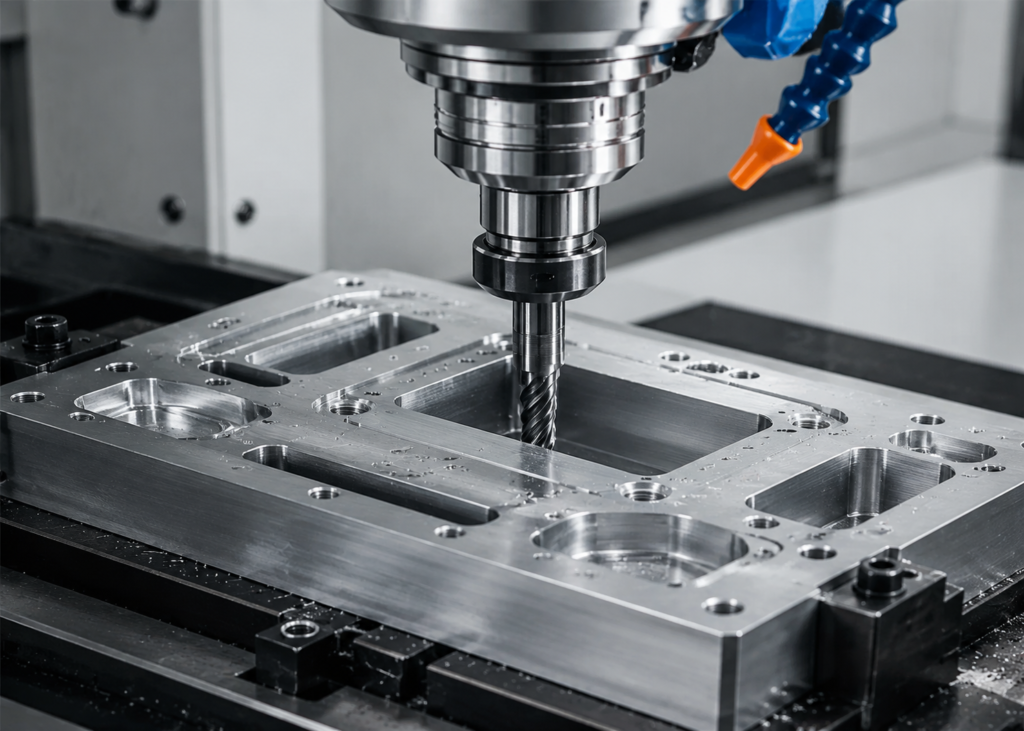
CNC milling is a precision subtractive manufacturing process using multi-axis machines to cut metal and plastic materials into complex, high-accuracy components with stable repeatability.
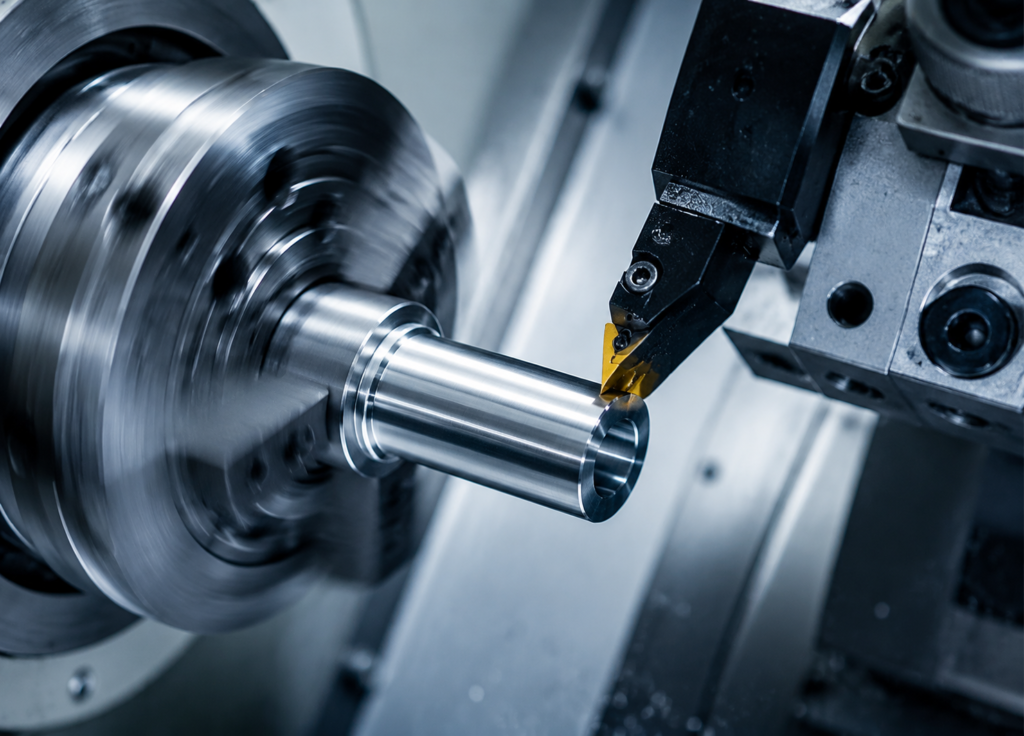
CNC Turning
CNC turning uses rotating workpieces and precision cutting tools to produce cylindrical parts such as shafts and connectors, ensuring high accuracy and smooth surface finishes.
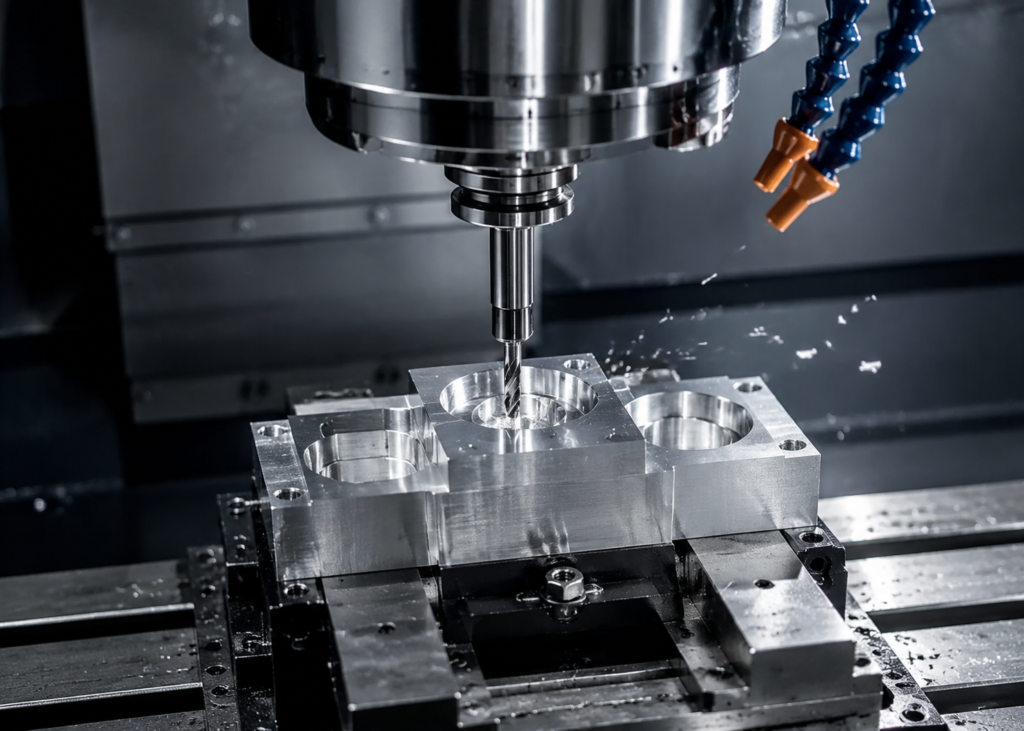
3 Axis CNC Machining
Junvor’s manufacturing network provides advanced CNC machining capabilities with tight tolerances, competitive pricing, and multiple surface finishing options to support diverse production requirements.
What Is CNC Machining?
CNC machining (Computer Numerical Control machining) is a precision manufacturing process that uses automated, high-speed cutting tools to produce parts from metal or plastic materials. The process is controlled by programmed instructions based on CAD (computer-aided design) models, ensuring high accuracy, consistency, and repeatability across production.
Junvor operates advanced CNC systems including 3-axis, 4-axis, and 5-axis milling machines, as well as turning and routing equipment. Depending on the application, either the tool or the workpiece—or both—can move to achieve the required geometry. This flexibility allows us to manufacture complex components for industries such as aerospace, medical, electronics, robotics, and industrial equipment, using a wide range of engineering materials including aluminum, titanium, and high-performance plastics.
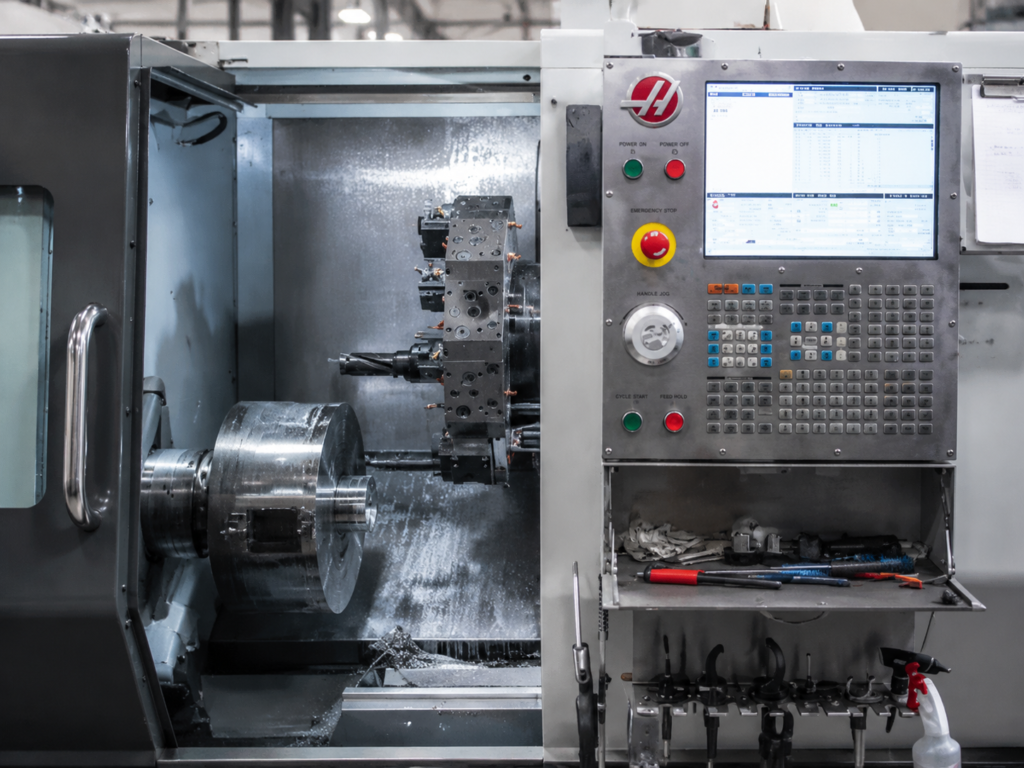
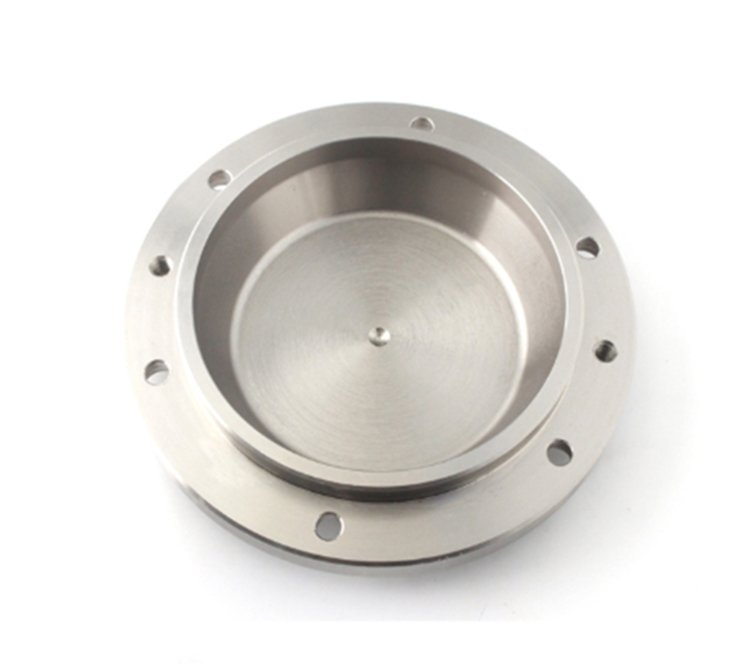
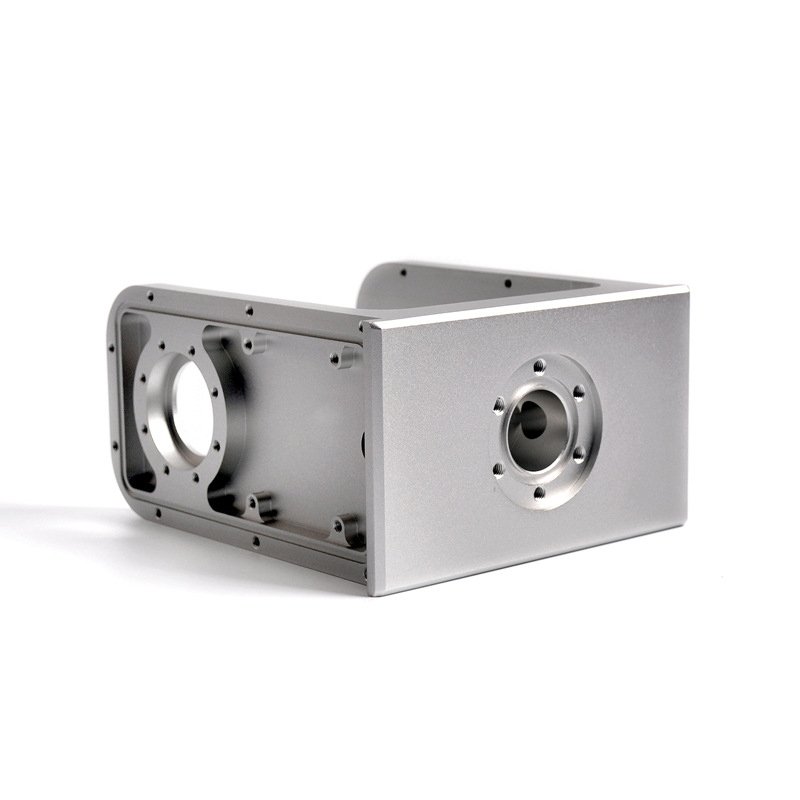
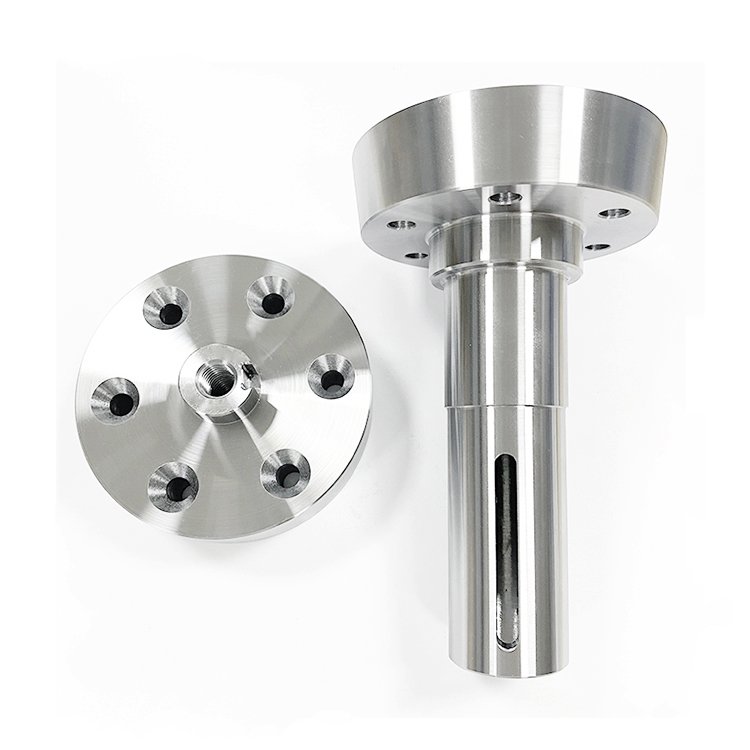
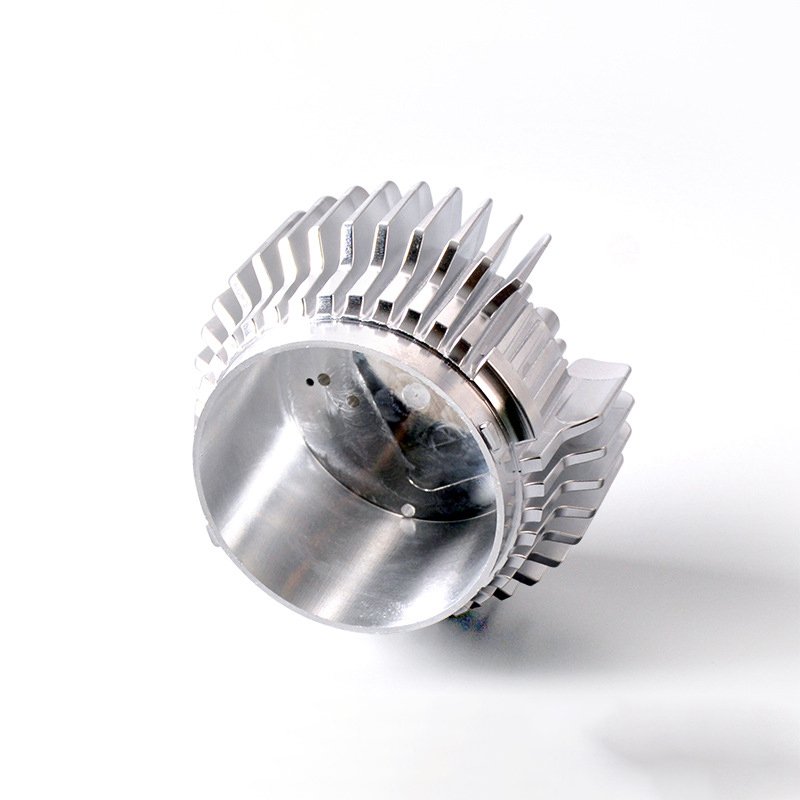
Precision CNC Machined Parts We Delivered
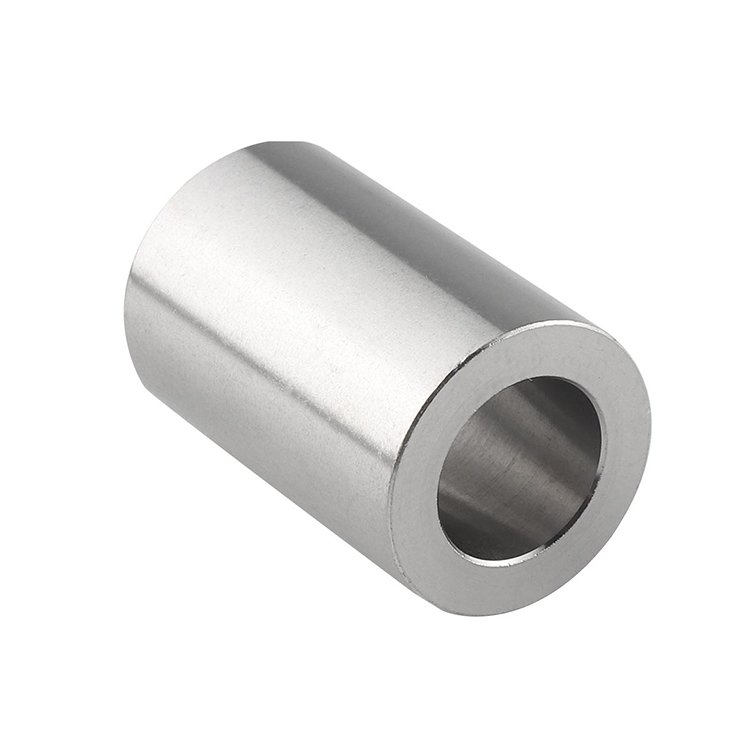
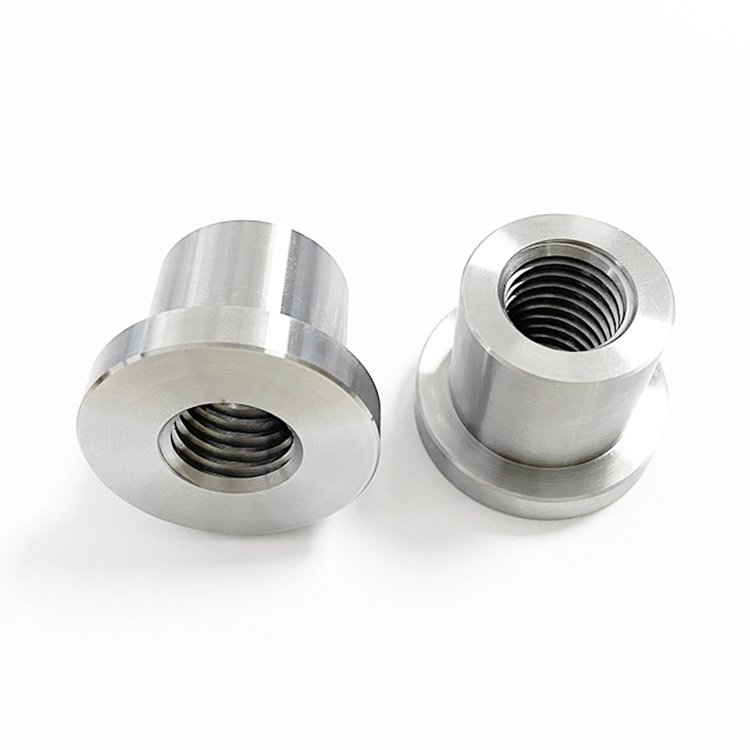
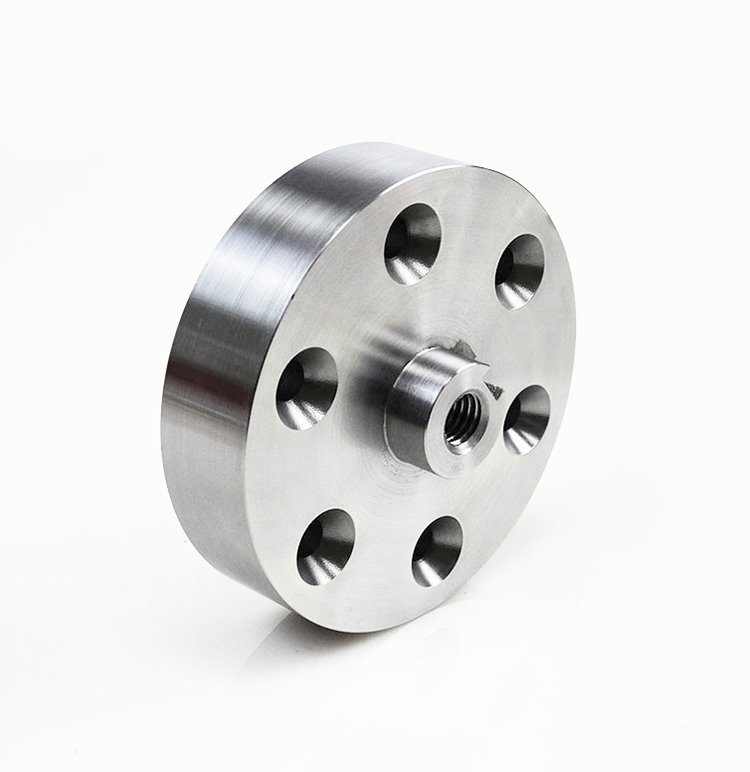
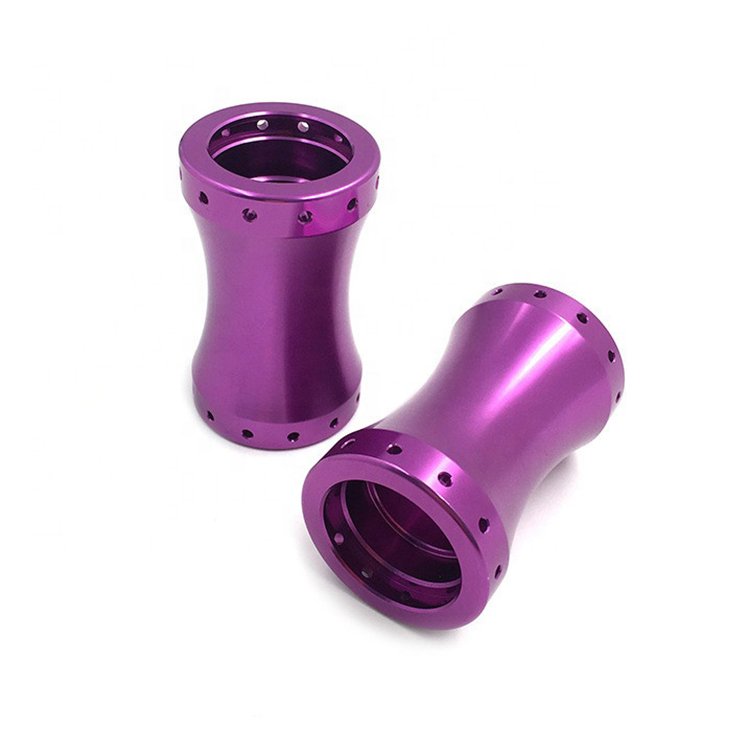
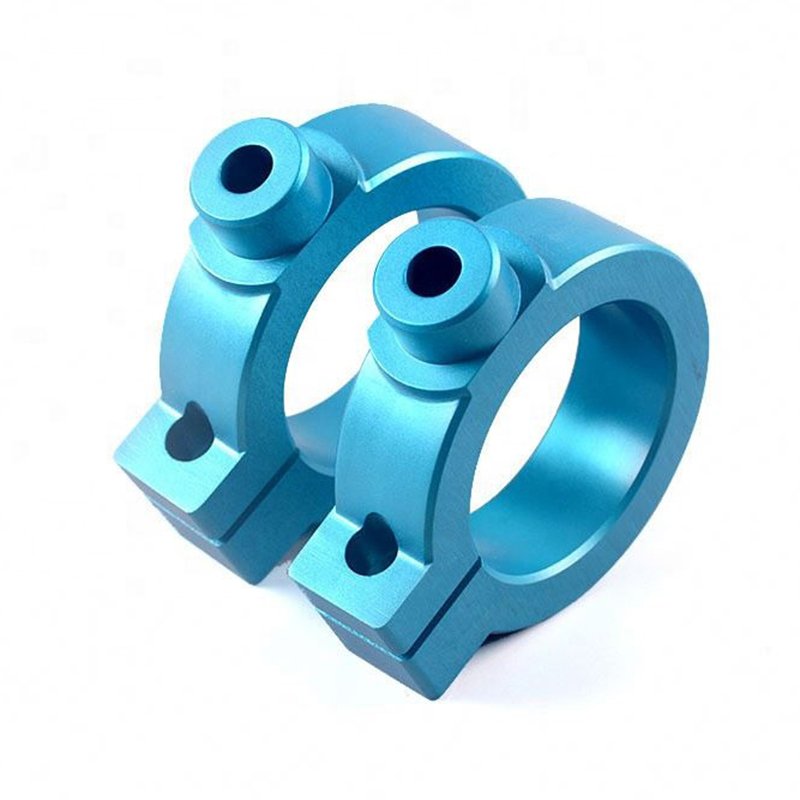
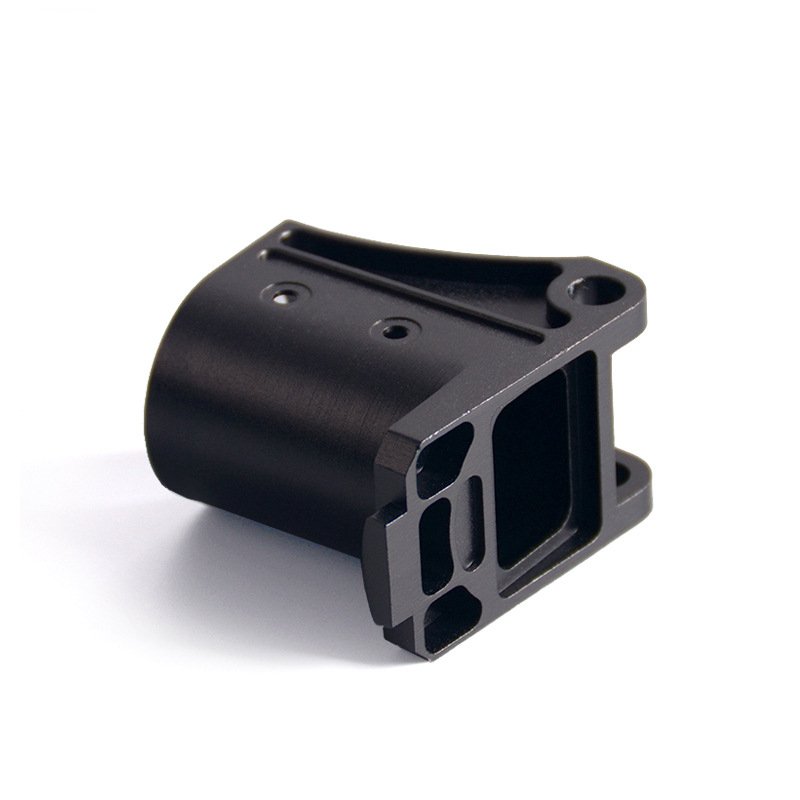
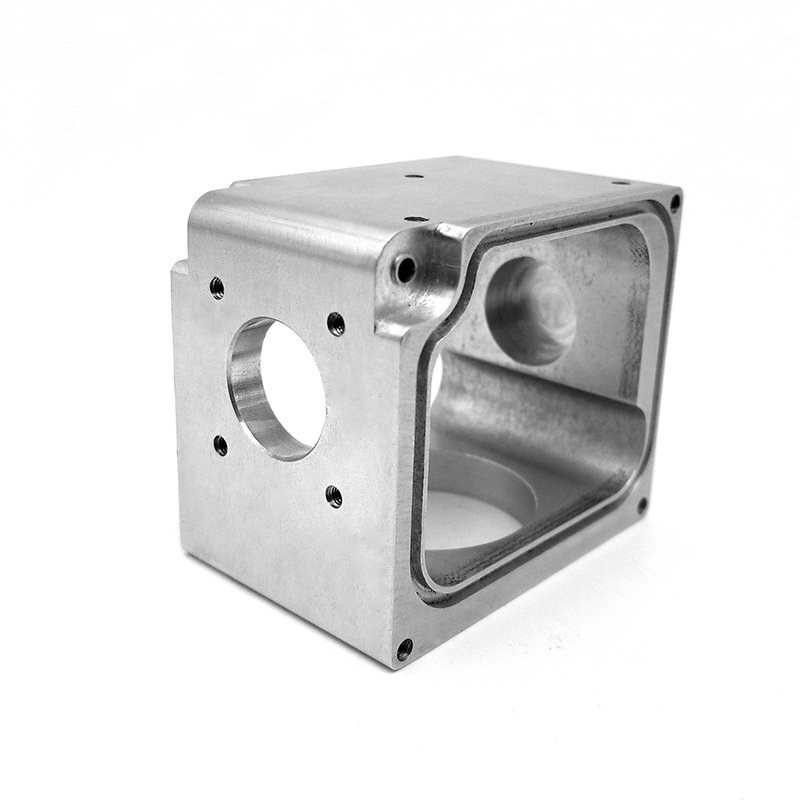
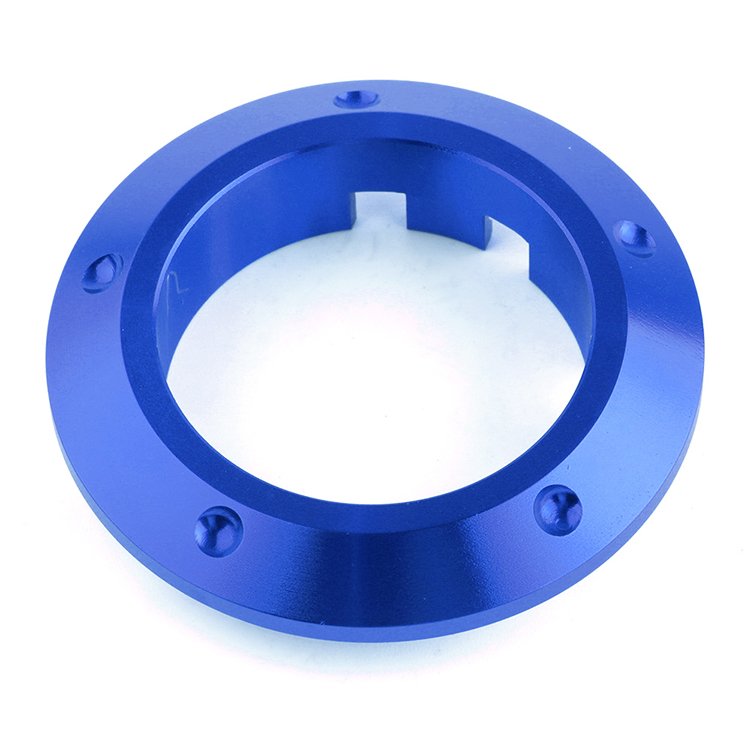
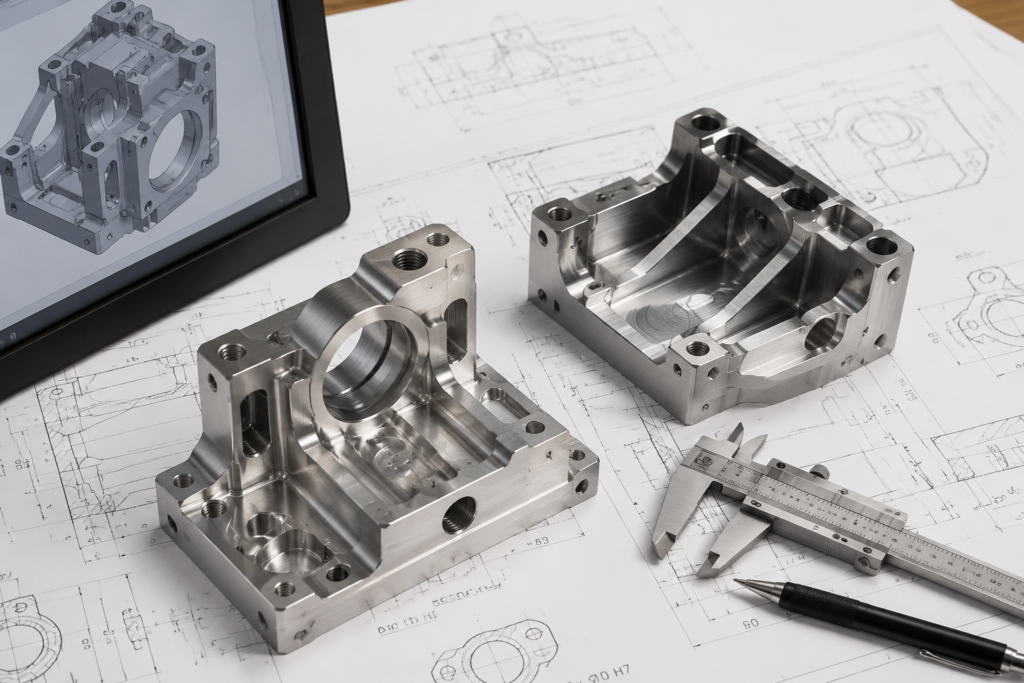
We deliver precision CNC machined parts with high accuracy, stable quality, and strict tolerance control. Each component is manufactured using advanced equipment to meet customer drawings and ensure reliable performance for industrial applications.
Design for Manufacturability & Assembly (DFMA)
Upon receiving your inquiry, our engineers at Junvor will immediately review your CAD files and provide professional DFM/DFA feedback to optimize manufacturability, reduce production costs, and improve part performance. We help identify potential design issues early and eliminate non-manufacturable features before production begins.
By optimizing design at the early stage, we help customers reduce machining costs, improve product quality, and accelerate time to market. Our DFMA support ensures every custom CNC part is designed for efficient and cost-effective manufacturing from concept to production.
From 3D Model Design to Precision Machined Parts
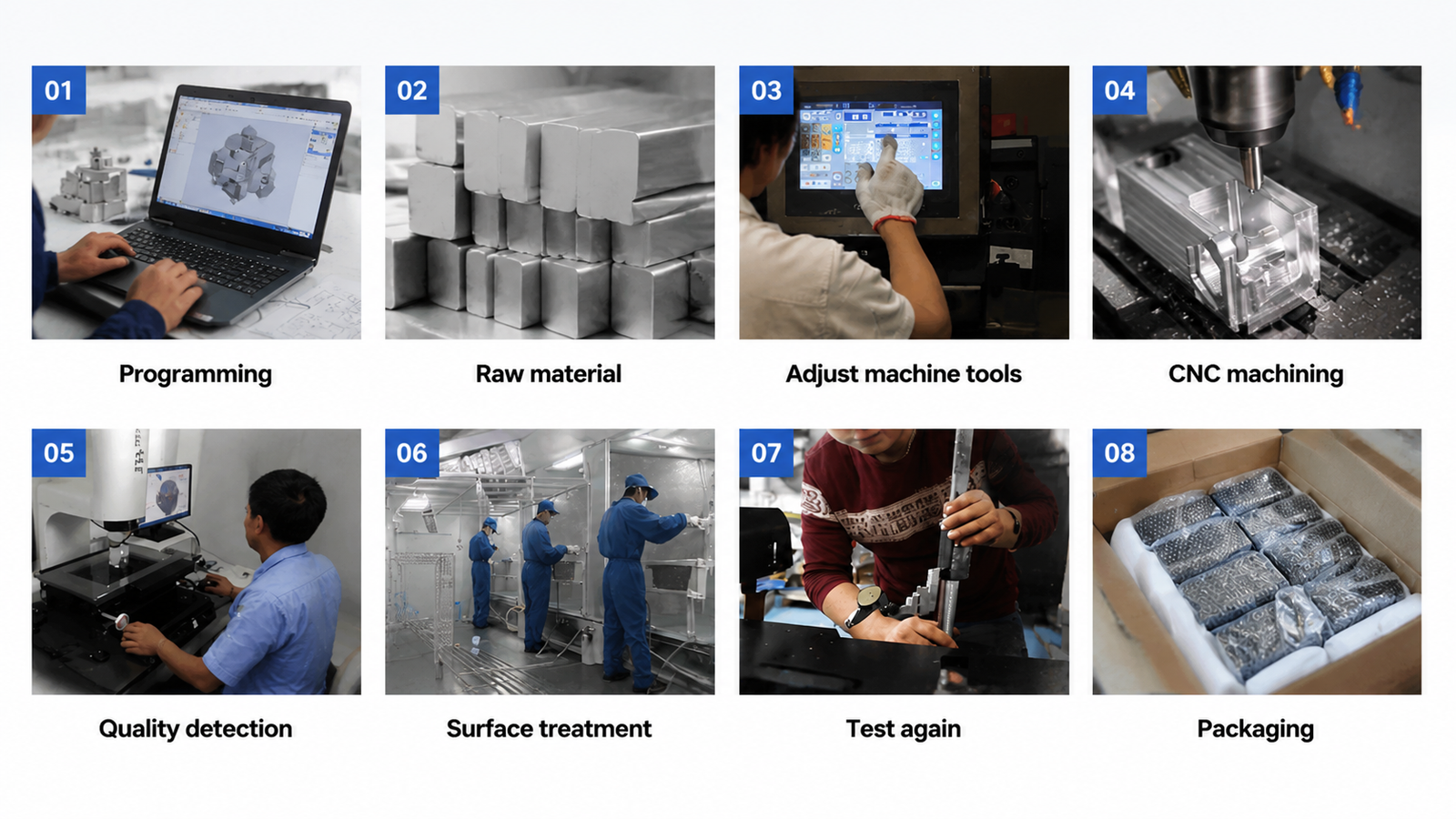
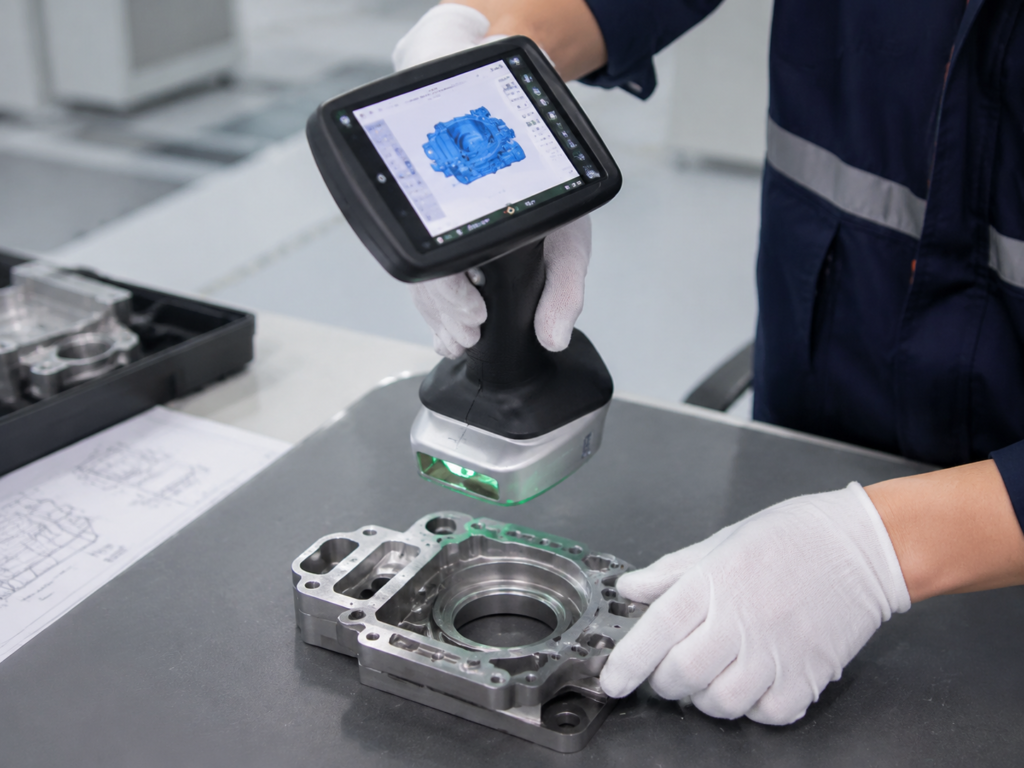
Junvor is a full-service CNC machining manufacturer providing complete solutions from 3D design to finished precision parts. We support prototyping, engineering design, CNC machining, 3D printing, 5-axis machining, turning, milling, and CMM inspection to ensure high accuracy and stable quality.
Our integrated manufacturing system combines engineering expertise with automated production lines to achieve efficient mass production while reducing errors and lead times. Whether for prototypes or large-scale production, Junvor ensures reliable quality, fast delivery, and consistent performance for global industries.
CNC Machining Materials
Aluminum
Aluminum is a widely used material in CNC machining due to its low density, excellent mechanical properties, high thermal and electrical conductivity, and strong corrosion resistance. It is suitable for a broad range of precision components across multiple industries.
Common aluminum alloys such as 6061-T651, 7075-T651, and 2024-T351 are frequently used in CNC manufacturing. These grades offer an optimal balance of strength, machinability, and cost efficiency, making them ideal for both prototyping and production applications.
Brass
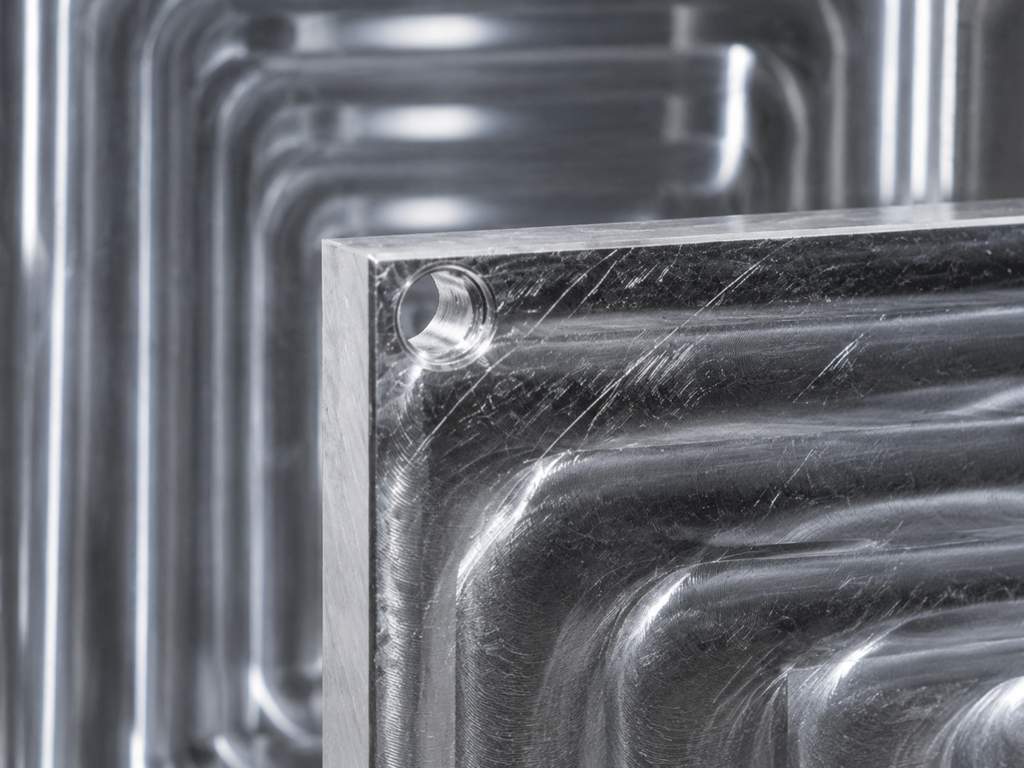
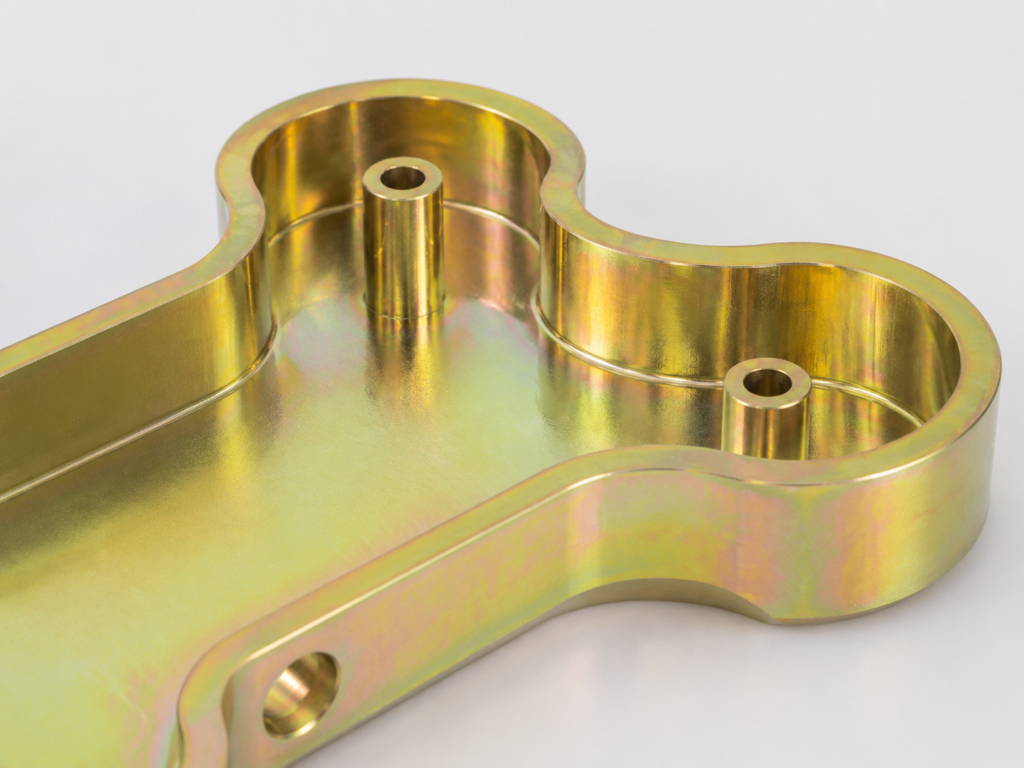
Brass is an alloying consisting of both copper and zinc. The gold materials is a weather- and corrosion- resistant metal with tensile strength similar to mild steel. It’s also an easy to machine material, so feedrates can remain high and coolant need is minimal.
Copper
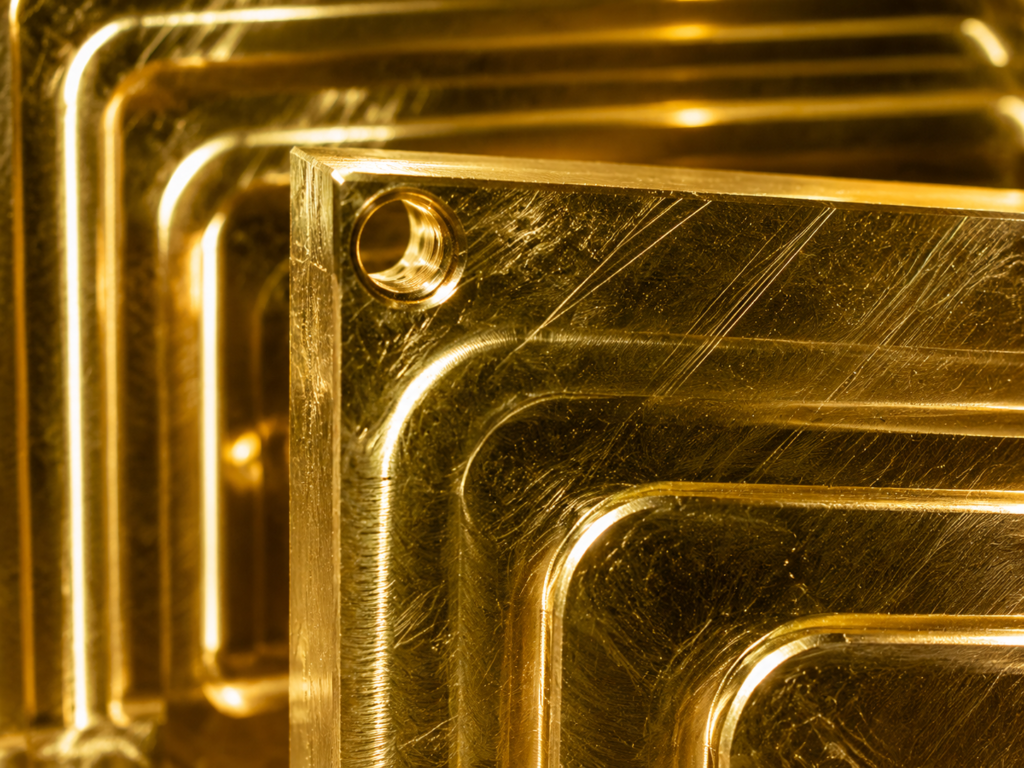
Copper is a metal that is corrosion-resistant, extremely electrically conductive, and highly ductile. Its glossy orange-reddish appearance is instantly recognizable, and the metal looks attractive even when it goes through a natural oxidation process that forms a bluish-green coating called patina in response to its environment. Note, however, that copper weldability is considered moderate to poor.
Stainless Steel
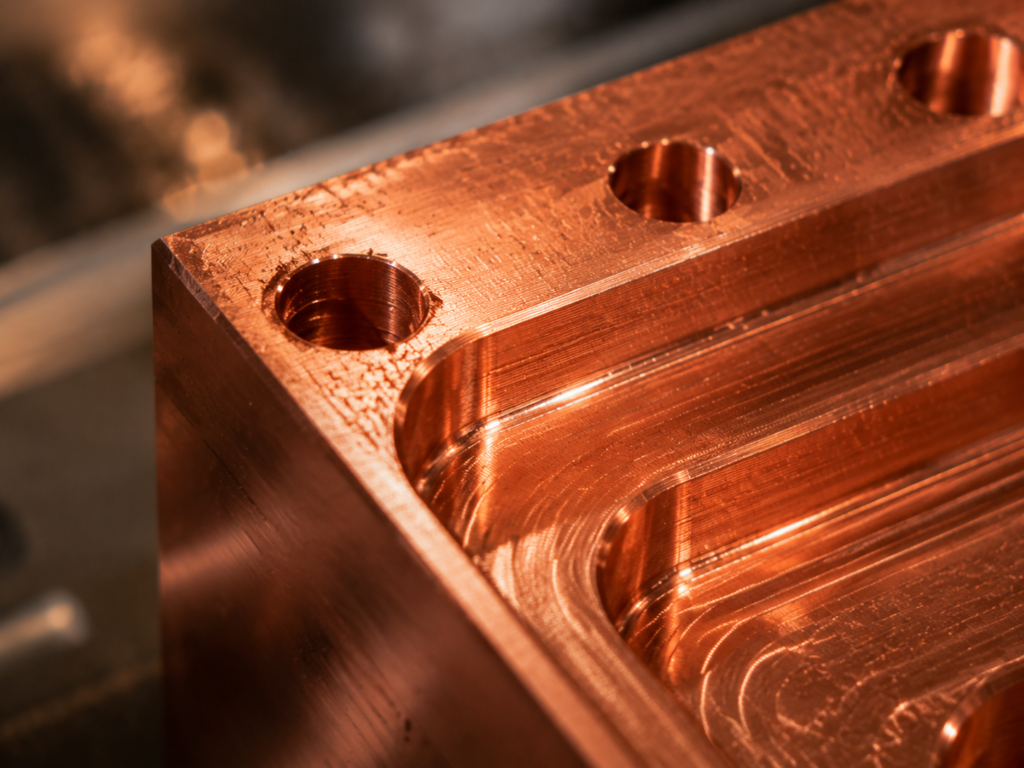
Stainless steel is well-suited for a wide array of CNC machining projects, due to its excellent machinability and outstanding uniformity. It also has good workability and weldability to match your specific machining needs, as well as high ductility and formability to meet the specification requirements of any project.
Steel Alloy
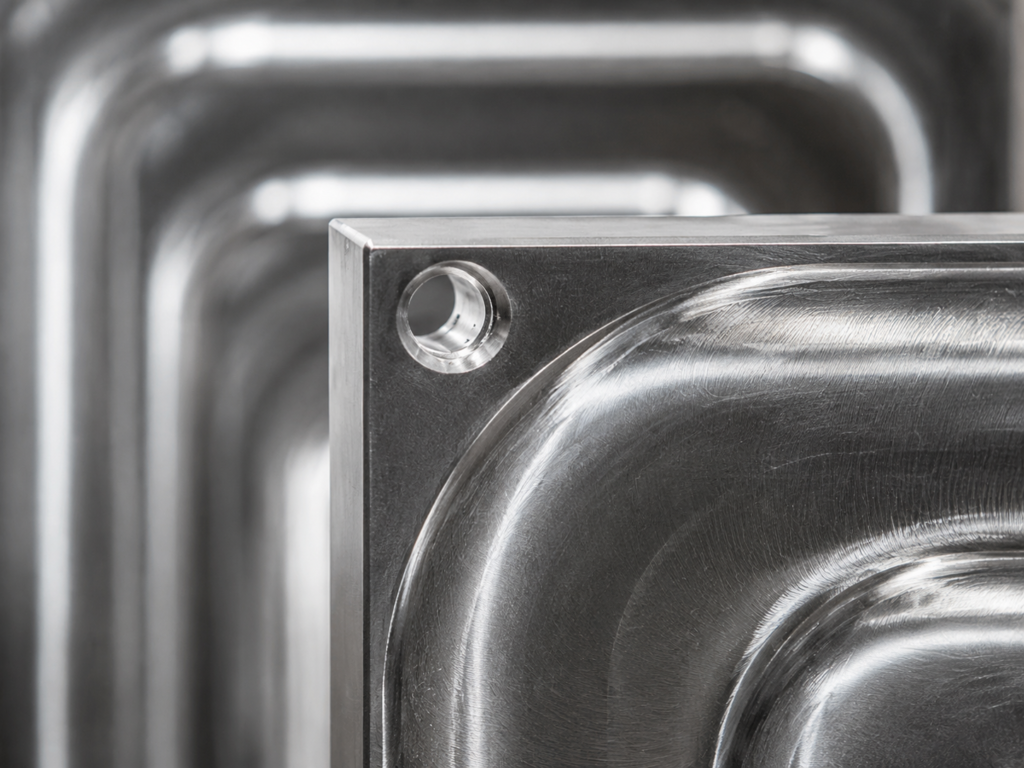
Steel Alloy 4140 is a low alloy steel containing chromium, molybdenum, and manganese. It is widely used across numerous industries and is an excellent material choice for machining due to its toughness, high fatigue strength, and abrasion and impact resistance.
Steel Mild Low Carbon
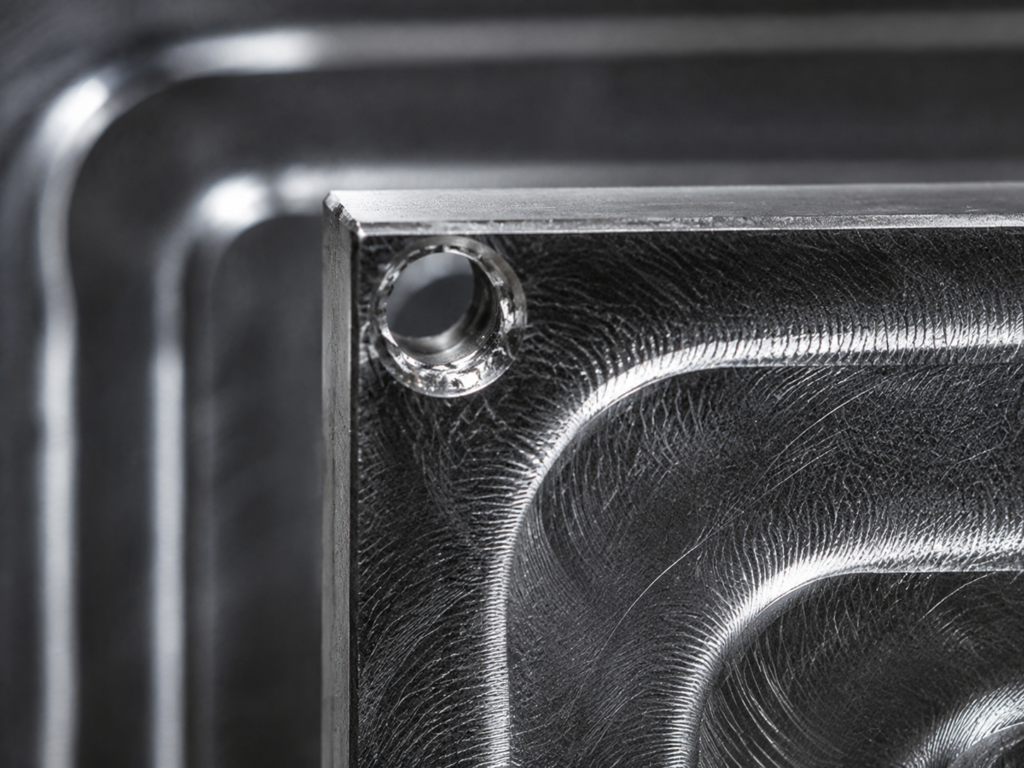
Low carbon steel, also known as mild steel, contains up to 0.30% carbon. This gives the material low strength while making it more malleable and ductile compared to high carbon steels.
Titanium
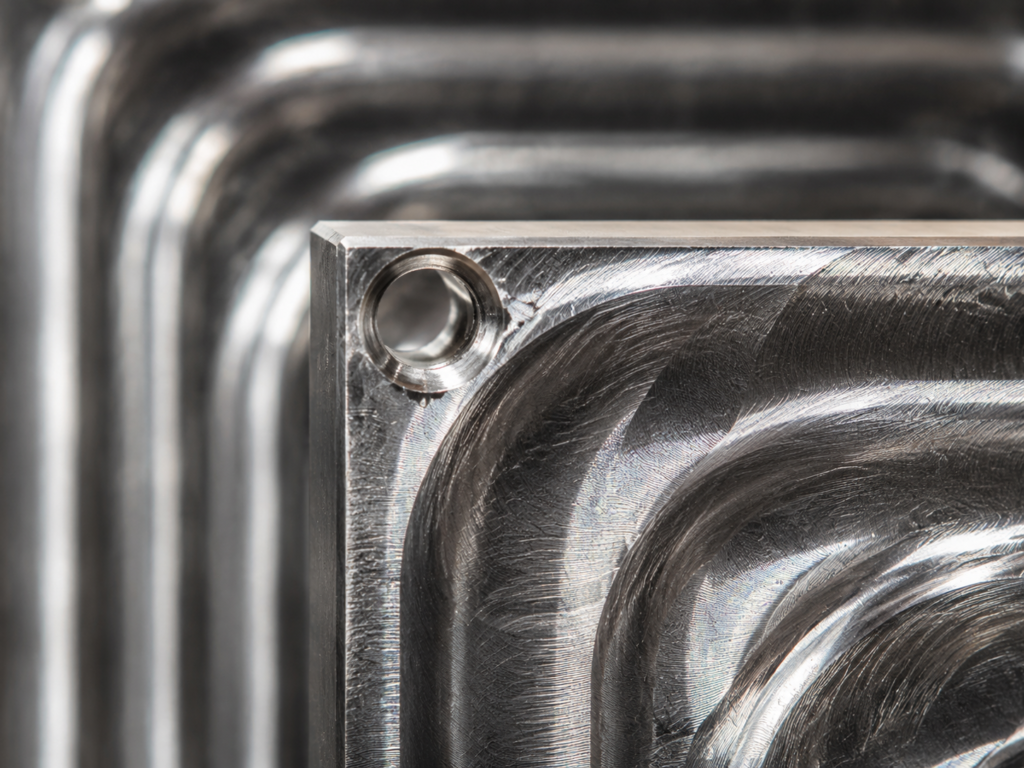
Titanium is a popular material for CNC machining due to its excellent strength-to-weight ratio, corrosion resistance, and biocompatibility. However, titanium presents unique challenges in machining due to its high strength, low thermal conductivity, and tendency to work harden during cutting.
ABS (Acrylonitrile Butadiene Styrene)
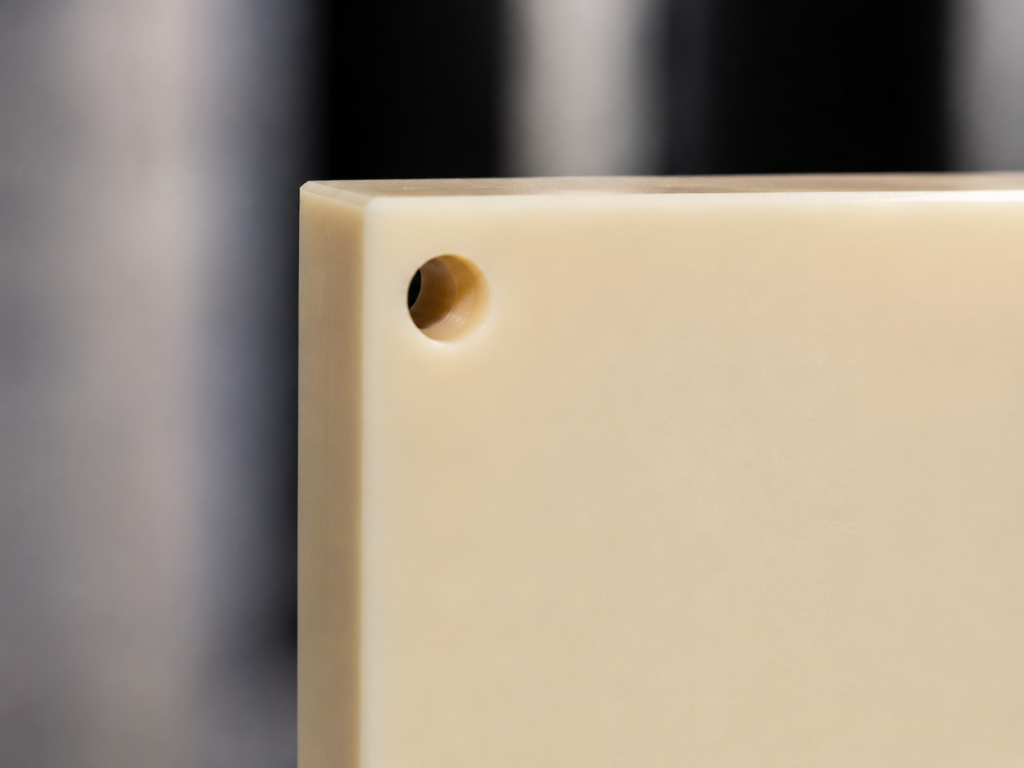
ABS is a widely used thermoplastic known for its excellent balance of strength, impact resistance, and machinability. It performs well in CNC machining processes, offering stable dimensions and smooth surface finishing, which makes it ideal for both prototyping and functional components.
Thanks to its good toughness and affordability, ABS is commonly used in automotive parts, electronic housings, and industrial prototypes. It also responds well to post-processing such as painting, bonding, and surface finishing, making it a versatile choice for a wide range of engineering applications.
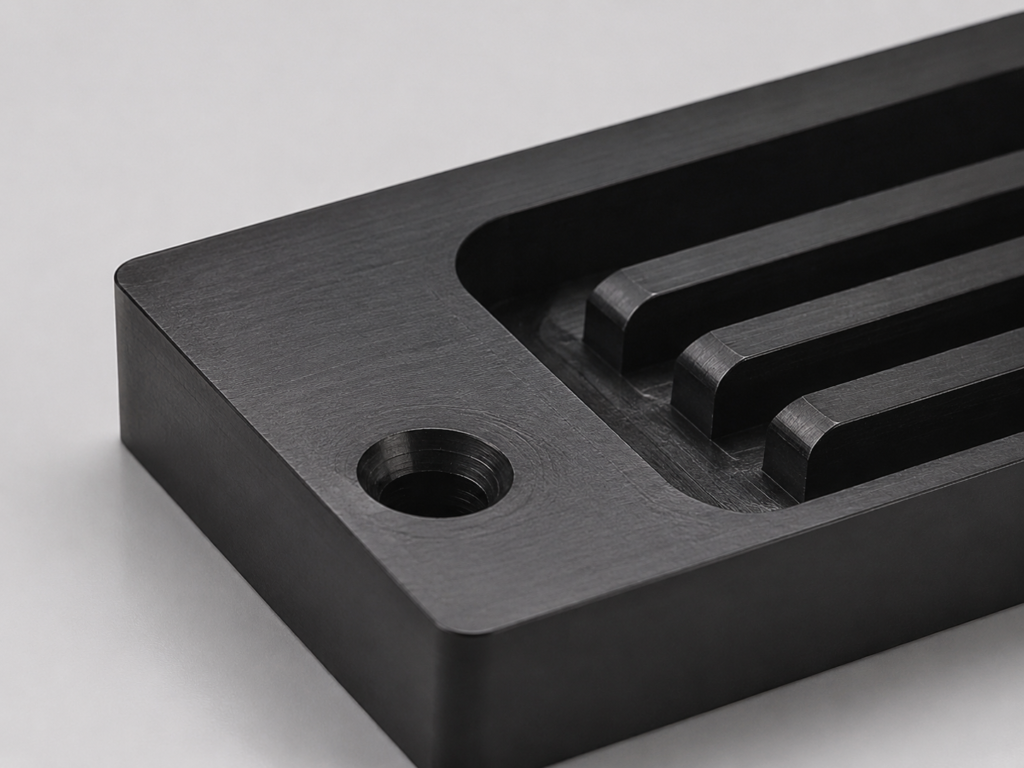
Acetal (POM)
Acetal, also known as POM, is a high-performance engineering plastic valued for its low friction, high stiffness, and excellent dimensional stability. It is particularly suitable for precision CNC machining where tight tolerances are required.
This material is widely used in gears, bearings, and mechanical components that require wear resistance and smooth operation. Acetal also performs well in wet and dry environments, making it a reliable choice for automotive and industrial applications.
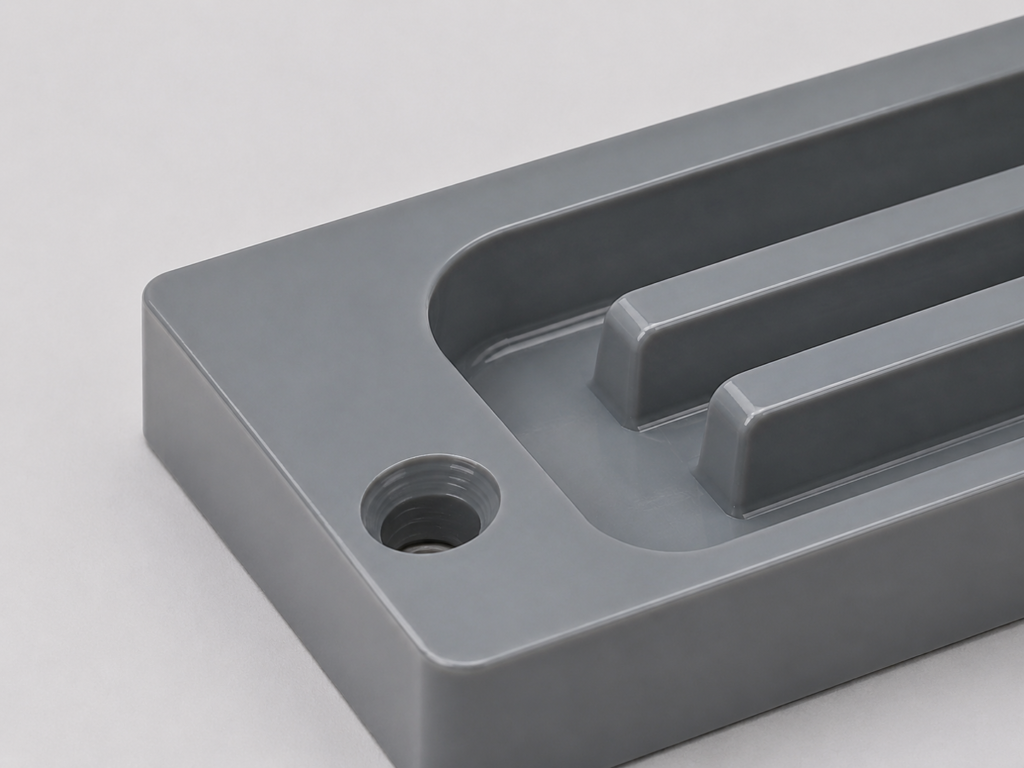
CPVC (Chlorinated Polyvinyl Chloride)
CPVC is a thermoplastic material with enhanced heat resistance and chemical stability compared to standard PVC. It is easy to machine and provides good dimensional stability, making it suitable for industrial CNC applications.
It is commonly used in fluid handling systems, chemical processing equipment, and corrosion-resistant components. CPVC maintains performance under elevated temperatures, making it a dependable material for demanding environments.
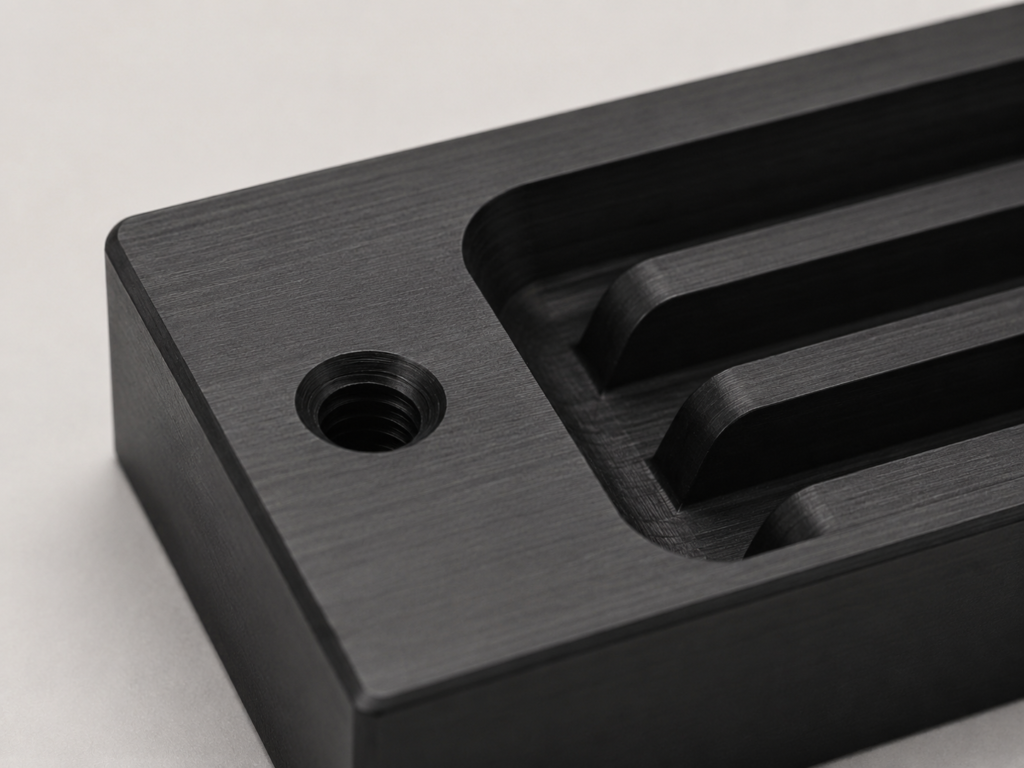
Delrin
Delrin is a premium grade of acetal (POM) known for its superior strength, stiffness, and excellent fatigue resistance. It offers exceptional machinability, making it a top choice for precision CNC machining projects.
It is widely used in high-performance mechanical parts such as gears, bushings, and conveyor system components. Delrin’s low friction and high wear resistance ensure long service life even in demanding applications.
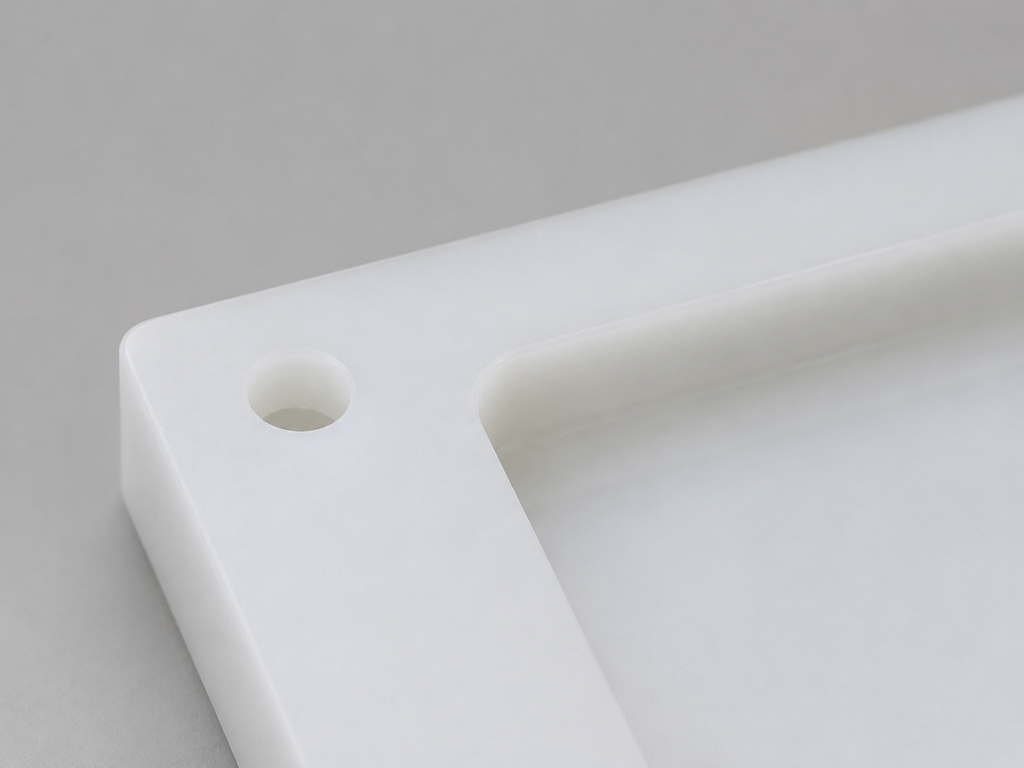
HDPE (High-Density Polyethylene)
HDPE is a lightweight thermoplastic with excellent impact resistance and chemical durability. It is easy to machine and performs well in applications requiring moisture resistance and toughness.
It is commonly used in cutting boards, fluid containers, and industrial components exposed to harsh chemicals. Its low friction surface and excellent corrosion resistance make it ideal for food-grade and industrial environments.
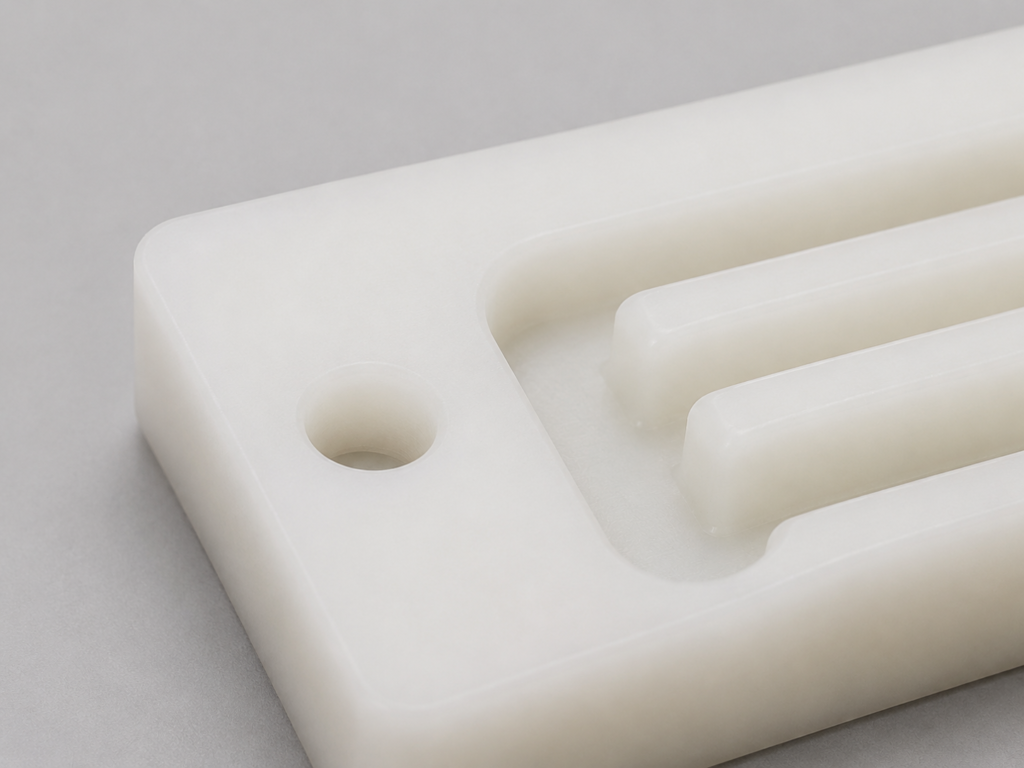
Nylon (PA)Nylon (PA)
Nylon is a strong engineering plastic known for its excellent wear resistance, toughness, and load-bearing capability. It machines well but requires controlled conditions due to its moisture absorption characteristics.
It is widely used in gears, rollers, bushings, and structural components. Nylon performs exceptionally well in dynamic and high-stress environments, making it a reliable material for industrial and mechanical applications.
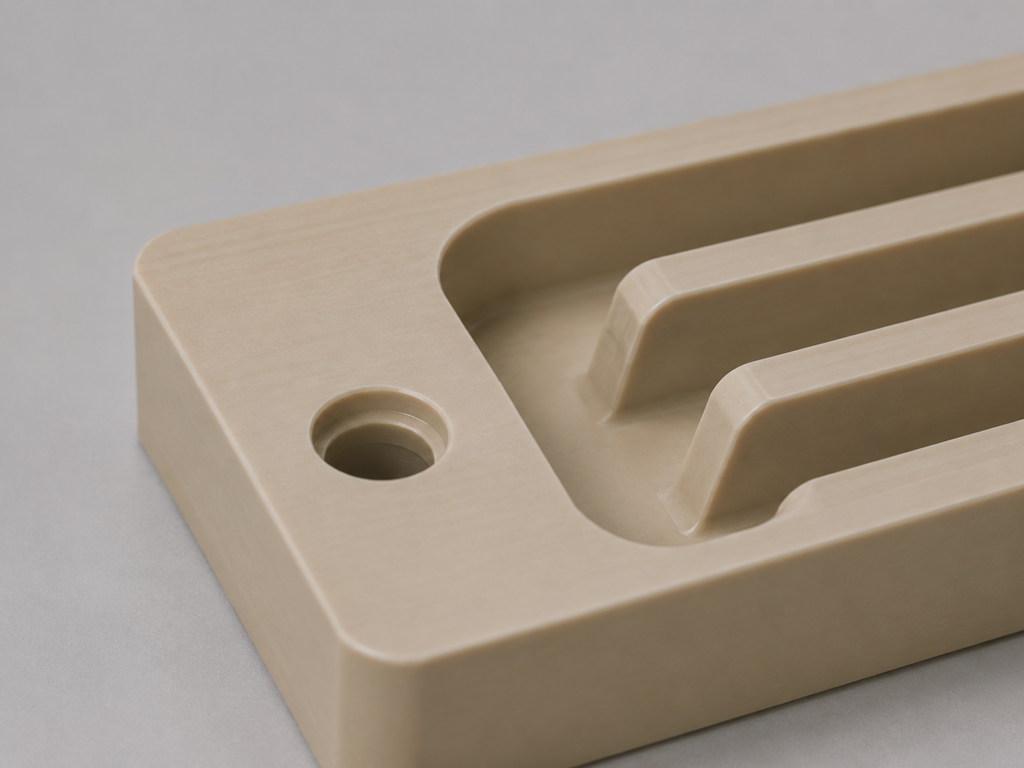
PEEK (Polyether Ether Ketone)
PEEK is a high-performance engineering plastic with outstanding mechanical strength, thermal stability, and chemical resistance. It is suitable for precision CNC machining in highly demanding industries.
It is commonly used in aerospace, medical, and semiconductor applications where extreme conditions are present. PEEK maintains its properties at high temperatures and offers excellent long-term reliability.
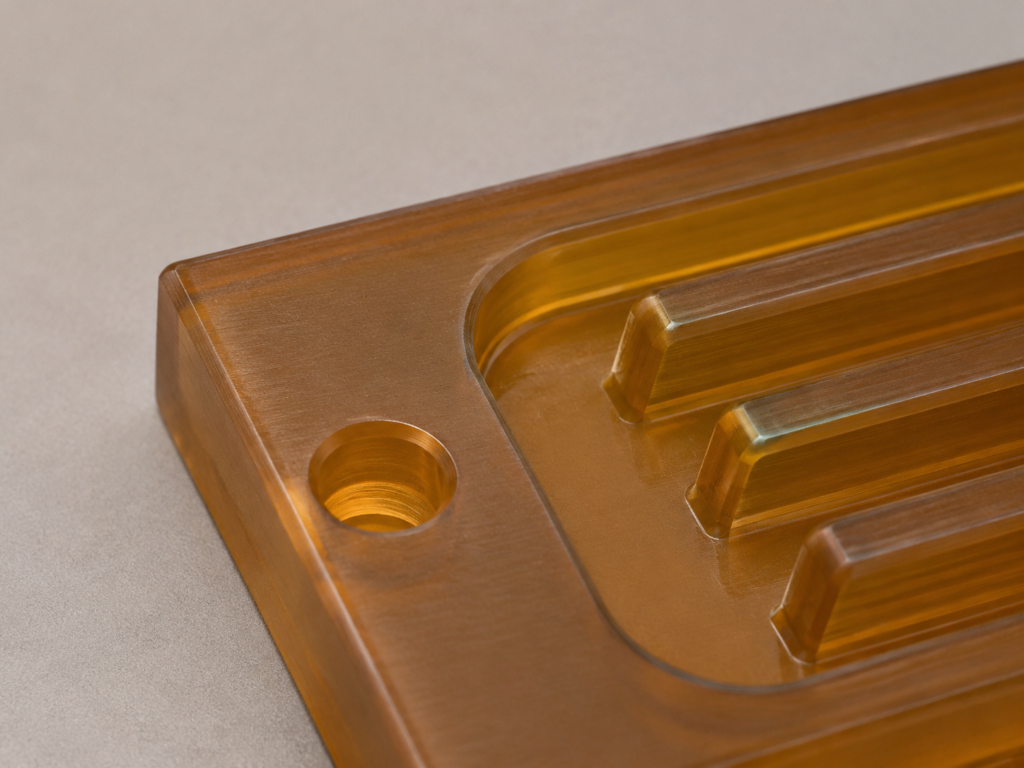
PEI (Polyetherimide / Ultem)
PEI, commonly known as Ultem, is a high-performance thermoplastic with excellent strength, heat resistance, and electrical insulation properties. It is ideal for precision CNC machining of complex parts.
It is widely used in aerospace, electronics, and automotive industries due to its flame resistance and dimensional stability. PEI is a preferred choice for applications requiring high performance under thermal stress.
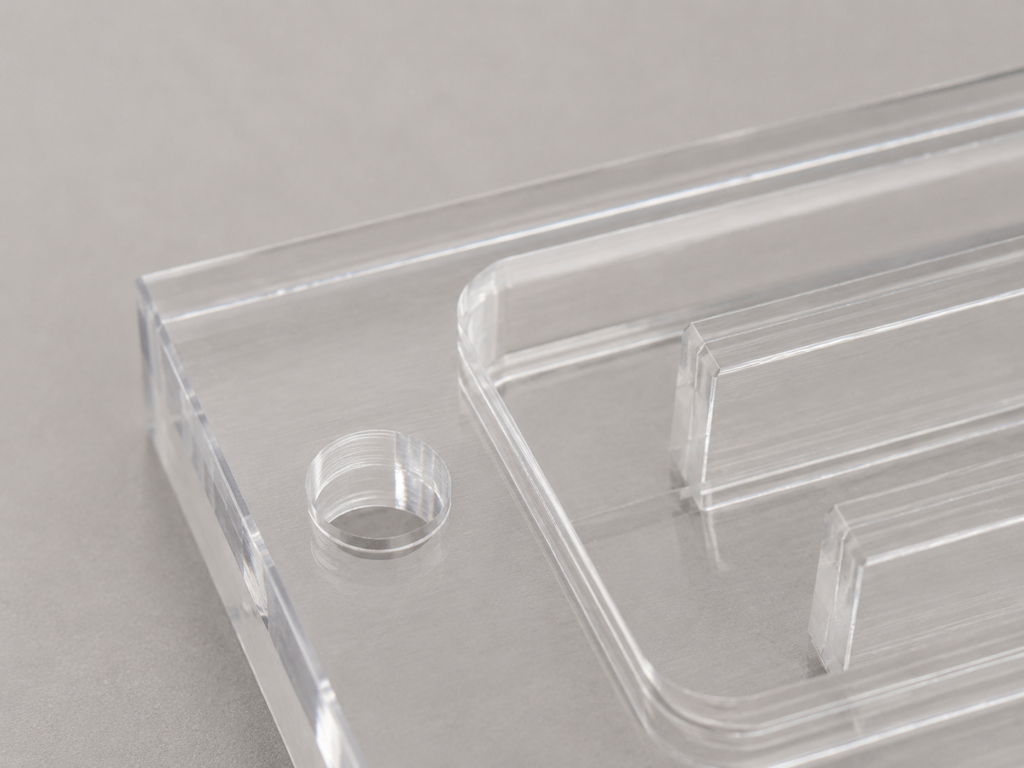
PET (Polyethylene Terephthalate)
PET is a strong, dimensionally stable thermoplastic with good wear resistance and low moisture absorption. It is easy to machine and maintains tight tolerances during CNC processing.
It is commonly used in electrical components, mechanical parts, and food-contact applications. PET offers a good balance of strength, stiffness, and machinability, making it suitable for industrial use.
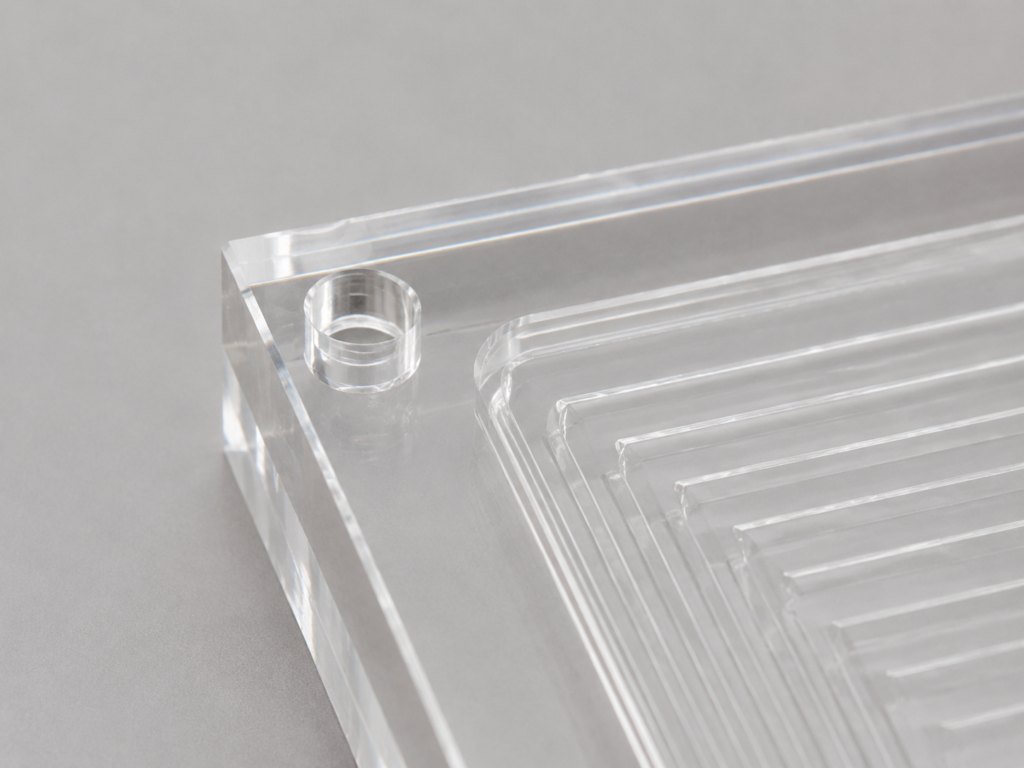
PMMA (Acrylic)
PMMA, also known as acrylic, is a transparent thermoplastic with excellent optical clarity and good weather resistance. It machines well and can achieve a polished, glass-like finish.
It is widely used in display panels, light covers, signage, and optical components. PMMA is an ideal choice when aesthetics and transparency are important in CNC-machined parts.
CNC Machining Services for Custom Parts
Our advanced CNC milling and turning equipment delivers high-precision machining with tolerances as tight as 0.001 inches. In addition to standard machining, we offer value-added services including CNC routing, EDM machining, and precision grinding to support complex and custom component requirements.
With well-equipped machine shops and experienced engineering support, Junvor is capable of handling both simple and highly complex projects. We ensure consistent quality, reliable performance, and fast turnaround to help designers and product developers bring innovative ideas into reality.
CNC Milling
CNC milling produces complex shapes, flat surfaces, and precision features for industrial parts. It ensures high accuracy, smooth finishes, and stable quality for custom metal and plastic components.
CNC Turning
CNC turning is ideal for producing cylindrical and symmetrical parts with high precision. It offers excellent surface finish, tight tolerances, and efficient production for industrial applications.
3 Axis CNC Machining
3-axis CNC machining provides a cost-effective solution for producing precision parts with reliable accuracy. It is widely used for standard components requiring stable quality and efficient production.
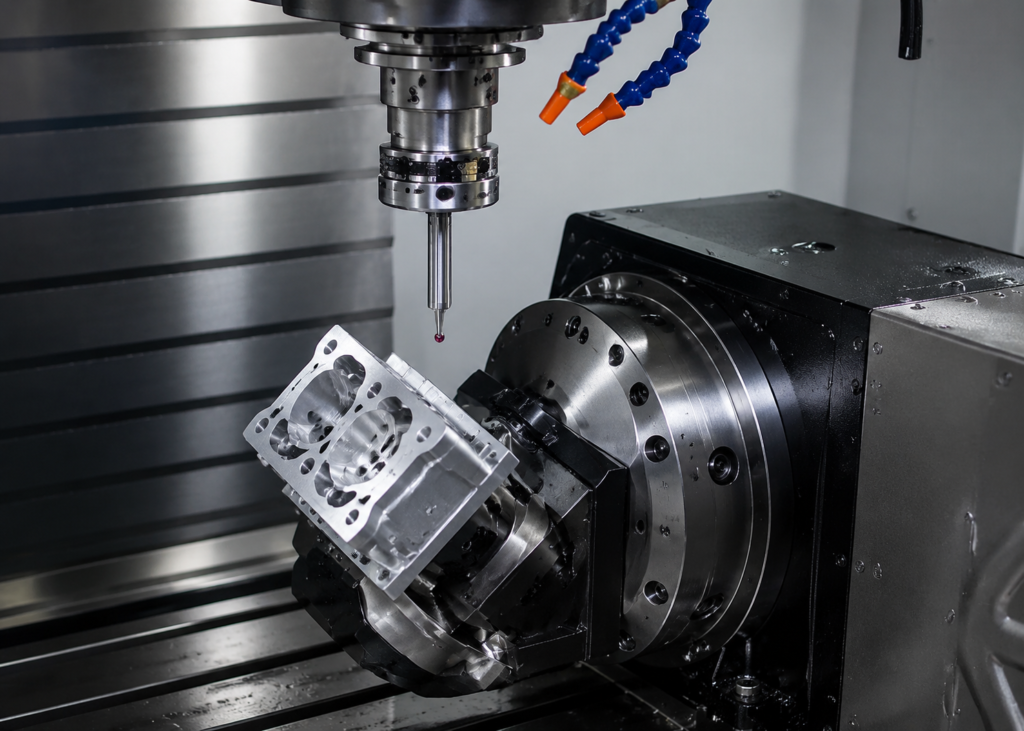
4 Axis CNC Machining
4-axis CNC machining enables rotation during cutting, allowing more complex geometries in a single setup. It improves precision, efficiency, and consistency for custom industrial parts.
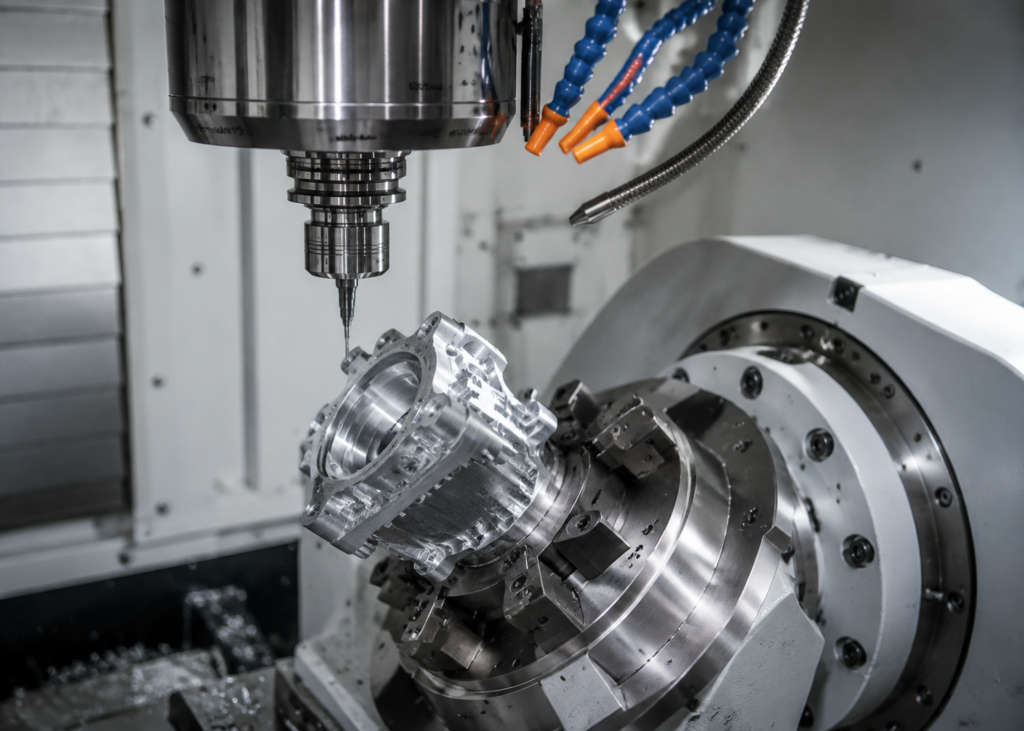
5-Axis CNC Machining
5-axis CNC machining processes complex parts in one setup with multiple surface access. It reduces repositioning, improves accuracy, and increases efficiency for advanced manufacturing needs.
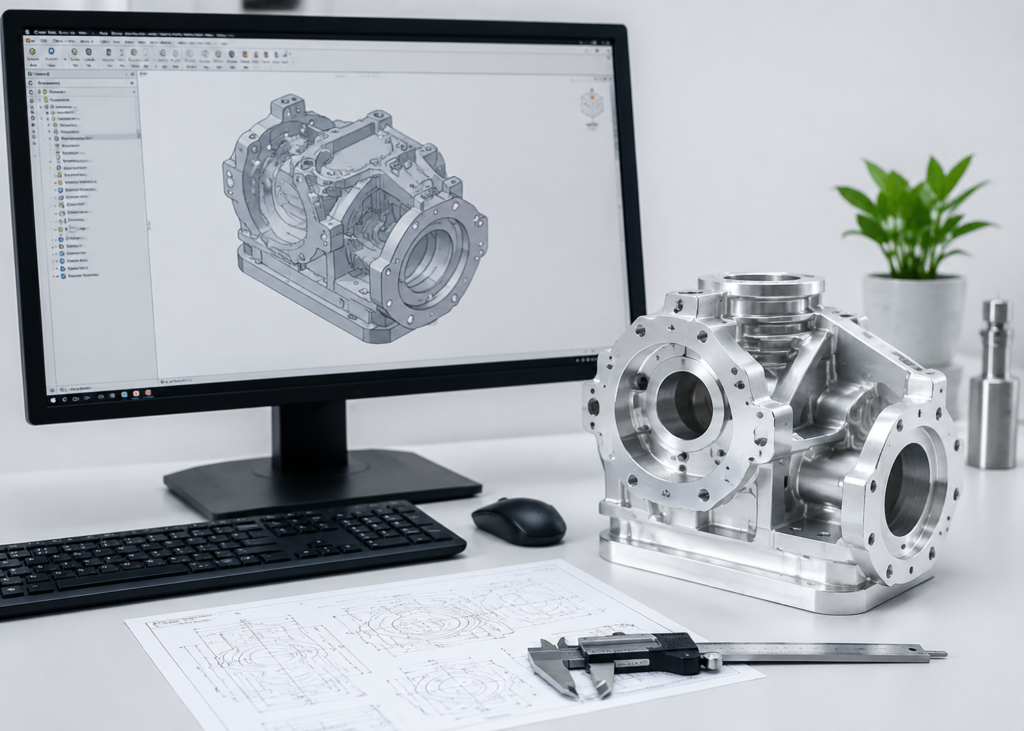
CNC Prototypes
CNC prototyping allows fast visualization and testing of product designs before mass production. It helps verify function, structure, and manufacturability with high accuracy and fast turnaround.
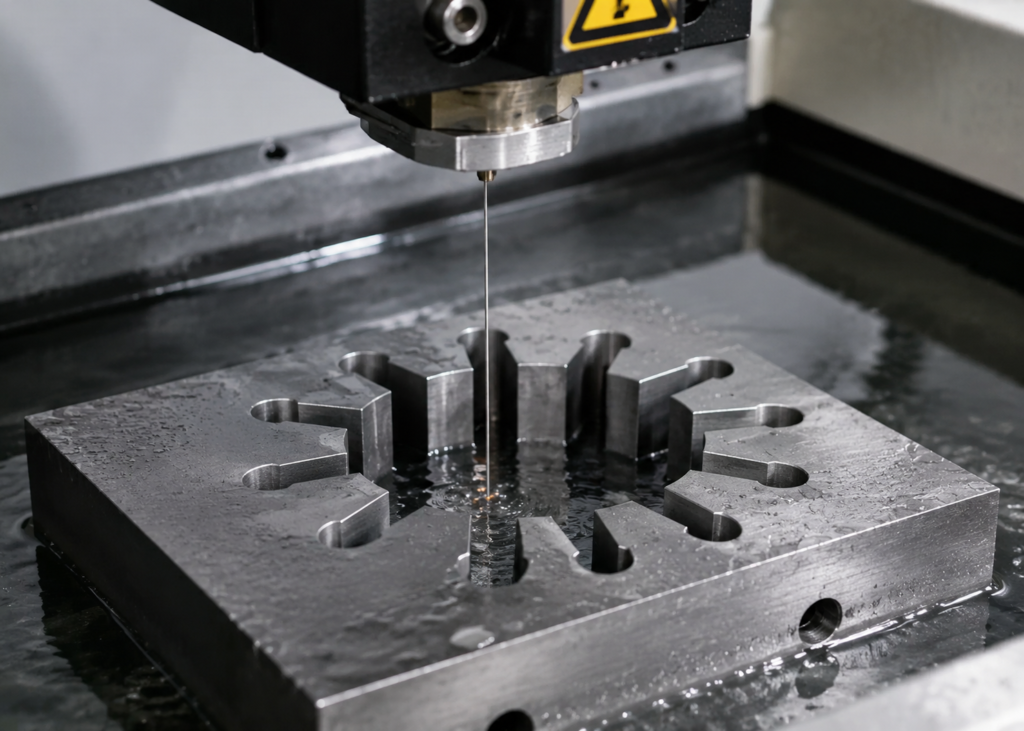
Wire EDM Machining
Wire EDM machining enables high-precision cutting of complex shapes and tight tolerances. It is ideal for hard materials and intricate components requiring excellent accuracy and surface finish.
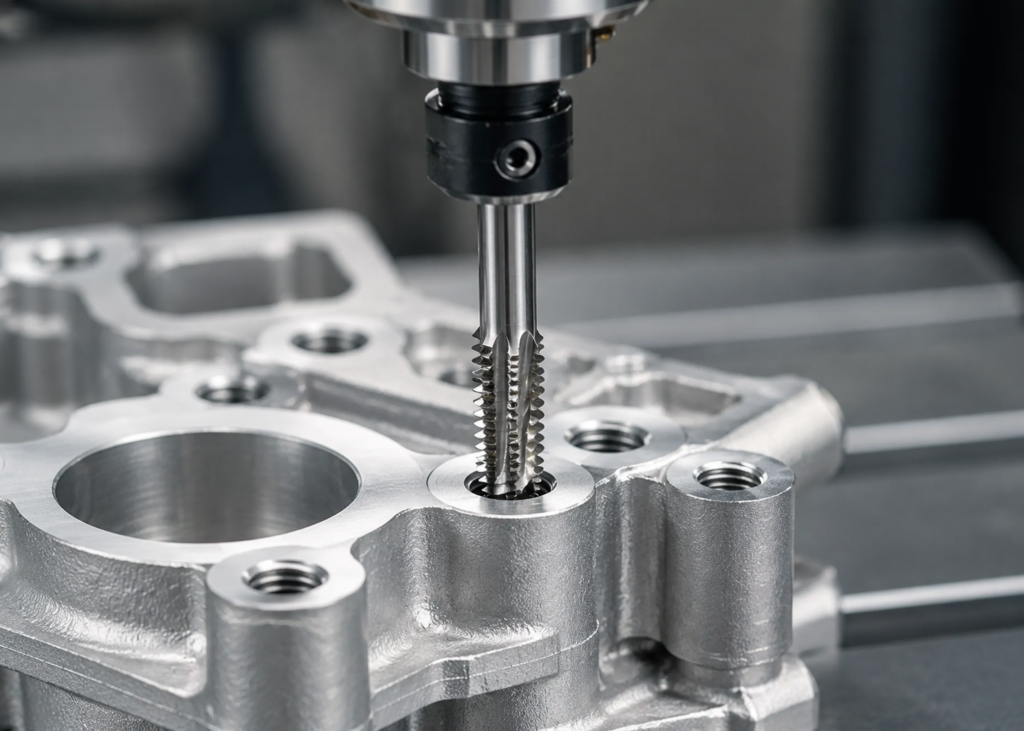
CNC Tapping
CNC tapping creates precise threaded holes for screws, fasteners, and assembly parts. It ensures accurate thread quality, strong fastening performance, and consistent results in mass production.
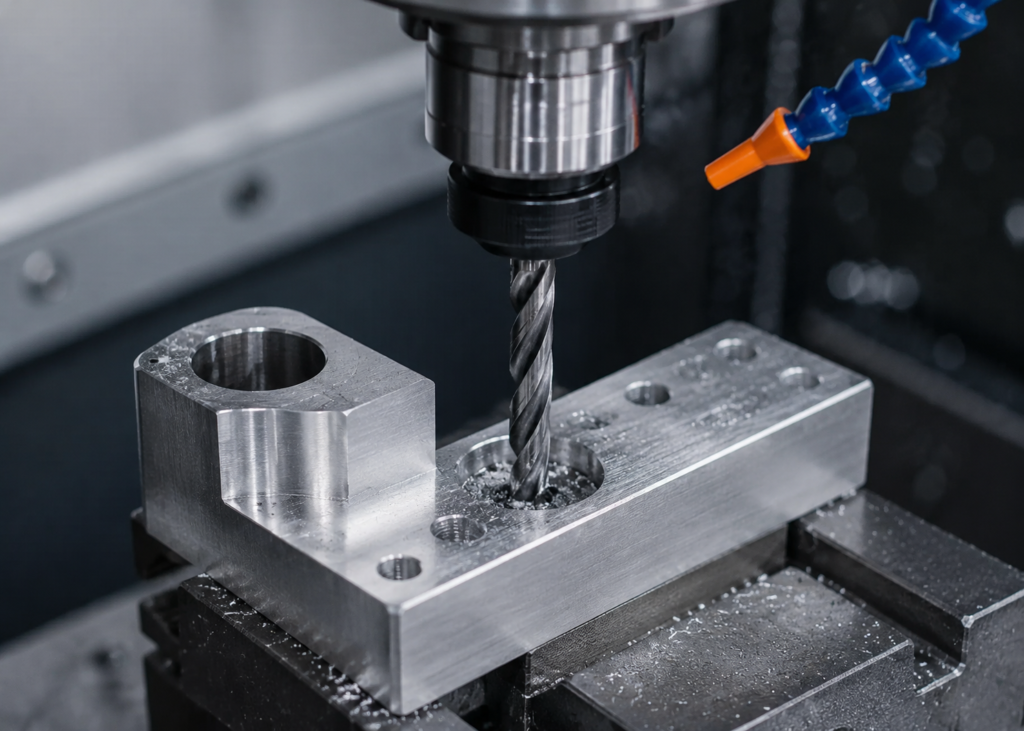
CNC Drilling
CNC drilling provides accurate hole positioning, diameter, and depth for custom components. It is widely used in industrial parts requiring high precision and stable machining quality.
Ready to Get a CNC Machining Online Quote?
Upload a 3D CAD file of your machined part and we’ll send you a manufacturing analysis report and interactive quote within hours. Modify materials and quantities in the quote and see the price update in real time.
Factory vs. Network
Junvor offers flexible manufacturing solutions through a combination of in-house production capabilities and a reliable manufacturing network. This hybrid model allows us to select the most efficient production path based on project requirements, ensuring fast turnaround for urgent orders while also supporting complex and specialized manufacturing needs with scalable capacity and consistent quality control.
Hard metals: min width 0.033 in / depth 0.0118 in
Surface Finish and Post-Processing Options
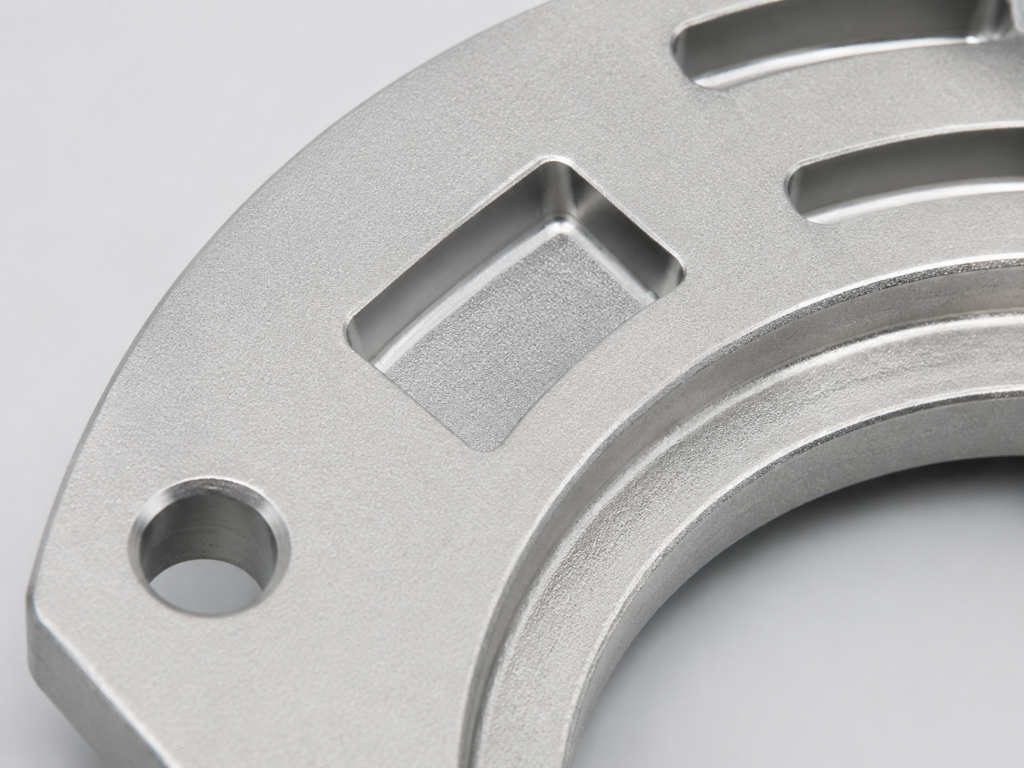
Surface Finish Options
Junvor offers a range of surface finishing options designed to balance functionality, durability, and aesthetic requirements. Depending on the application, parts can be delivered with different levels of finishing, from basic machining marks to enhanced surface treatment for improved appearance and usability.
Our standard finishing options include edges broken with visible tool marks, edges broken with light bead blasting for a smoother surface texture, and sharp-edge finishing where machining marks remain visible. Each option is selected based on performance needs, cost requirements, and final product application.
Coating and Plating Options
Junvor provides a variety of surface coating and plating solutions designed to enhance corrosion resistance, improve surface durability, and meet both functional and aesthetic requirements across different applications.
Our available finishing options include anodizing for aluminum protection and color enhancement, chromate coating for corrosion resistance and conductivity preservation, powder coating for durable surface finishing, zinc coating for improved anti-corrosion performance, and nickel plating for enhanced wear resistance and surface hardness.
Is Your Machining Partner Reliable?
Finding a reliable CNC machining manufacturer is more than just selecting a supplier—it’s about choosing a partner you can truly depend on. We understand how frustrating it can be when parts are delayed, out of specification, or inconsistent in quality, which can directly impact your project timeline and production efficiency.
At Junvor, we provide professional CNC machining services for engineers, product developers, designers, and industrial clients through our in-house manufacturing facility. Our AS9100D and ISO-certified machine shop is equipped to handle both simple and highly complex custom designs with precision and consistency.
We offer flexible solutions including rapid machining, low-volume production, and high-volume manufacturing for both metal and plastic parts. From CAD file review to quotation, lead time estimation, and DFM feedback, our engineering team supports you throughout the entire process to ensure manufacturability, quality, and cost efficiency.
To further ensure reliability, we also provide inspection services, material traceability, certification (CoC), and strict quality control procedures. With responsive technical support and stable production capability, Junvor ensures your CNC machined parts are delivered accurately and on time, every time.
Why Choose Us for Custom CNC Machining?
CNC Machining FAQs
How does CNC machining work?
CNC machining uses subtractive processes, which means feedstock is machined to its final form by subtracting and removing material. Holes are drilled, lots and pathways are bored, and metal stock is shaped into new material with varying tapers, diameters, and shapes.
For subtractive manufacturing, shapes are achieved by the subtraction of material. This contrasts with other types such as additive manufacturing — where materials are added, layered, and deformed to a specified shape. It also contrasts with injection molding where the material is injected in a different state of matter, using a mold, and formed to a specified shape.
CNC machining is versatile — and can be used with various materials, including metals, plastics, wood, glass, foam, and other composite materials. This versatility has helped make CNC machining a popular choice across industries, enabling designers and engineers to fabricate products efficiently and precisely.
How does CNC machining differ from traditional machining?
In traditional machining, a skilled machinist operates a machine, removing or forming metal. This is done according to specifications provided by designers and engineers, usually through an engineering drawing or blueprint. They use turn wheels, dials, switches, chucks, vices, and a variety of cutting tools made of hardened steel, carbide, and industrial diamond, then use measurement instruments to ensure all of the dimensions are correct.
CNC machining performs the same function as traditional machining — metal cutting, drilling, milling, boring, grinding, and other metal forming and removal functions — but CNC machines use computer numerical control rather than manual control by a machinist. It is automated, driven by code, and developed by programmers. It is about as precise the first time of cutting as the 500th. Widely used in digital manufacturing (and sometimes in low-volume production runs), it can be revised and altered for modifications and different materials.
This type of machining is much more precise and has superseded traditional machining (though not entirely) in manufacturing, fabrication, and industrial production. It uses mathematical coordinates and computing power to achieve the same end with the greatest accuracy. Specifically, computer numerical control uses Cartesian coordinates. These are spatial coordinates — in several dimensions — using coordinates and axes. The automation of cutting tool machines controls its cutting, boring, drilling, or other operation using the numerical control of a computer that reads the coordinates. These coordinates were designated by engineers in the product’s digital drawing and design.
What industries use CNC machining?What industries use CNC machining?
CNC machining is widely used across industries. It is common in aerospace, automotive, consumer electronics, robotics, agriculture, and other fields that frequently use metal parts. It is also widely used in medical devices, household goods, energy, oil and gas, and other consumer applications. It is one of the most common manufacturing processes in the world.
What is the history of CNC machining?
During World War II, the United States was quickly churning out ships, aircraft, and vehicles for the military. And even once the war ended, production kept up as the country experienced a post-war boom in home construction, infrastructure expansion, and transportation. Naturally, engineers and designers needed tools to help them efficiently meet the growing demand for industrial products.
Enter CNC machining. John T. Parsons, who worked in the production of helicopter rotor blades, was one of the first people to champion CNC machining. He and his colleagues at Wright-Patterson Air Force Base in Dayton, Ohio used interpolation curves, which could be applied to machining with computational methods, to achieve the complex tapers required for rotor blades. As Parsons’ company got called upon to make more and more complex aircraft parts, they turned to computational methods and cnc machined parts to achieve their desired shapes.
This was partly the genesis of CNC machining. Building off of Parsons’ innovations, MIT’s Servomechanisms Laboratory later developed a working machine able to use computational methods to fabricate precise machine parts. Their servo-mechanisms were able to use the Cartesian coordinates — the numerical control — to steer the machine and its moving parts, to fabricate with automated precision. Such automation only grew more sophisticated through the rest of the twentieth century and continues to develop today.
How much does CNC machining cost?
CNC machining is a very effective solution for limited runs and lower quantity parts. Price depends on the material chosen, complexity, quantity, and required lead time. Prices for geometry manufacturable by CNC versus 3D printing are relatively comparable, but typically machining offers improved material properties and surfaces. The best way to find your exact price is to submit a 3D CAD model and get an interactive quote with design for manufacturability (DFM) feedback. The automated and semi-automated manufacturing sites are best suited for high mix, lower quantity solutions. Pricing for higher volume part quantities are best quoted through our Protolabs Network.
What types of threading options are available?
At all our fulfillment locations, we offer UNF, UNC, and metric threads. Our automated factory can machine parts for coil and key inserts without supplying or installing them. In our semi-automated factory and Protolabs Network, we provide the same threading options, plus SM1, SM2, and SM3 lens threads. We can also install hardware like standard coil inserts, key inserts, and heli-coils at these locations.
What is the maximum part size for CNC machining?
Maximum part size will vary based on your selected material. Our largest part size offered is 22 in. x 14 in. x 3.75 in. (559mm x 356mm x 95.25mm) and is available in Aluminum 6061 and 7075.
Where can I learn more about CNC design?
We have a variety of resources on CNC machining and how to design parts for the process
Our Precision CNC Manufacturing Process