How we helped an industrial equipment manufacturer improve production efficiency, reduce manufacturing costs, and achieve consistent part quality through advanced CNC machining solutions.
Project Overview
| Project Overview | |
|---|---|
| Industry | Railway Equipment / Locomotive Components |
| Customer Location | United States |
| Customer Background | The customer is the founder of a railway-related company, specializing in locomotive components. The company mainly develops and supplies custom railway parts with professional application knowledge. |
| Product | Pneumatic Bell Motor for Locomotive |
| Application | The component is used as a pneumatic bell motor system part for locomotives, requiring reliable mechanical performance, accurate dimensions, and stable operation in railway applications. |
| Material & Process | Stainless Steel with CNC Turning Process. The customer required integrated machining to achieve consistent dimensions and stable production quality. |
| Customer Requirement | The customer required 5 prototype samples for testing, followed by an initial production order of 250 pcs and potential repeat orders. The main focus was achieving the required surface finish and product performance. |
| Project Stage | Prototype Development → Sample Testing → Batch Production |
Customer Background
The customer is the founder of a railway equipment company based in the United States, focusing on custom components for locomotive applications. The company mainly works on specialized railway parts, where product reliability, manufacturing accuracy, and long-term performance are critical requirements.
With professional experience in railway-related products and custom manufacturing projects, the customer had a clear understanding of the application requirements and production expectations. The project involved a pneumatic bell motor for locomotives, which required precise machining and stable quality for actual railway use.
The customer was looking for a reliable manufacturing partner who could support both prototype development and future production. Instead of only focusing on machining capability, the customer needed a supplier who could understand the technical requirements, evaluate manufacturing details, and provide practical solutions during the development process.
Customer Requirements
The customer required 5 prototype samples for initial testing and validation. After confirming the sample performance, the customer planned to proceed with an initial production order of 250 pcs, with potential repeat orders in the future. The samples were mainly used to verify product quality, dimensions, and application performance before moving into batch production.
For the manufacturing process, the customer required one-piece CNC turning machining to ensure stable quality and accurate dimensions. The customer was looking for a reliable manufacturing partner who could provide consistent production capability and support both prototype development and future repeat orders.
Customer Challenges & Key Concerns

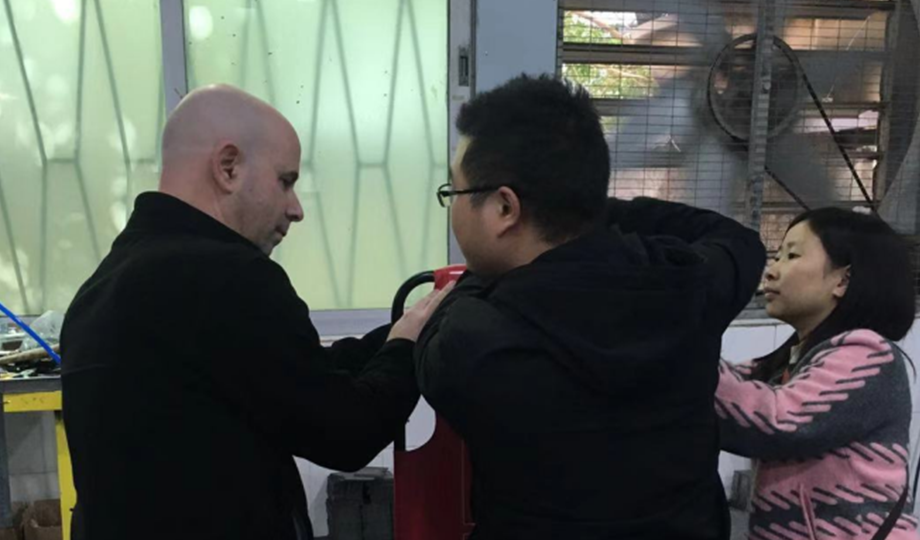
The customer only provided a 3D model during the initial quotation stage, and the most critical surface finish requirement (Ra0.1 on the internal surface) was not clearly highlighted. Since Ra0.1 is close to a mirror polishing requirement, this special process requirement was not included in the original quotation.
Later, the customer sent a physical sample for reference, but did not clearly explain the purpose of the sample. We initially considered it as a general reference sample rather than a validation standard with specific surface finish requirements. This created uncertainty about the actual manufacturing expectations and required further communication to confirm the key technical requirements.
The customer’s main concern was whether the internal surface roughness requirement could be achieved while keeping the production cost reasonable. Since Ra0.1 would significantly increase polishing costs, the customer needed a solution that could balance surface performance, product function, and overall manufacturing cost.
Material & Manufacturing Requirements
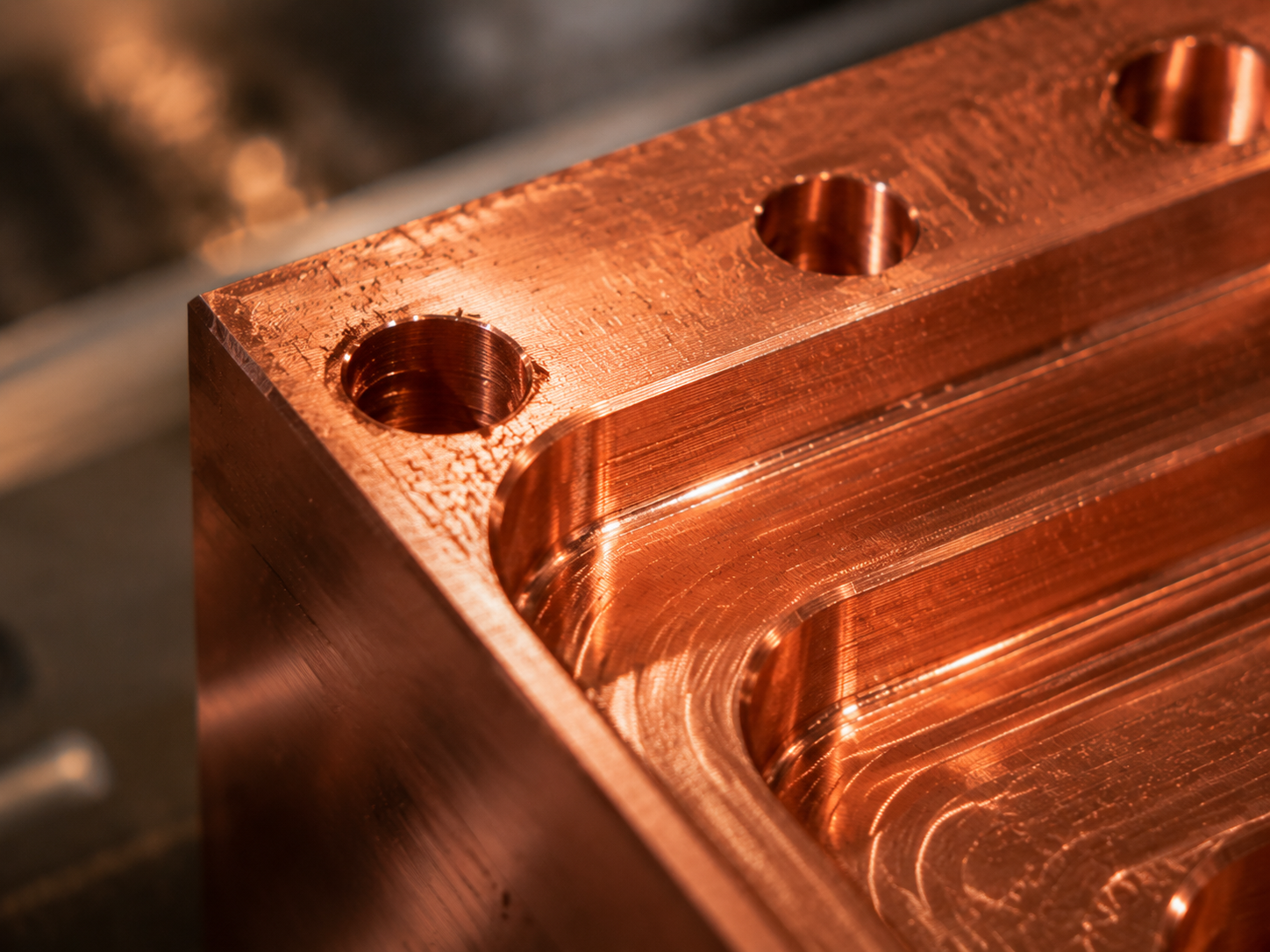
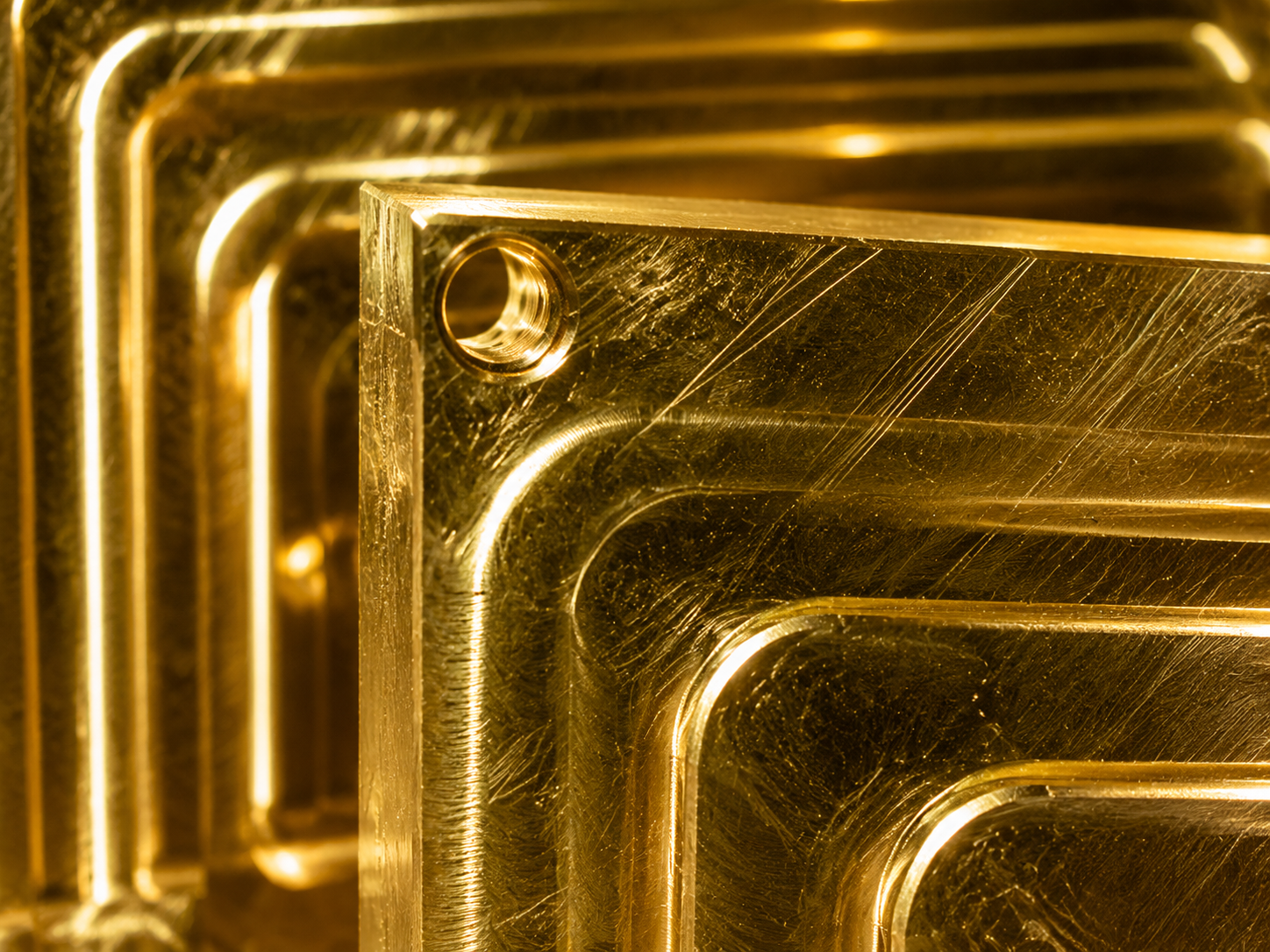
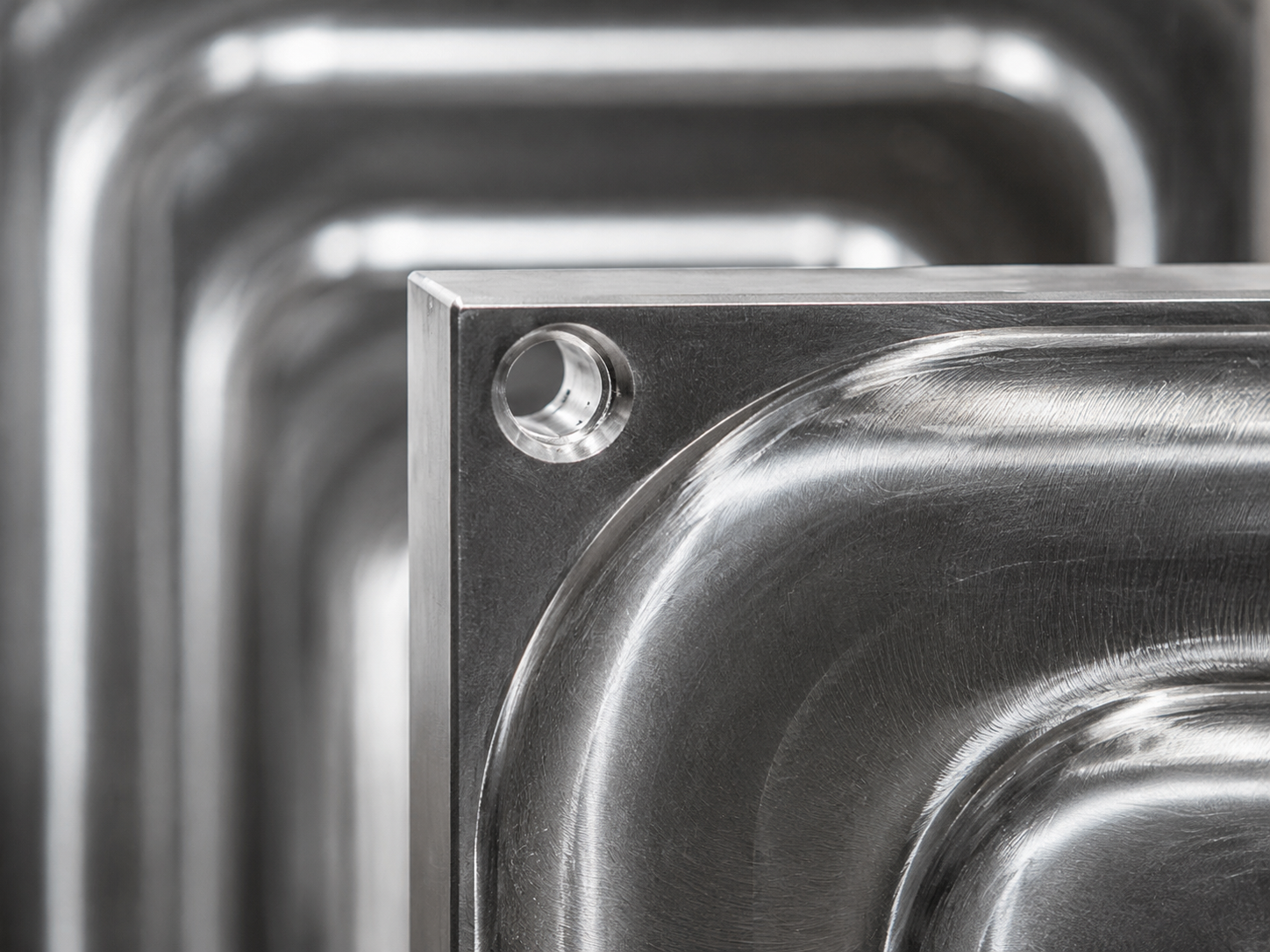
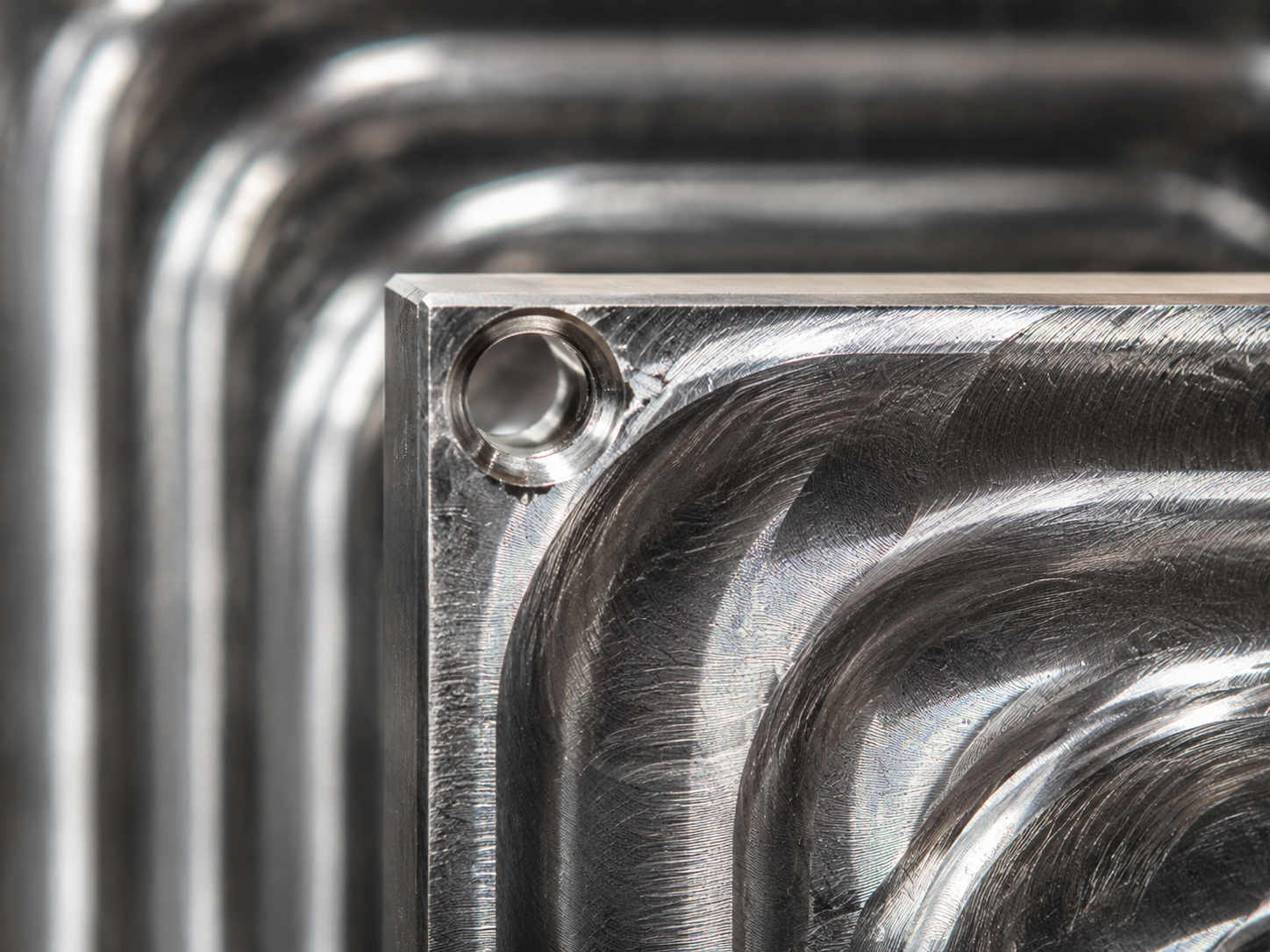
The customer required stainless steel as the material for the pneumatic bell motor component to ensure good strength, corrosion resistance, and long-term reliability in locomotive applications. The material needed to provide stable performance under continuous operating conditions.
For the manufacturing process, the customer required CNC turning machining with an integrated one-piece machining process. This approach was selected to achieve accurate dimensions, consistent quality, and reliable production performance for both prototype samples and future batch orders.
Production Quantity & Delivery Requirements
| Item | Details |
|---|---|
| Prototype Quantity | The customer required 5 prototype samples for initial testing and validation to confirm product dimensions, quality, and application performance. |
| Mass Production Quantity | After sample approval, the customer planned an initial production order of 250 pcs, with potential repeat orders for future supply. |
| Delivery Requirement | The customer did not have a strict delivery deadline. The priority was ensuring machining accuracy, stable quality, and reliable product performance before shipment. |
| Project Goal | To complete prototype verification successfully and establish a reliable manufacturing solution for future batch production. |
Production Quantity & Delivery Requirements
The customer initially required 5 prototype samples for product testing and validation. The samples were used to verify the machining quality, dimensional accuracy, and overall performance of the pneumatic bell motor component before moving forward with mass production.
After successful sample approval, the customer planned an initial production order of 250 pcs, with potential repeat orders in the future. The customer did not have a strict delivery deadline and placed more importance on product quality, process reliability, and ensuring the parts met the required performance standards before shipment.
Our Recommended Solution & Reasons
The customer originally required an Ra0.1 surface finish for the internal surface, but this level of roughness would require additional polishing processes. The polishing cost alone could reach around 200 RMB per part, which was a significant cost compared with the product value. After reviewing the application requirements, we believed this surface finish requirement might be higher than necessary for the actual function.
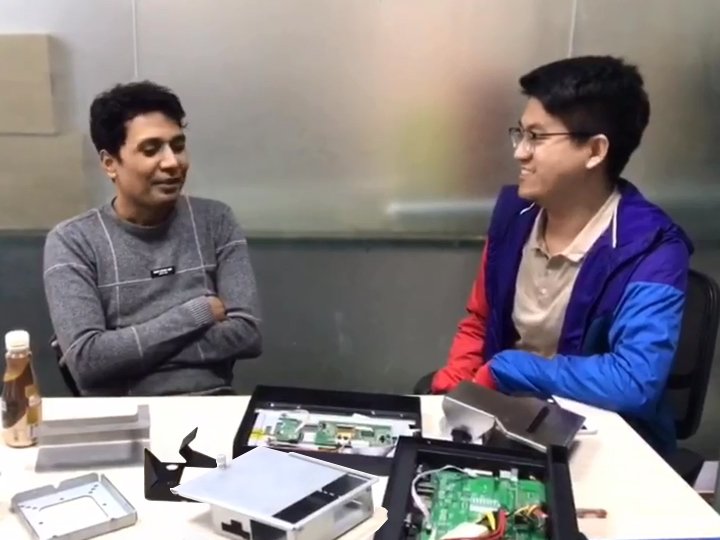
We discussed the requirement with our engineering team and evaluated the highest achievable surface finish without adding significant extra cost. After technical analysis, we recommended using Ra0.8 as the initial validation standard, which could provide a better balance between product performance and manufacturing cost.
Instead of directly increasing the customer’s cost, we proposed testing 5 prototype samples with Ra0.8 surface finish first. If the samples could meet the customer’s application requirements, the same standard would be applied to the future 250 pcs production order. This approach reduced the customer’s risk while giving confidence that the product could achieve the required performance with a more practical manufacturing solution.
Customer Concerns
The customer was concerned that the Ra0.8 surface finish might not be sufficient for the actual application requirements. Since the component would be used in a locomotive pneumatic system, the customer wanted to ensure that the internal surface quality could meet the expected performance and reliability standards.
At the same time, the customer understood that achieving Ra0.1 would significantly increase the manufacturing cost due to the additional polishing process. Therefore, the main concern was finding the right balance between surface performance and cost control. Through technical communication and requirement analysis, we worked with the customer to evaluate a more practical solution.
Case Highlight: Solving Customer Problems with Practical Alternatives
The key value of this project was our ability to actively solve the customer’s technical concerns and provide a practical solution when the original requirement created cost challenges. Instead of simply accepting the Ra0.1 requirement and increasing the customer’s production cost, we carefully analyzed the actual application needs and discussed possible alternatives with our engineering team.
After technical evaluation, we found that Ra0.8 could be a more practical solution for this application while maintaining product performance. We recommended starting with prototype testing to verify whether Ra0.8 could meet the customer’s actual usage requirements before moving into mass production.
Through continuous communication and engineering support, we helped the customer find a better balance between quality, performance, and cost. This approach reduced unnecessary processing costs while ensuring the customer had confidence in the final manufacturing solution.
Finished Component Showcase: Locomotive Pneumatic Bell Motor Parts
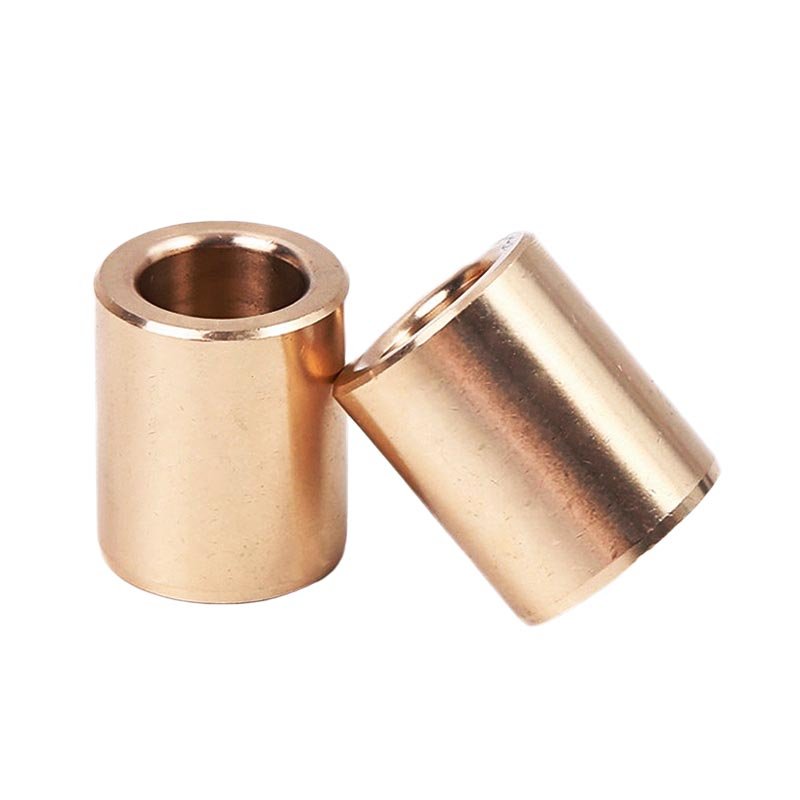
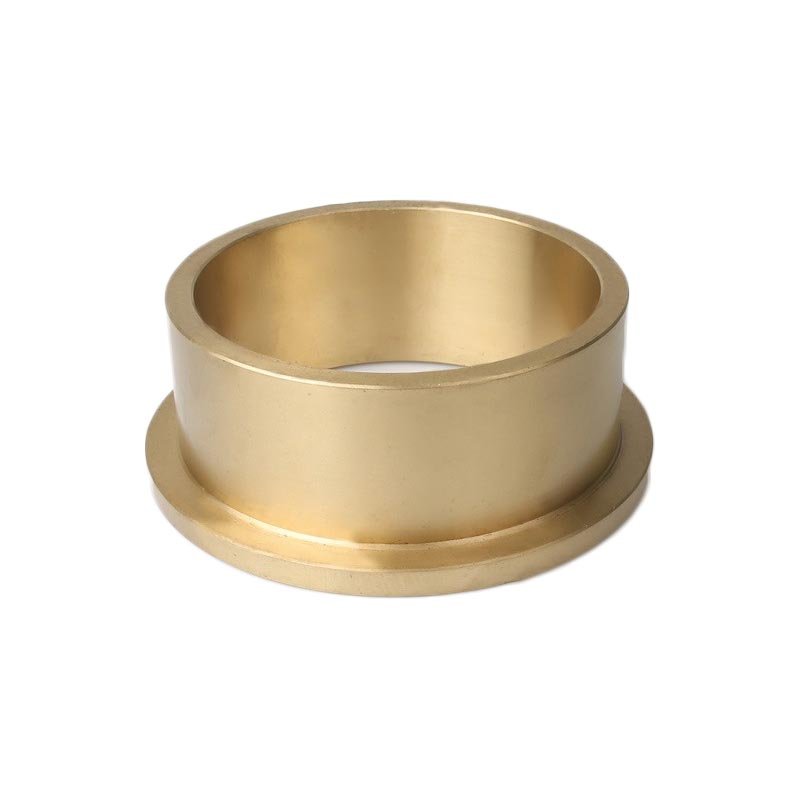
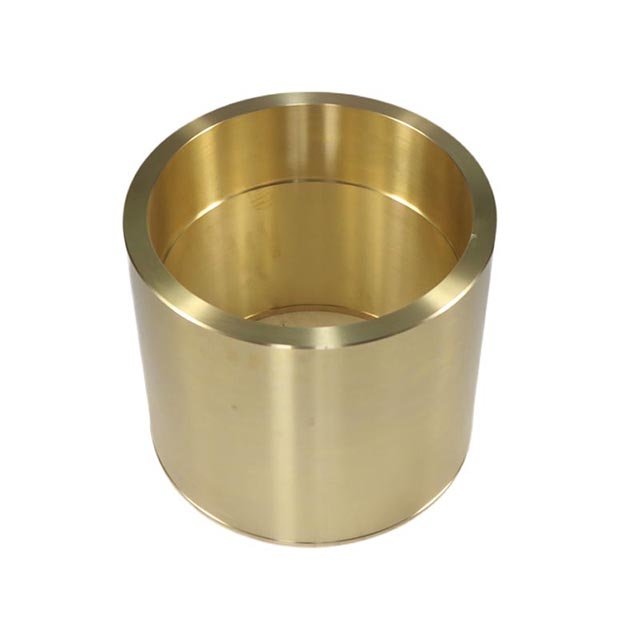
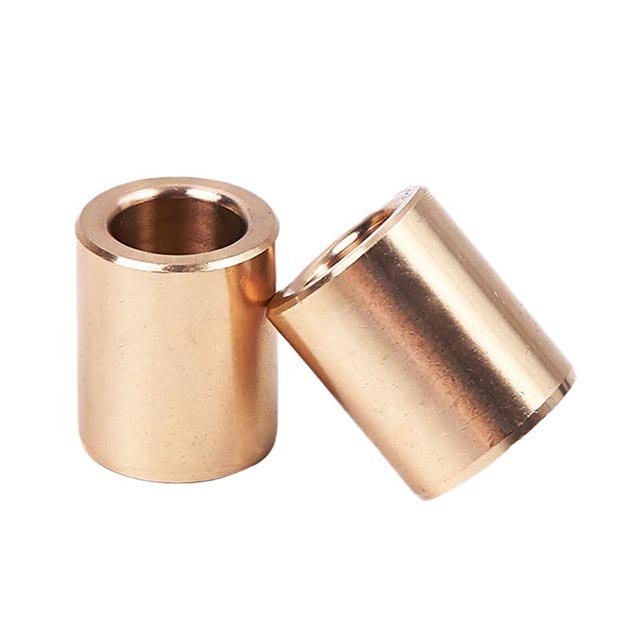
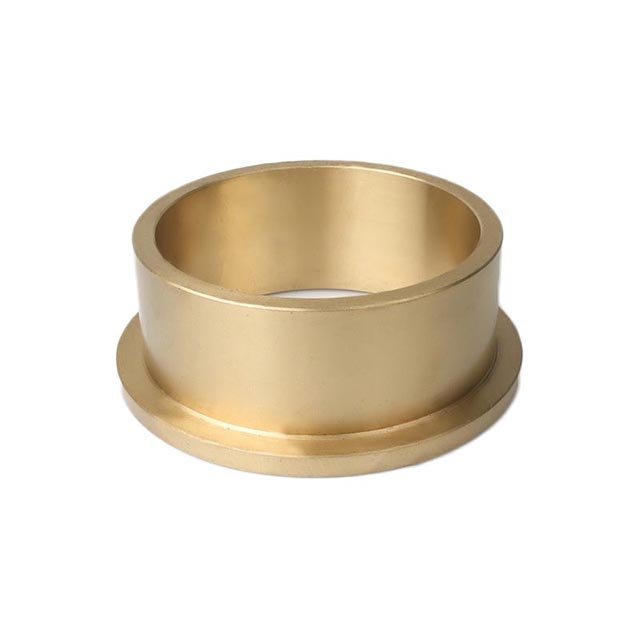
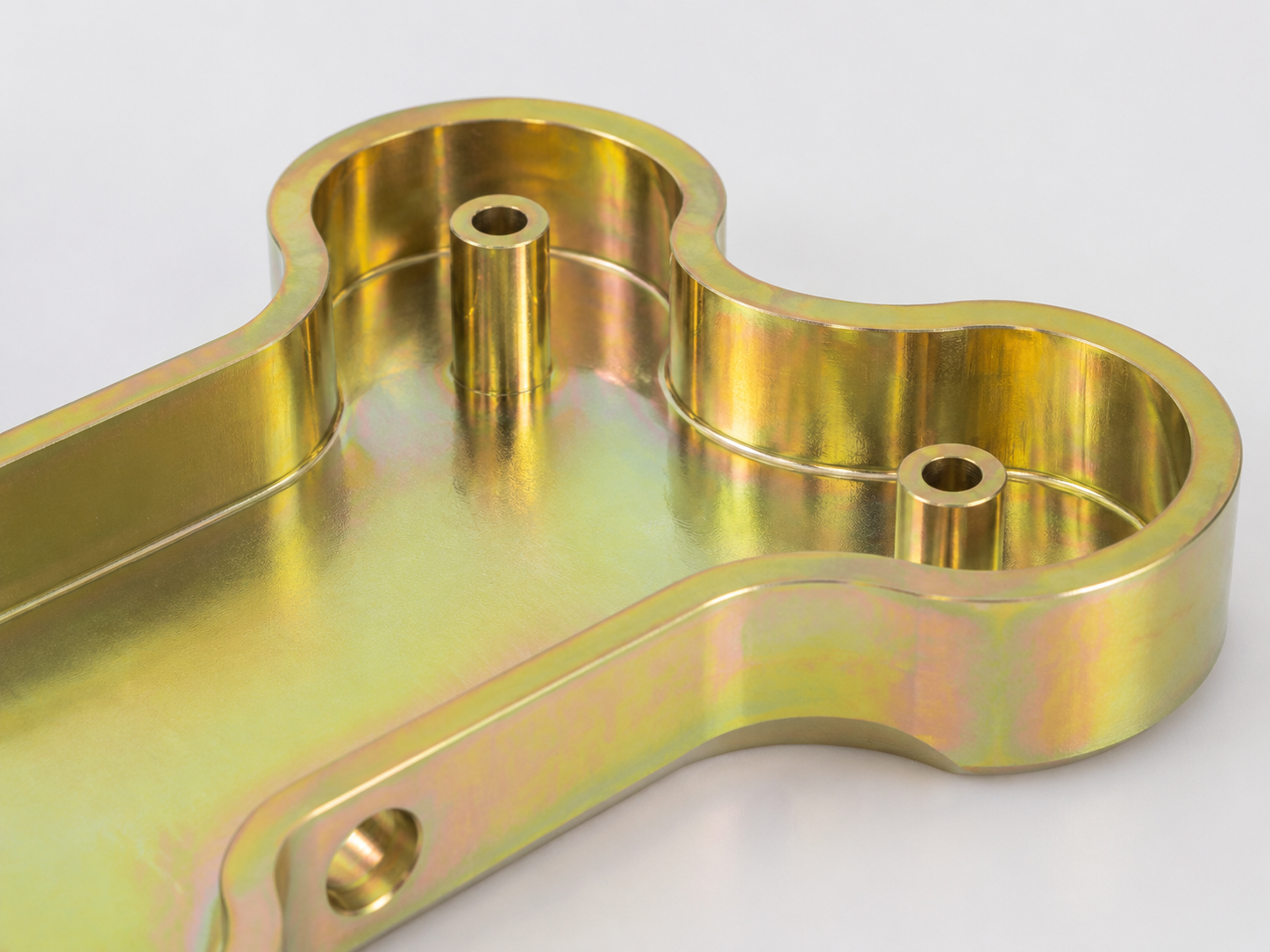
The displayed finished components are precision-machined parts used in locomotive pneumatic bell motor applications. These railway components require stable mechanical performance, accurate dimensions, and reliable operation to ensure proper function in demanding transportation environments.
Through CNC turning machining and strict quality control, we manufactured the components according to the customer’s technical requirements. From material selection and machining process optimization to surface finish evaluation, we focused on providing a reliable solution that supports both prototype validation and future production needs for railway applications.
Successful Production & Shipment
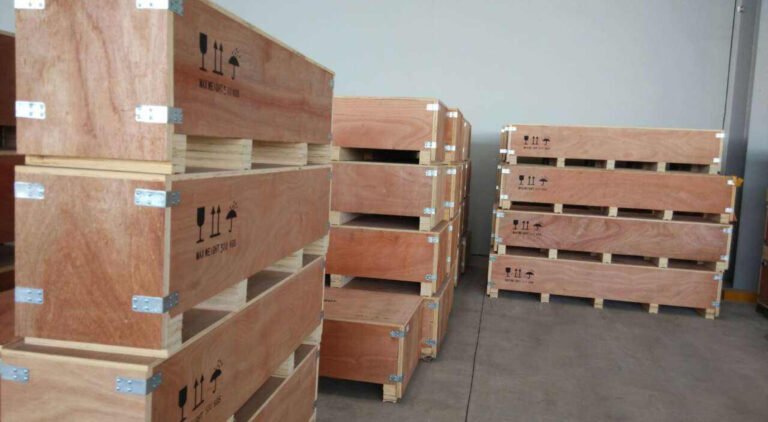
After completing the prototype validation and confirming the product requirements, the project successfully moved forward to production. We maintained strict quality control throughout the manufacturing process to ensure the CNC machined components met the customer’s requirements for dimensions, surface finish, and overall performance.
The finished products were carefully inspected, packed with proper protection, and prepared for shipment to the customer. This successful delivery demonstrated our ability to support customers from technical communication and solution development to reliable production and final delivery.
Need a Similar Railway or Industrial CNC Part Reviewed?
Send the drawing, CAD model, material, quantity, critical dimensions, surface-finish requirements, inspection plan, and application details. For replacement parts, include photos and explain the surfaces or features linked to wear, sealing, fit, or motion. Request a manufacturing review.
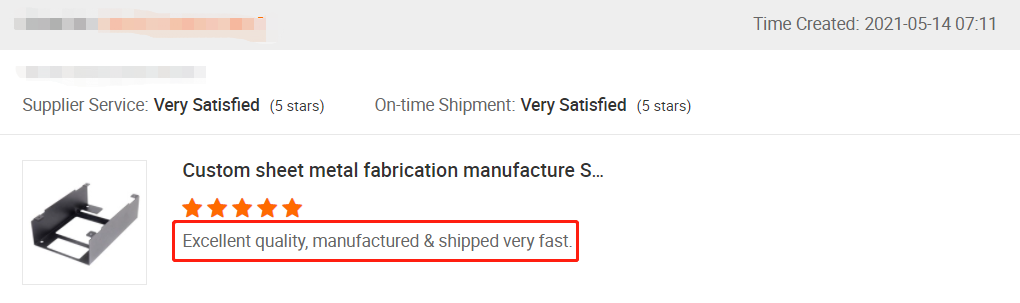
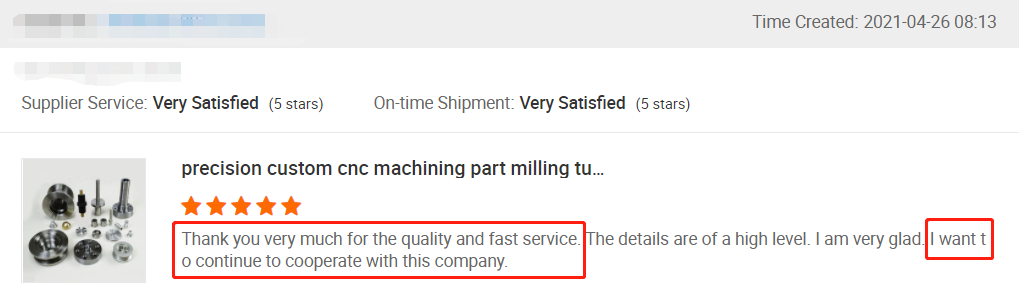
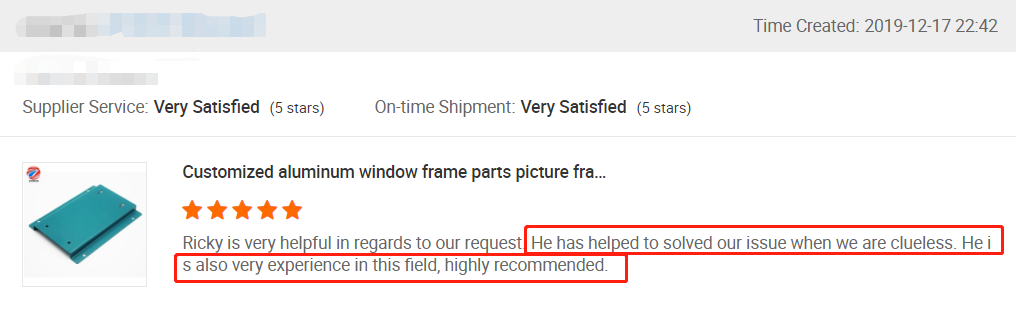
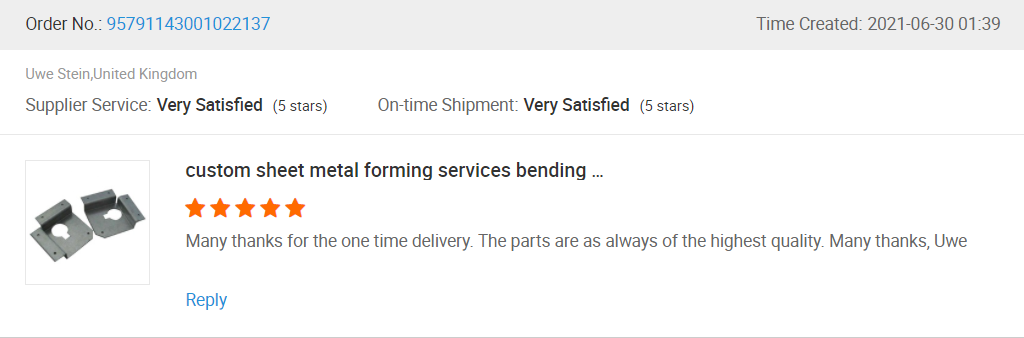
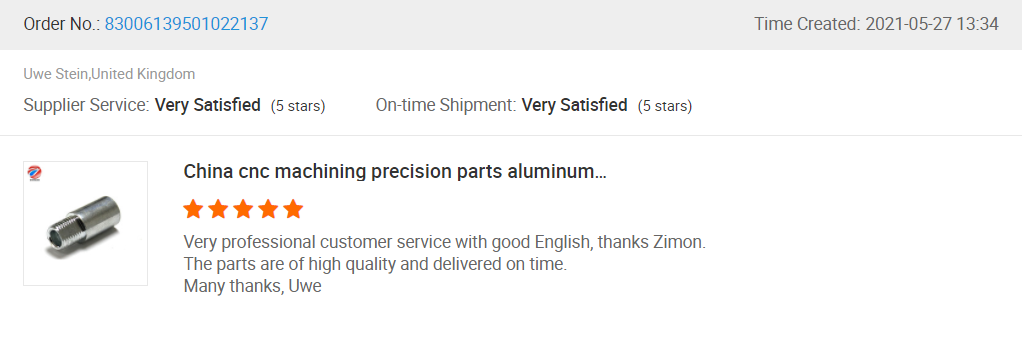
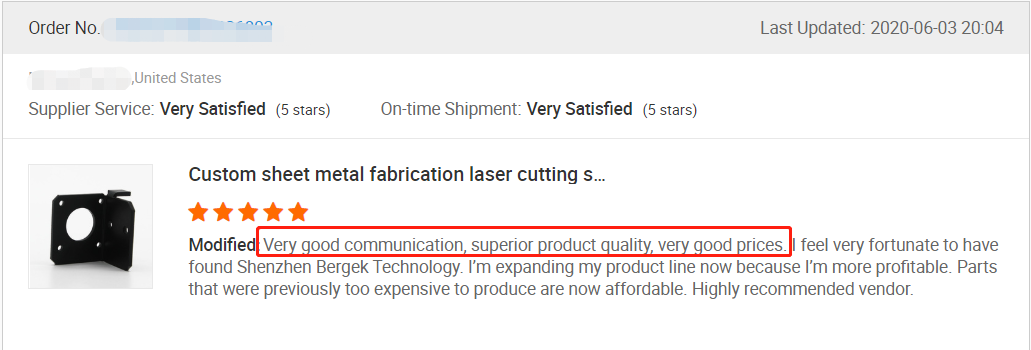
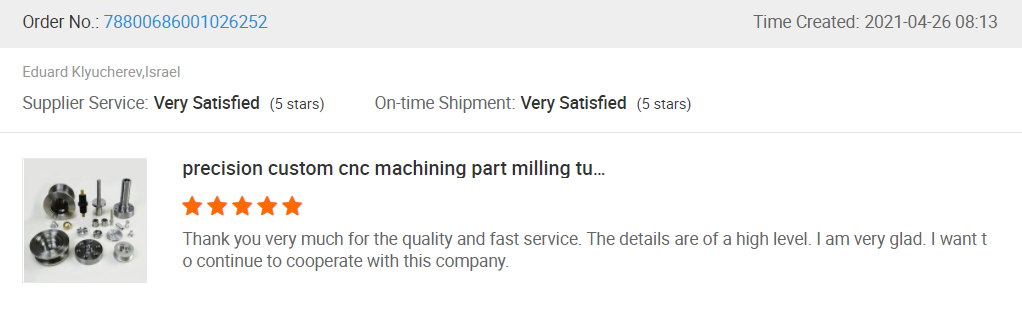
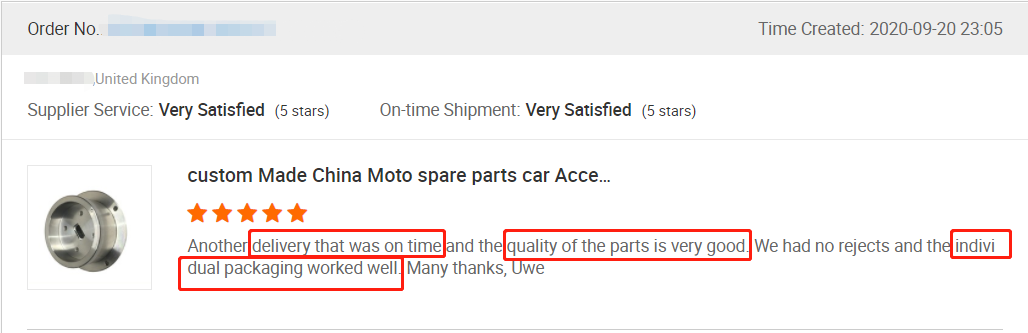
What Our Customers Say