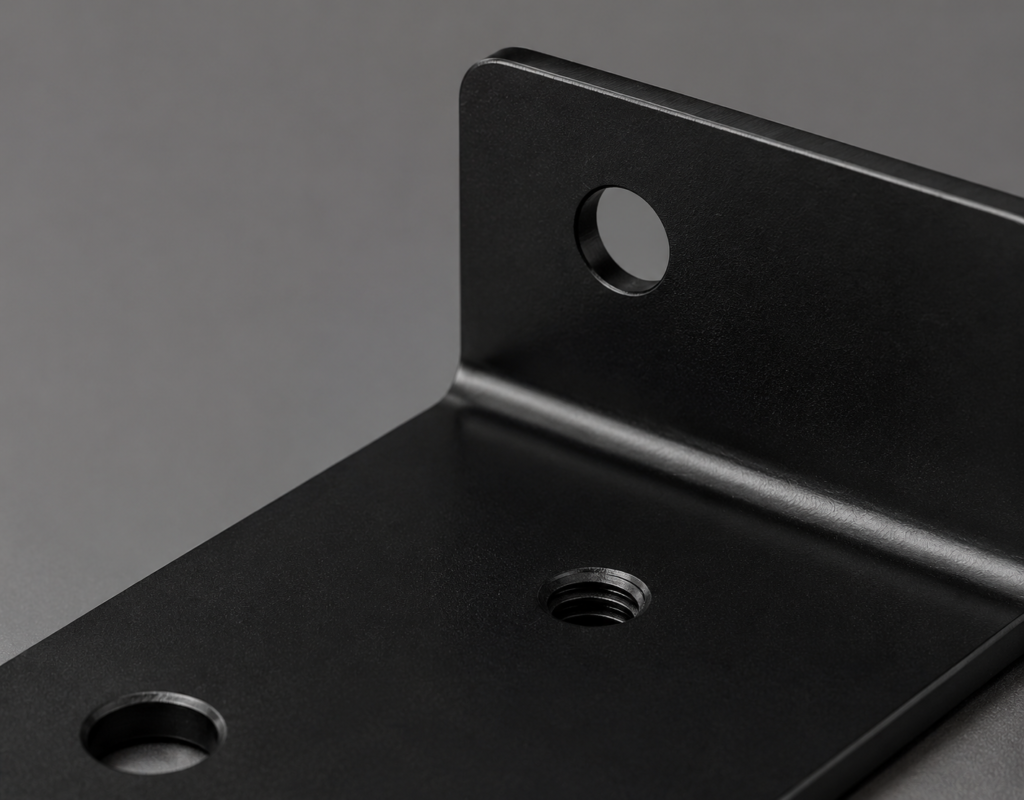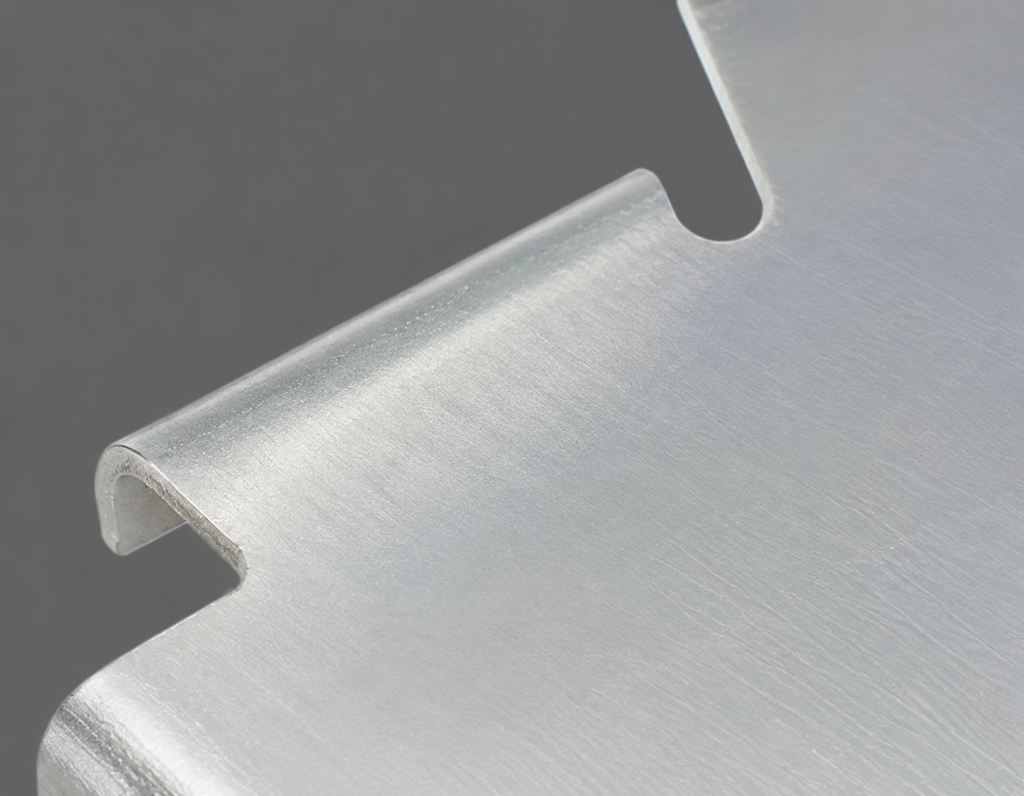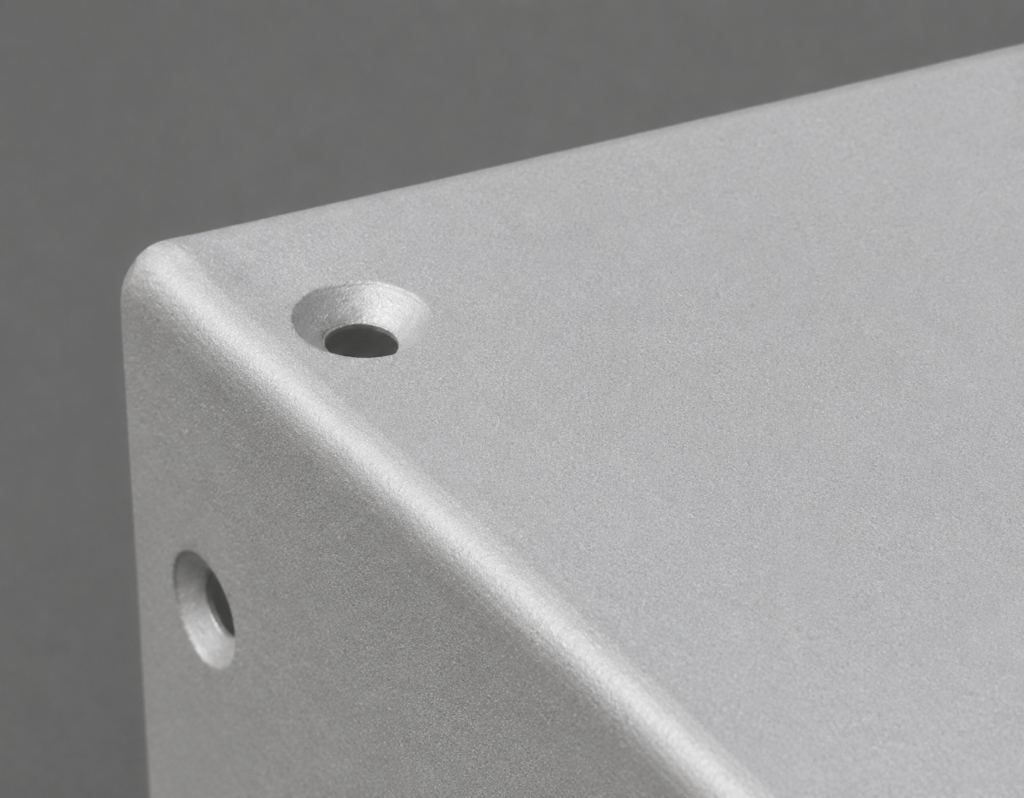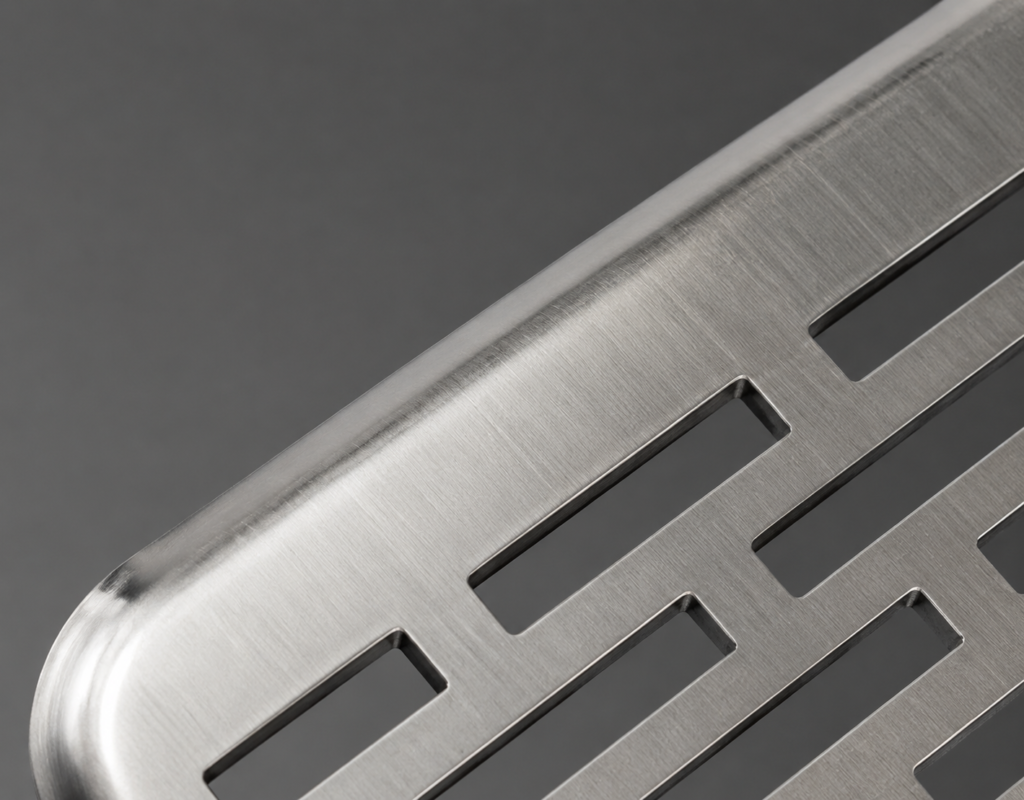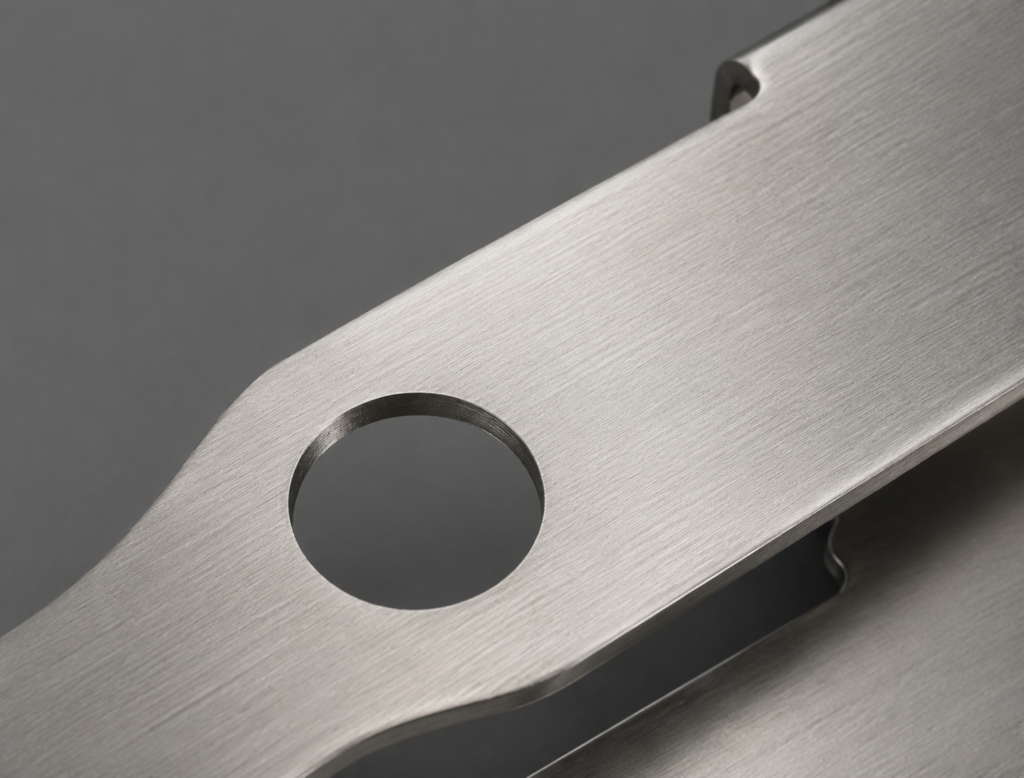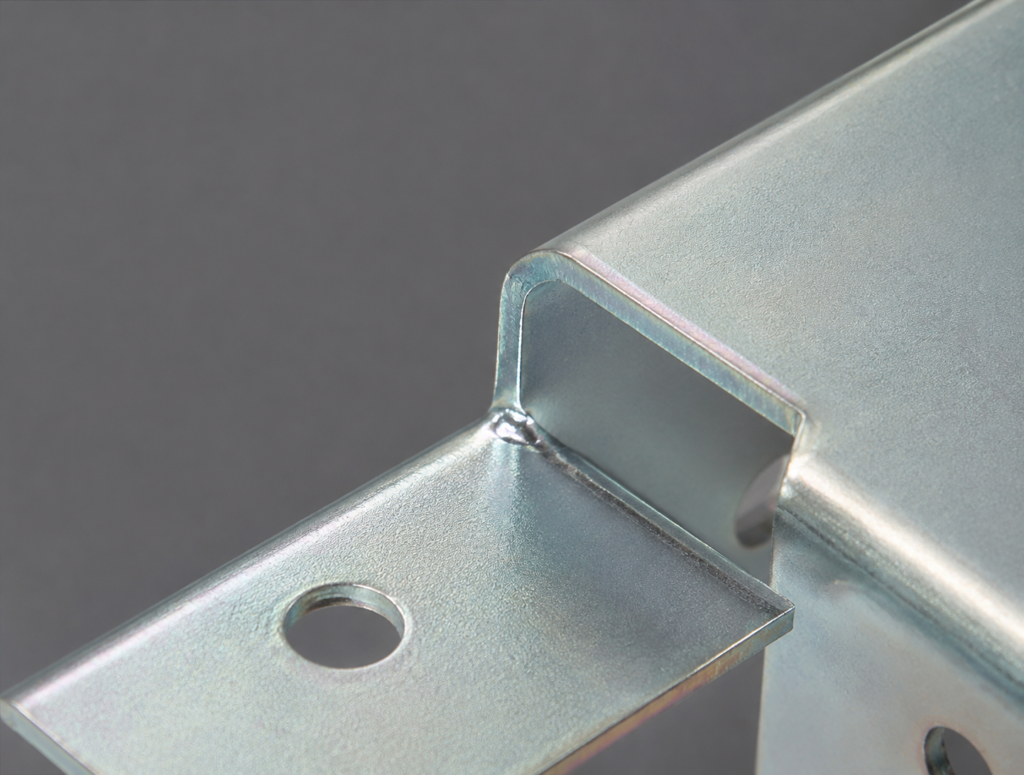

Custom Sheet Metal Fabrication Service

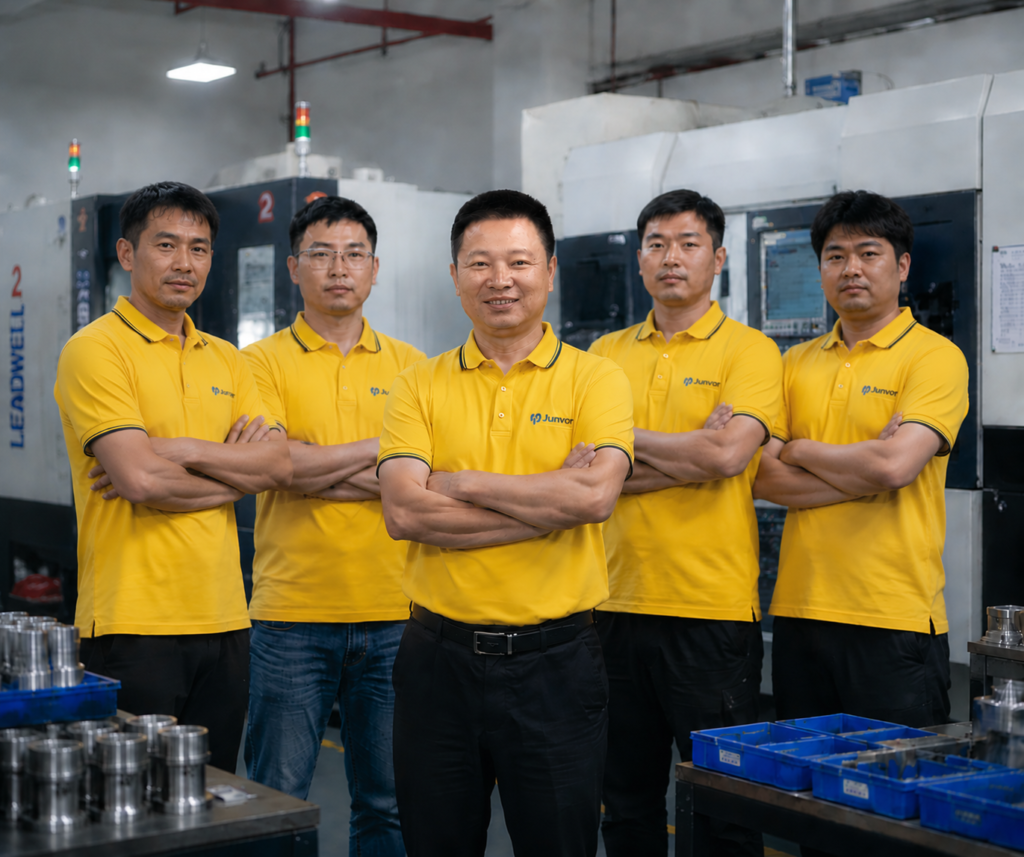
At Junvor, we provide a full range of sheet metal fabrication services, covering design, engineering, and manufacturing to meet diverse project requirements. Our experienced team is committed to delivering high-quality, cost-effective solutions on time and within budget, regardless of project size or complexity. Contact us today for a free instant quote and reliable fabrication support for your next project.

sheet metal fabrication shop

Are you looking for a reliable, quick-turn supplier of sheet metal fabrication parts?

At Junvor, we are a professional precision sheet metal fabrication manufacturer dedicated to producing high-quality parts with tight tolerances and complex geometries. Our advanced manufacturing capabilities ensure stable quality, accurate forming, and reliable performance for a wide range of industrial applications.

With over 20 years of experience in custom sheet metal fabrication, we provide cost-effective and flexible solutions tailored to customer requirements. From prototype to mass production, Junvor ensures every project is delivered with precision quality, fast turnaround, and consistent manufacturing excellence.

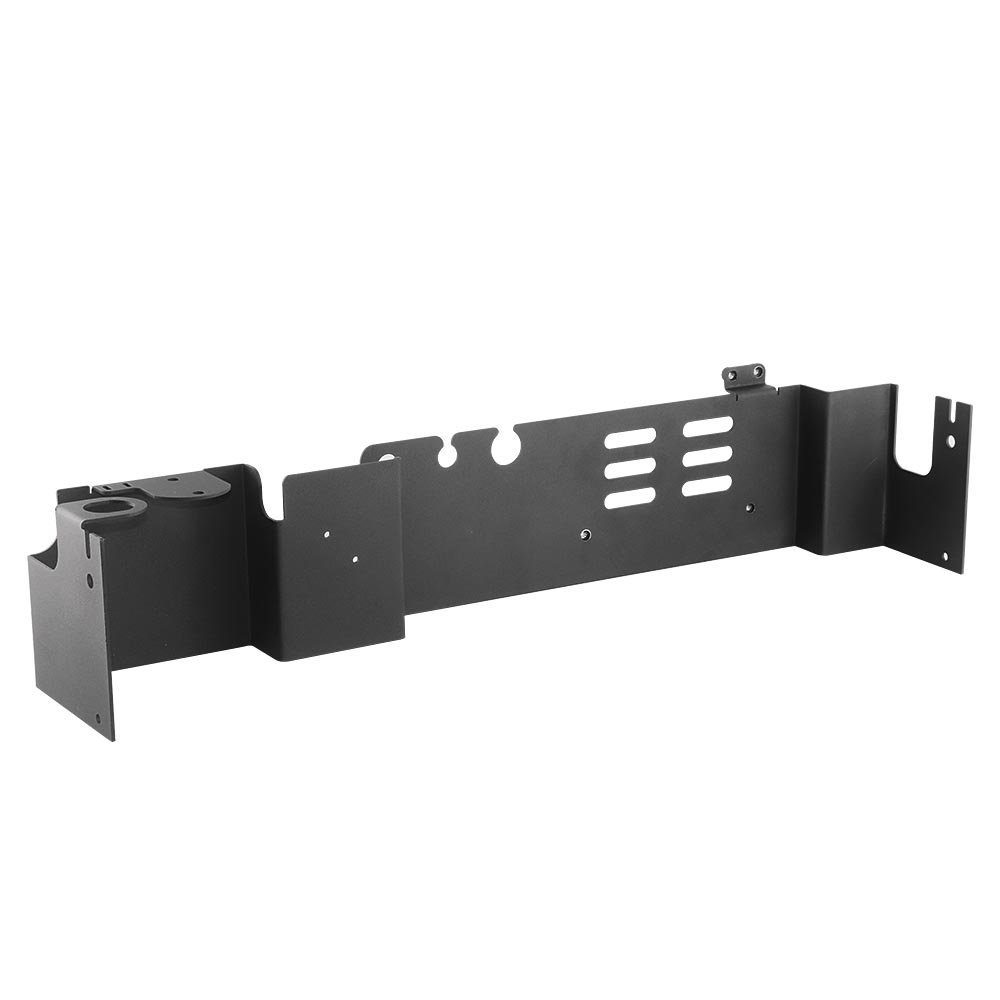
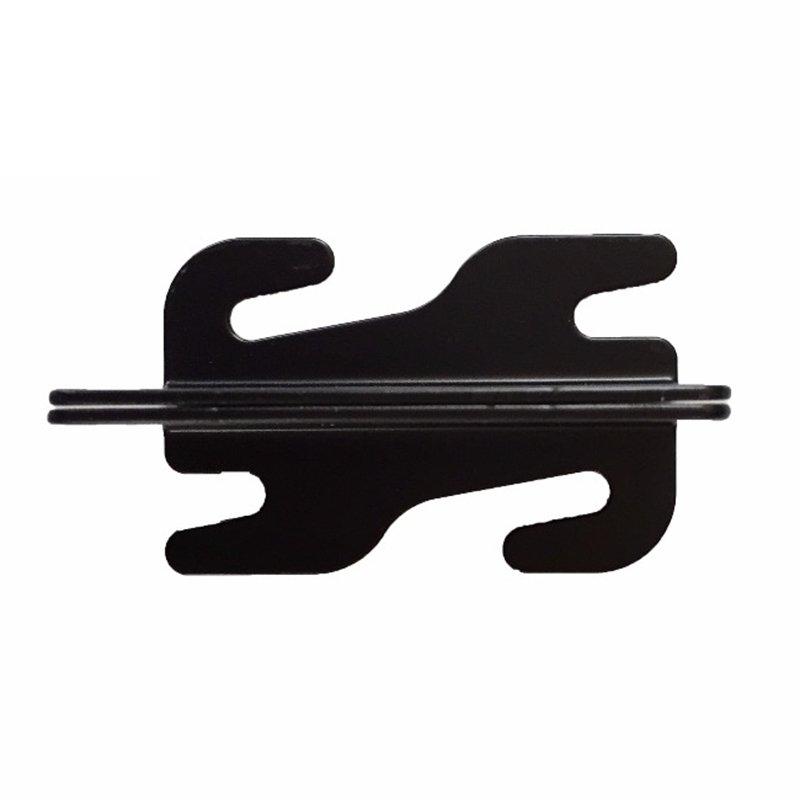
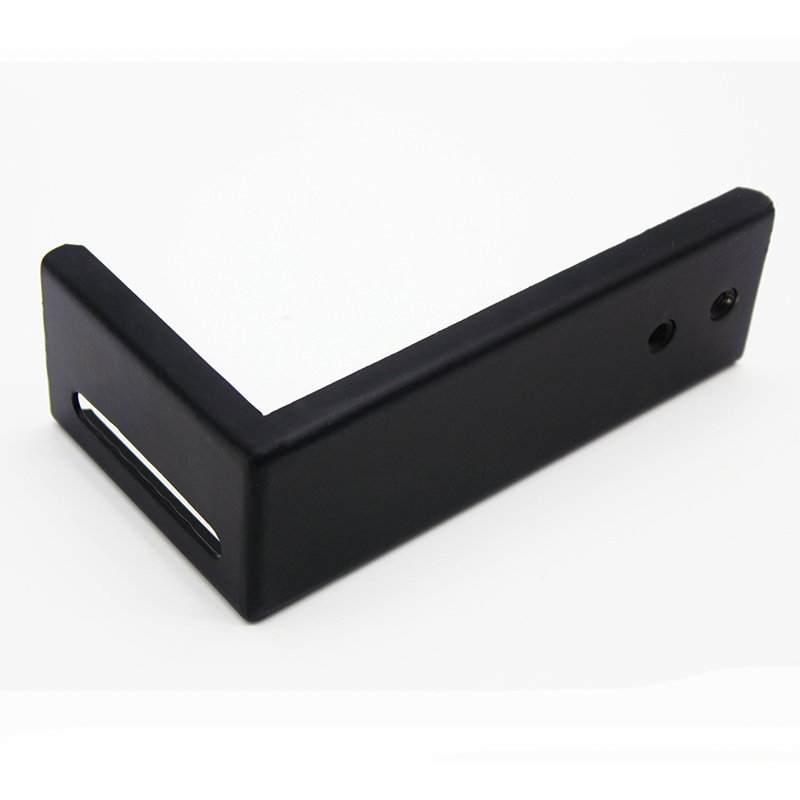
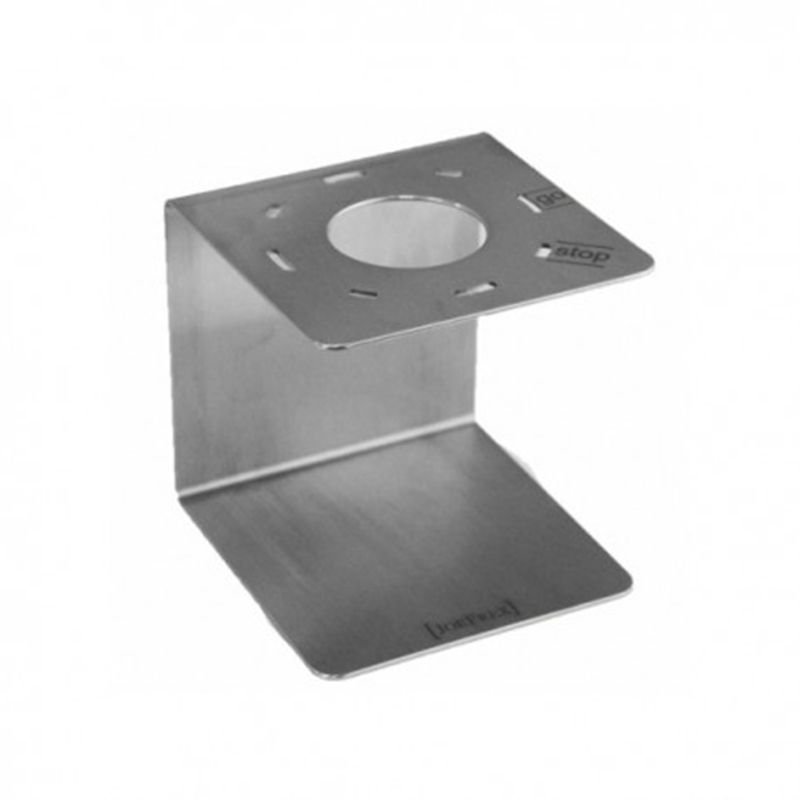
All Type Sheet Metal Fabrication Parts We Made

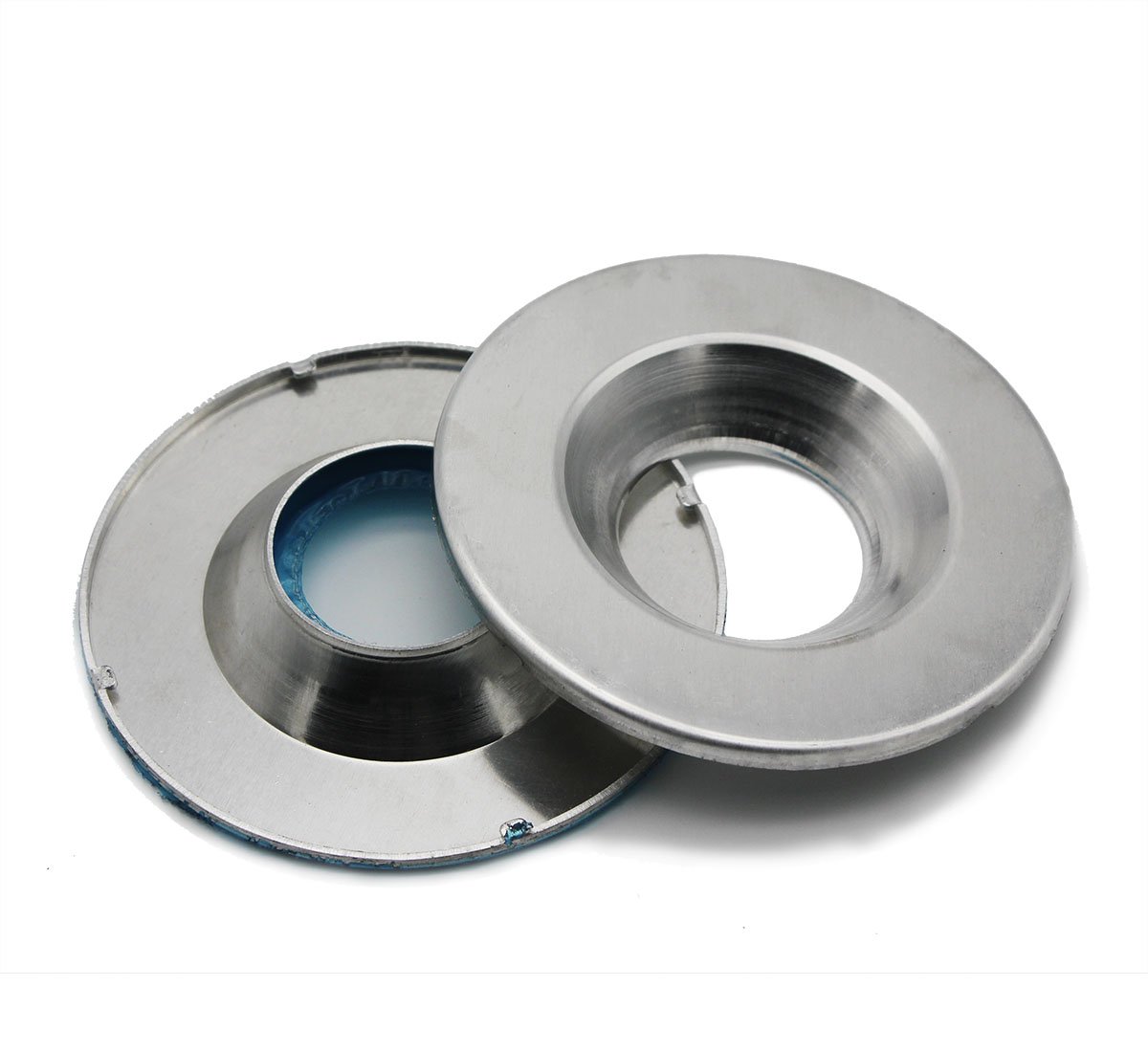
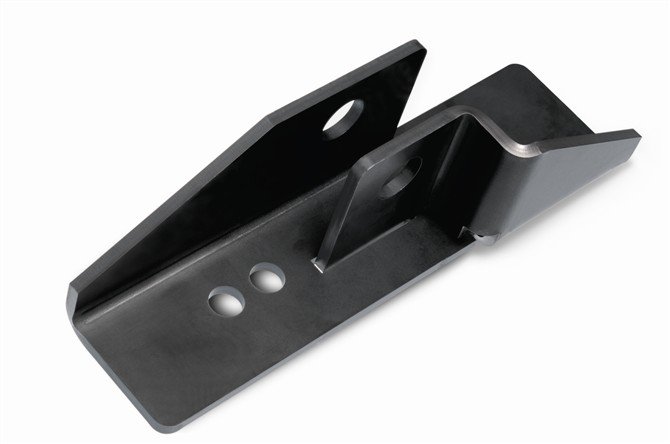
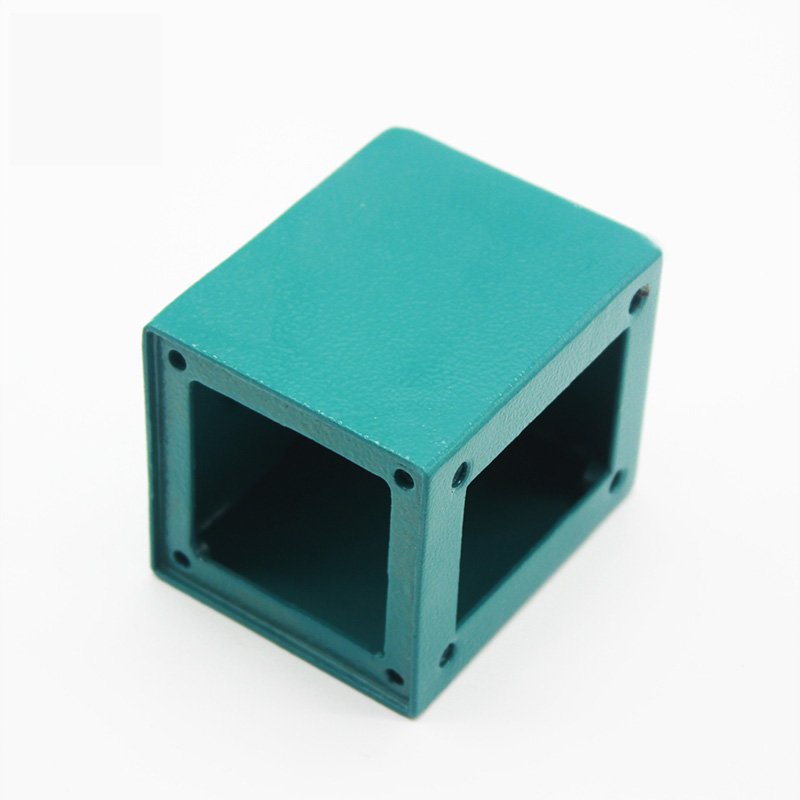
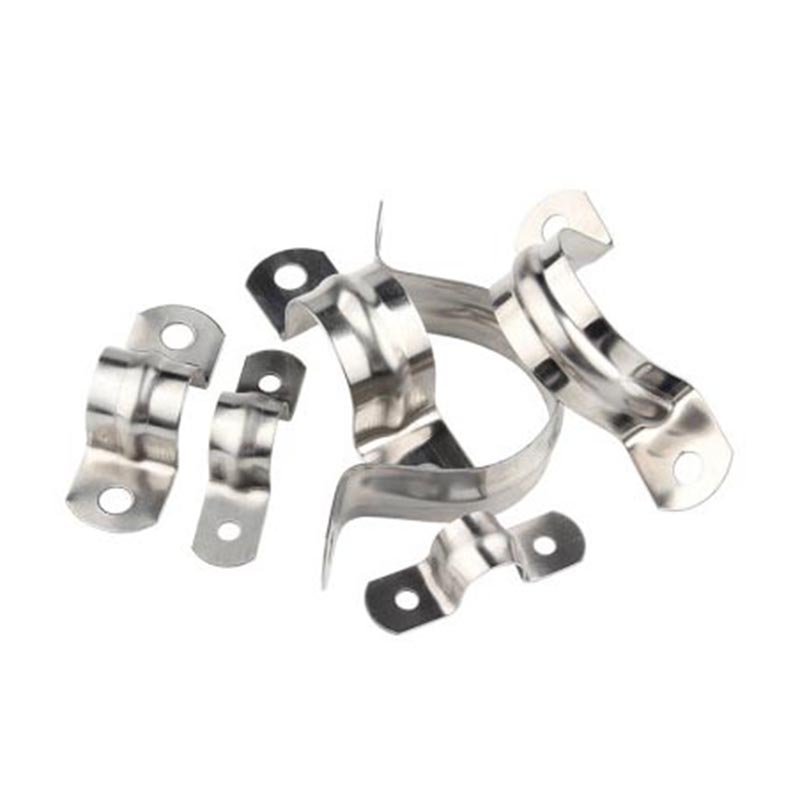
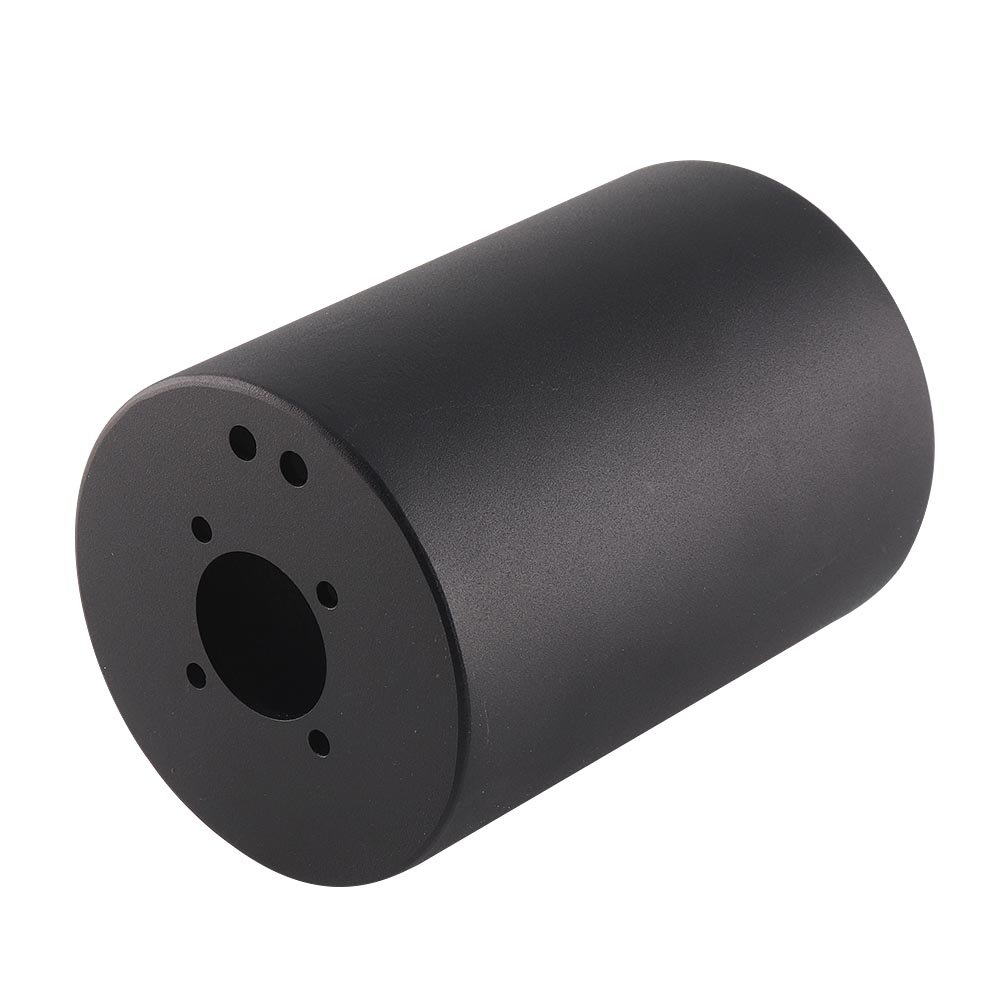
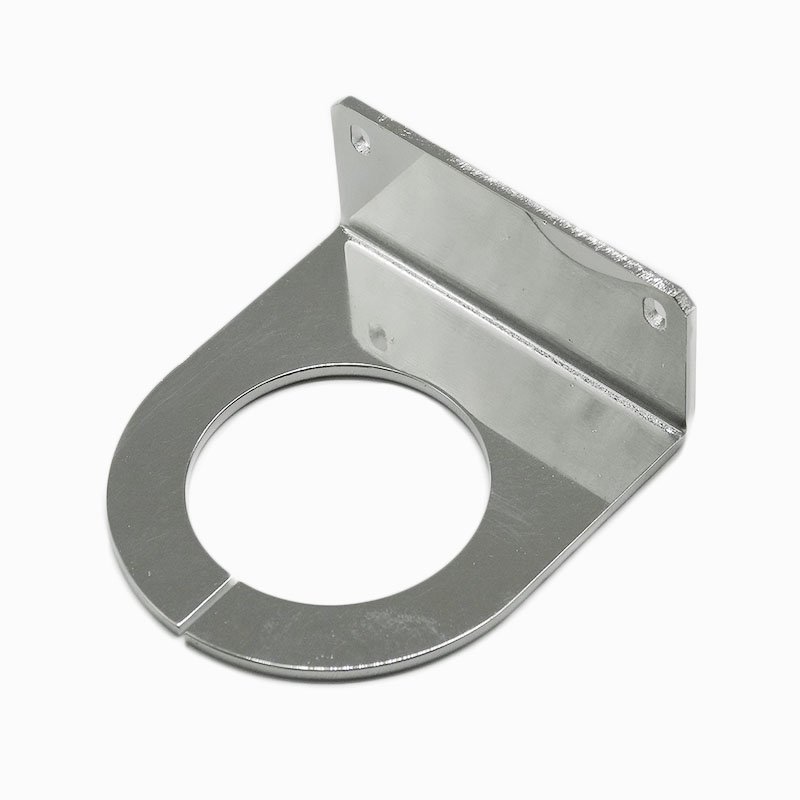
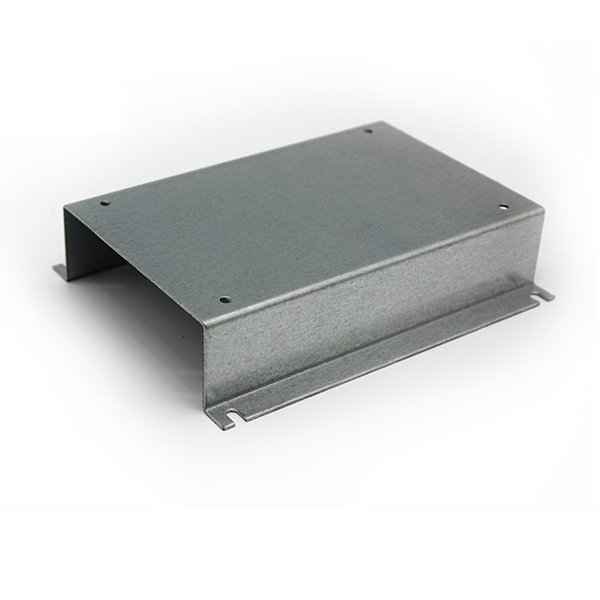
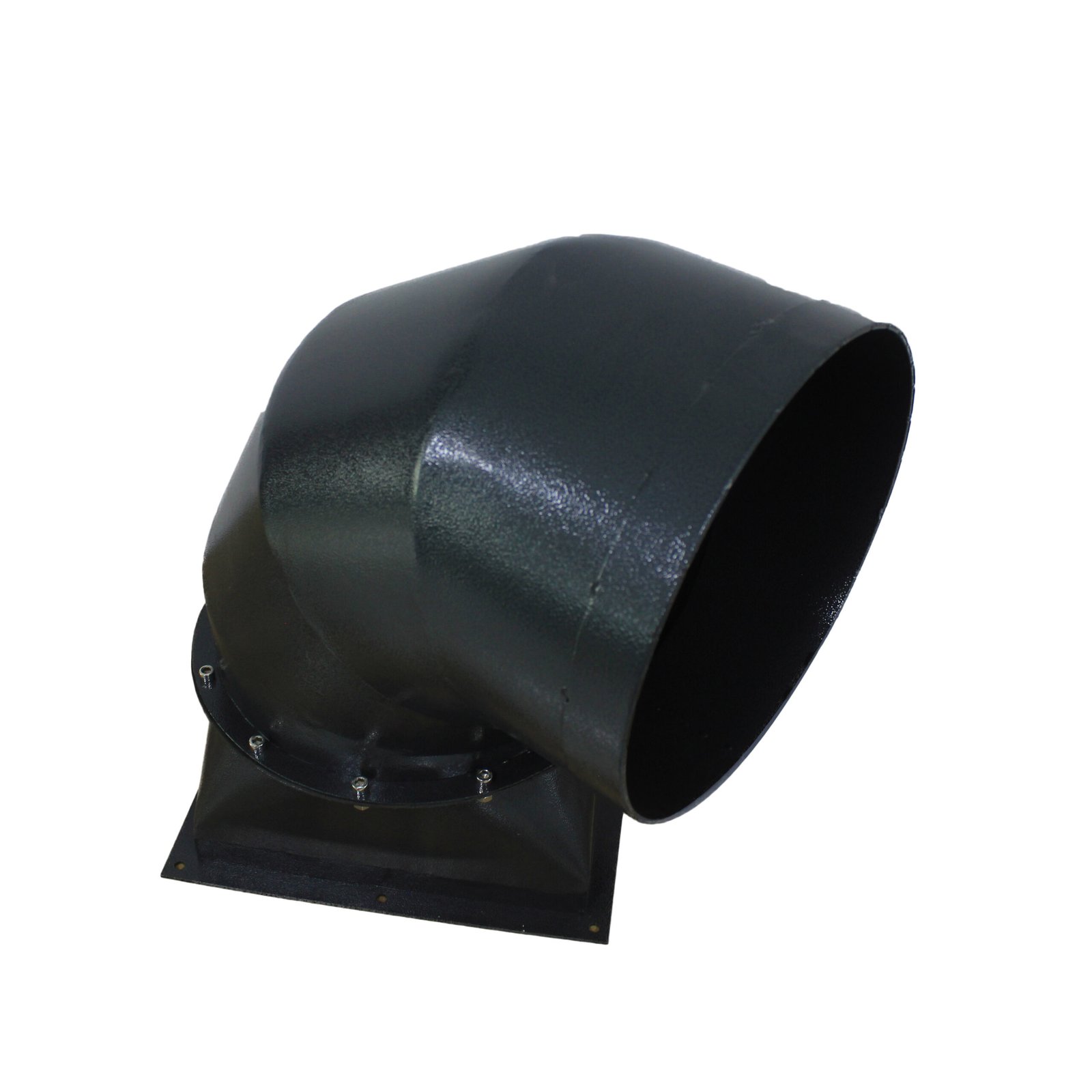
We manufacture a wide range of custom sheet metal fabrication parts with high precision, ensuring complex geometries, tight tolerances, and consistent quality for various industrial applications.

What is precision sheet metal fabrication

What is precision sheet metal fabrication?

Precision sheet metal fabrication refers to manufacturing processes that use the same fundamental methods as standard sheet metal work but with tighter tolerances and higher dimensional accuracy. It requires careful consideration of material properties, stretch behavior, and grain direction to achieve precise forming results.

To meet precision requirements, design engineers often perform detailed analysis including material behavior evaluation, forming calculations, and stress control. This ensures components achieve consistent accuracy, improved fit, and reliable performance in demanding applications.

Our Sheet Metal Fabrication Capabilities

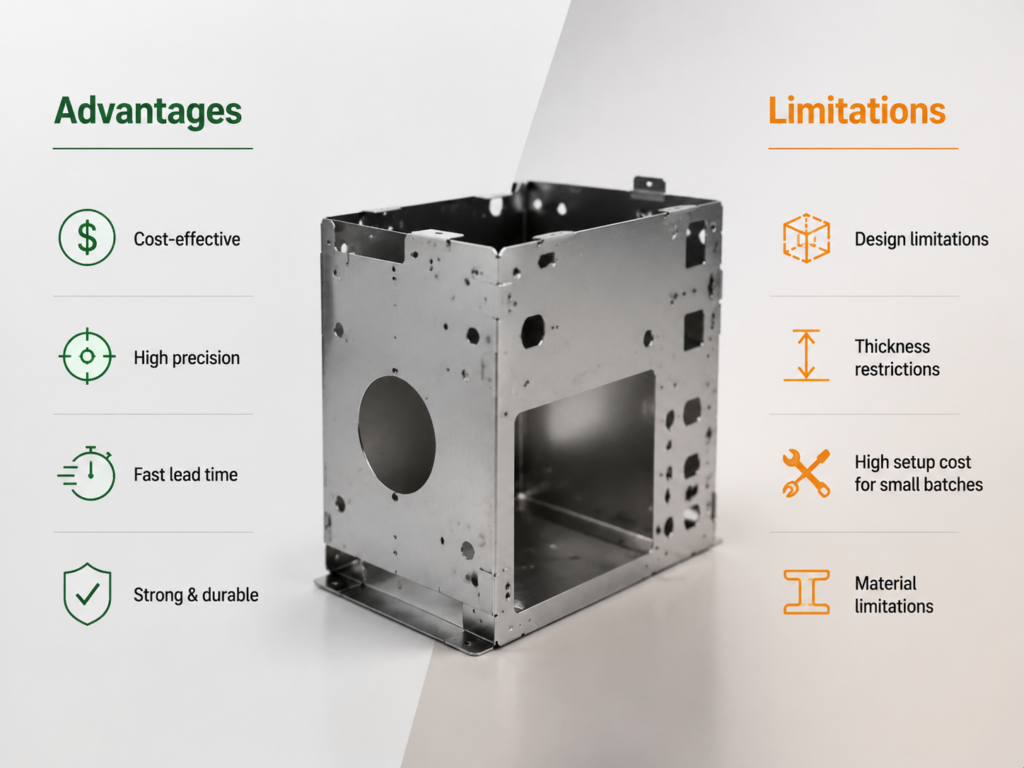
Sheet metal fabrication is a versatile process that offers fast production speed, cost efficiency, and good dimensional accuracy for both prototypes and production parts. It allows quick design changes and flexible manufacturing, making it suitable for customized applications.

At higher volumes, sheet metal parts become more cost-effective while maintaining stable quality and repeatability. The process supports a wide range of materials and enables components for demanding environments requiring strength, heat resistance, and corrosion protection.

Cutting types - without shear

Several processes including extreme heat, vaporization, and high pressure abrasive blasting, make it possible to cut through sheet metal without shear.

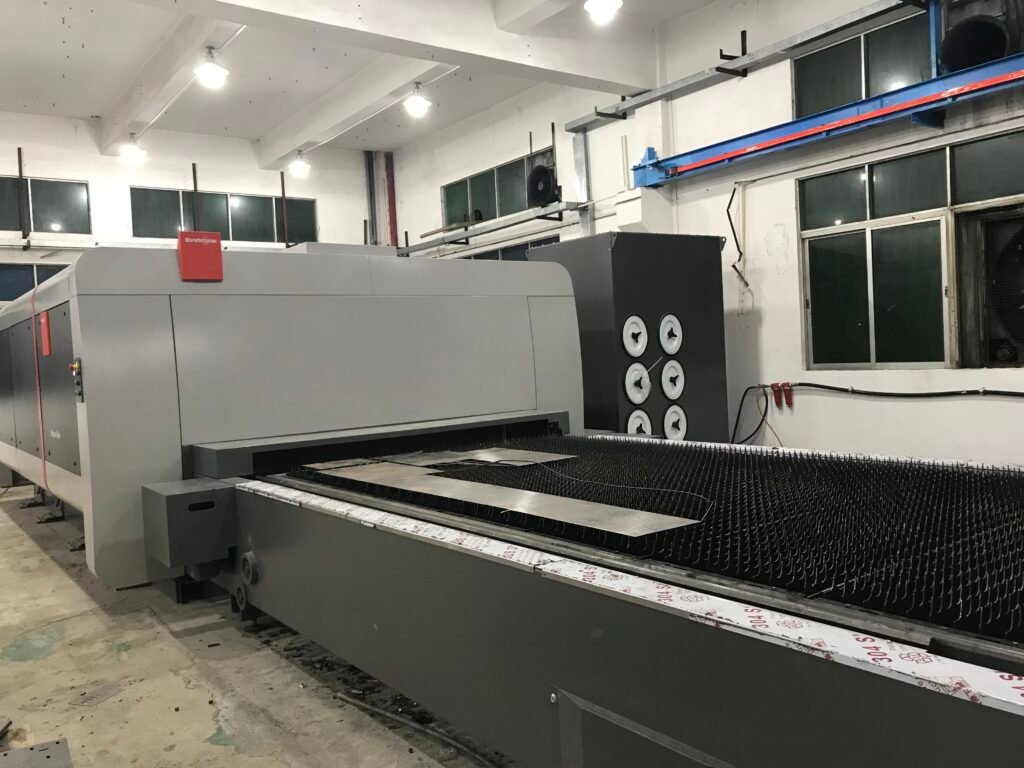
Laser Cutting

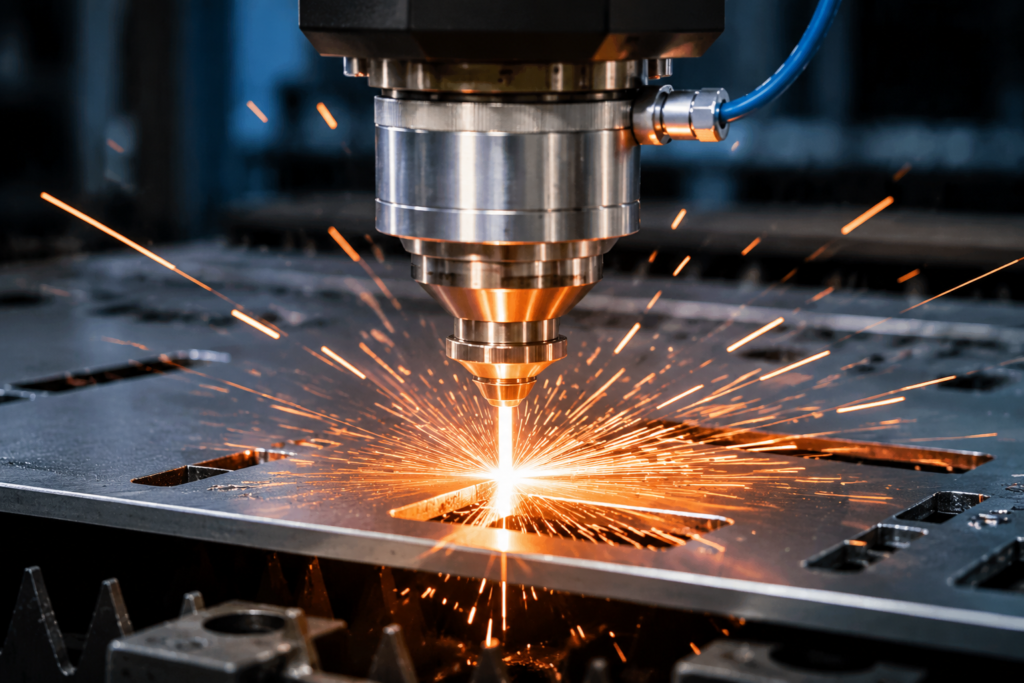
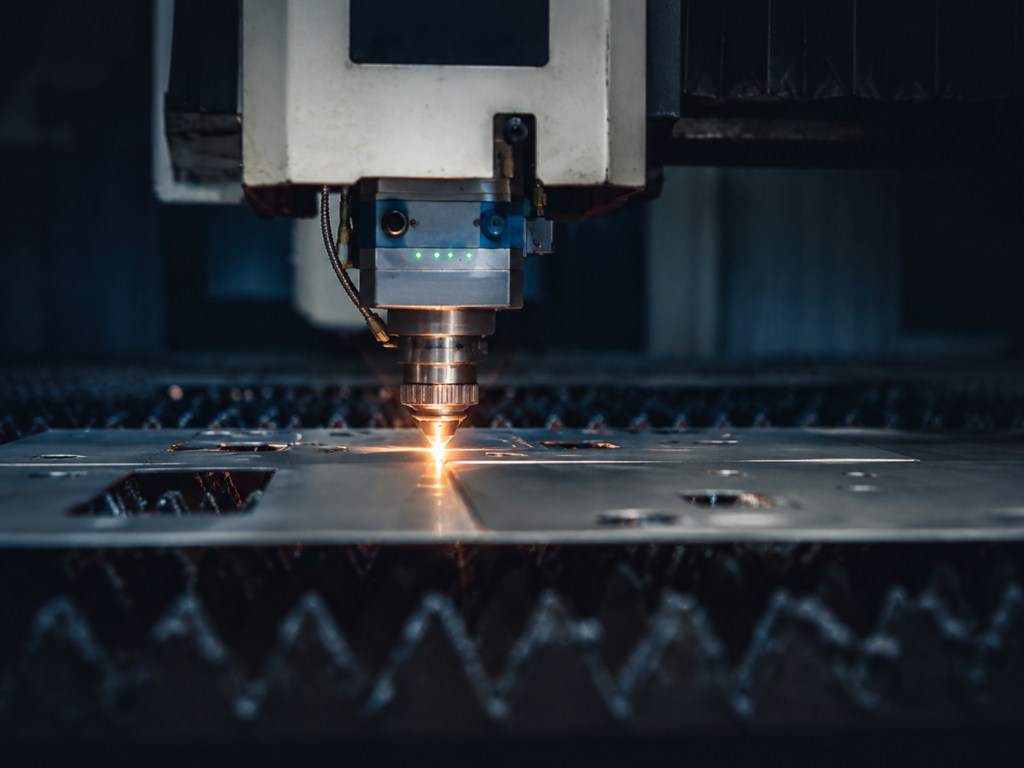
Laser cutting uses a high-powered laser beam to melt and vaporize material from sheet metal with high precision. A CO₂ laser is commonly used, delivering a focused beam as fine as 0.15–0.41 mm for clean and accurate cuts. Assist gases such as oxygen or nitrogen are used to improve cutting efficiency and edge quality.

Plasma Cutting

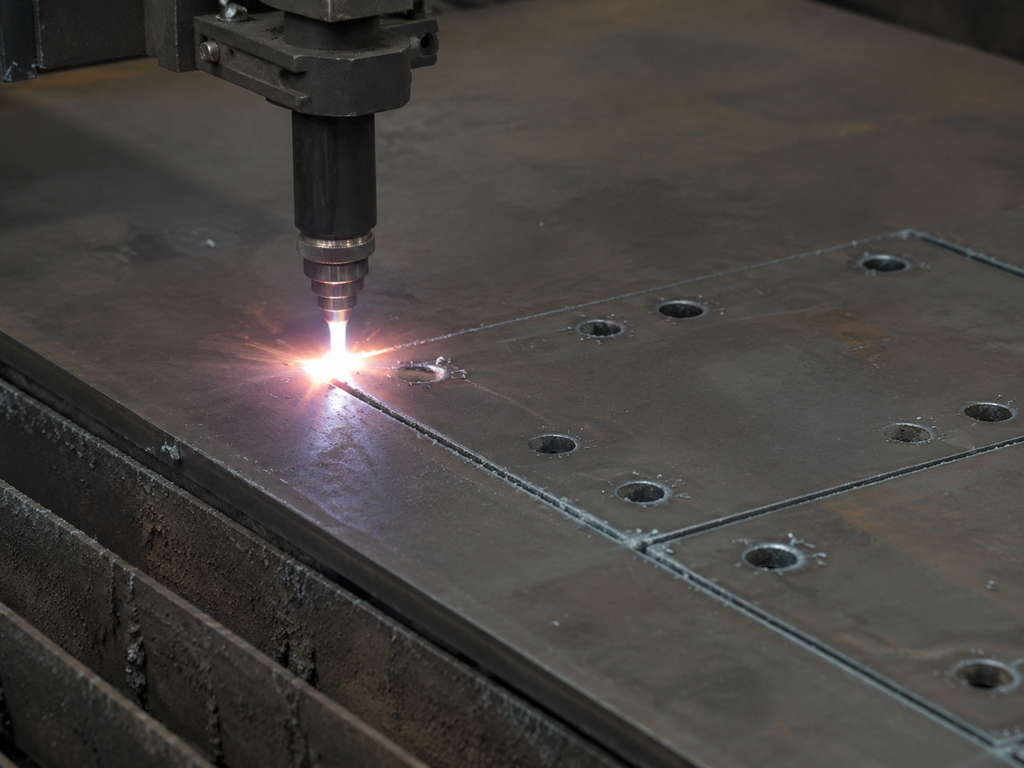
Plasma cutting uses ionized gas (plasma) to cut electrically conductive metals. It is ideal for thicker materials but produces a rougher edge with burrs and oxidation zones. The process is fast and efficient but less precise compared to laser cutting.

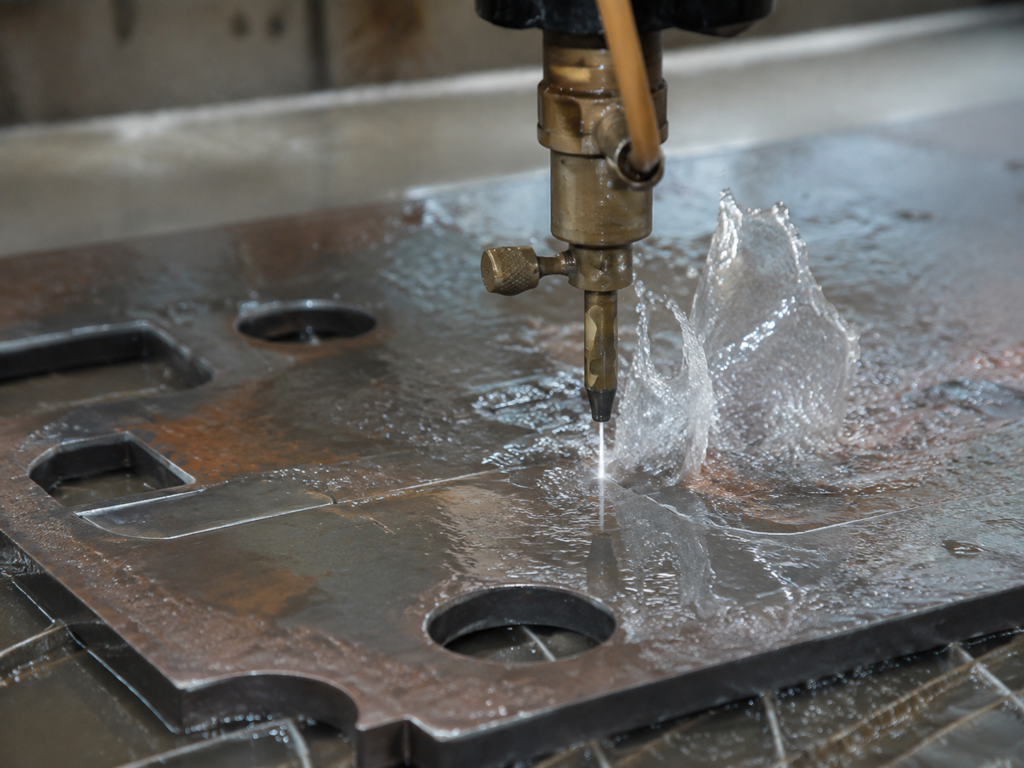
Water Jet Cutting

Water jet cutting uses a high-pressure stream of water mixed with abrasives at up to 60,000 psi to erode material without heat. It produces no heat distortion or burrs and delivers excellent surface finish, but it is slower and has a wider kerf than laser cutting.

Comparison of cutting types without shear

Process Pros Cons Tolerance Material Thickness Cost Applications
Laser Cutting Wide material compatibility
High precision engraving
Low burr formation
Small deformation
Smooth surface finish
Heat affected zone (HAZ)
Possible thermal distortion
Higher cost
0.05 mm (0.002 in) 0.30–1.02 mm (0.12–0.4 in) $$$ Medium-thin sheets, precision parts, marking applications
Plasma Cutting Low cost
Fast cutting speed
Rough cut finish
Large burr formation
Poor perpendicularity
Only conductive materials
HAZ present
0.5 mm (0.02 in) 0.5–180 mm (0.02–7.01 in) $ Thick metal parts, non-cosmetic applications
Water Jet Cutting No burr or dross
No heat affected zone
High accuracy
Wide material compatibility
No engraving capability
Slower process
Larger kerf width
Higher cost
0.2 mm (0.008 in) 10.16–50.8 mm (0.4–2 in) $$$$$ High-precision parts, complex geometries, premium finish

Our capabilities

Our capabilities cover a full range of sheet metal manufacturing services, enabling us to deliver precision parts from prototype to production with consistent quality and efficiency.

CNC Laser Cutting

Provides clean and precise cutting for sheet and plate materials with high accuracy and repeatability.

CNC Bending & Forming

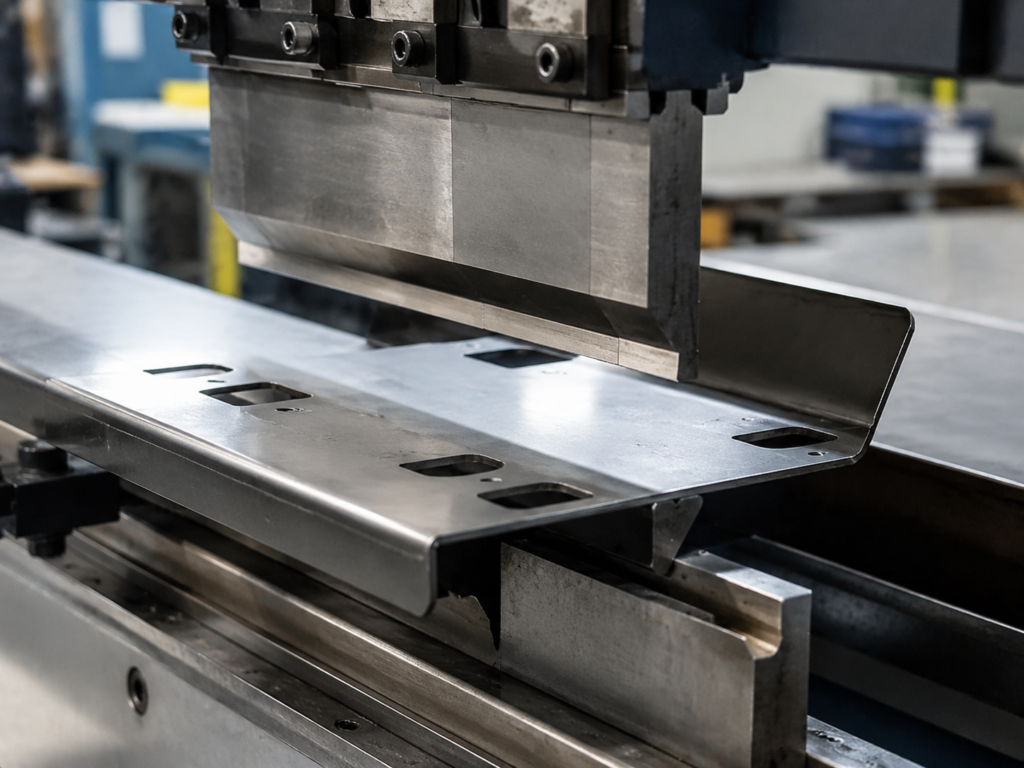
Delivers consistent and repeatable bends using press brake systems for complex sheet metal geometries.

Welding & Joining

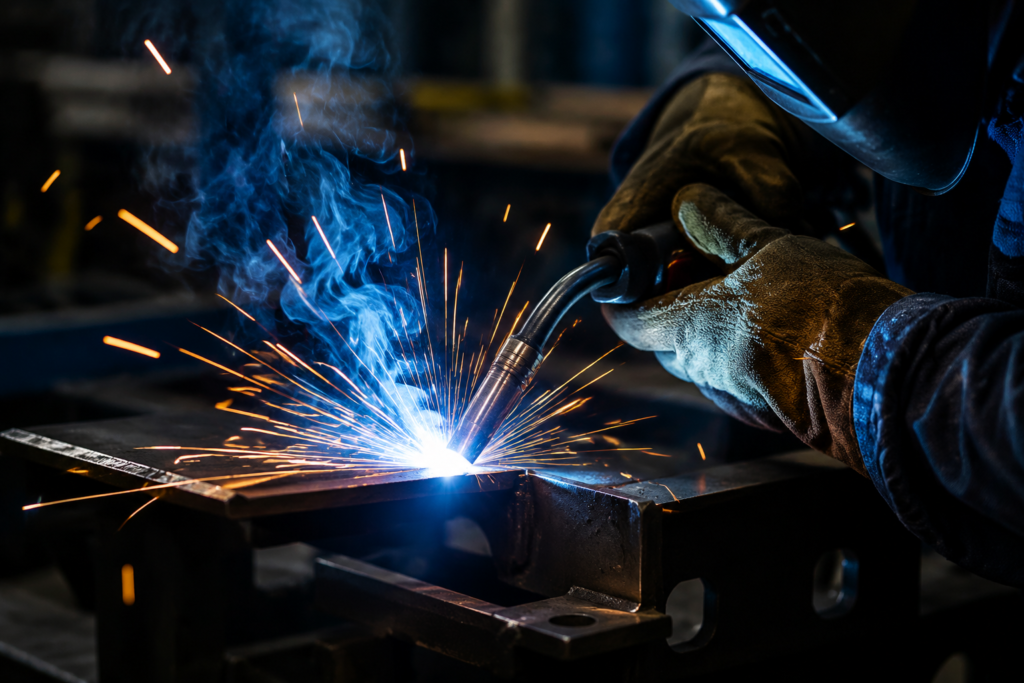
Supports MIG, TIG, and spot welding processes to ensure strong and reliable structural connections.

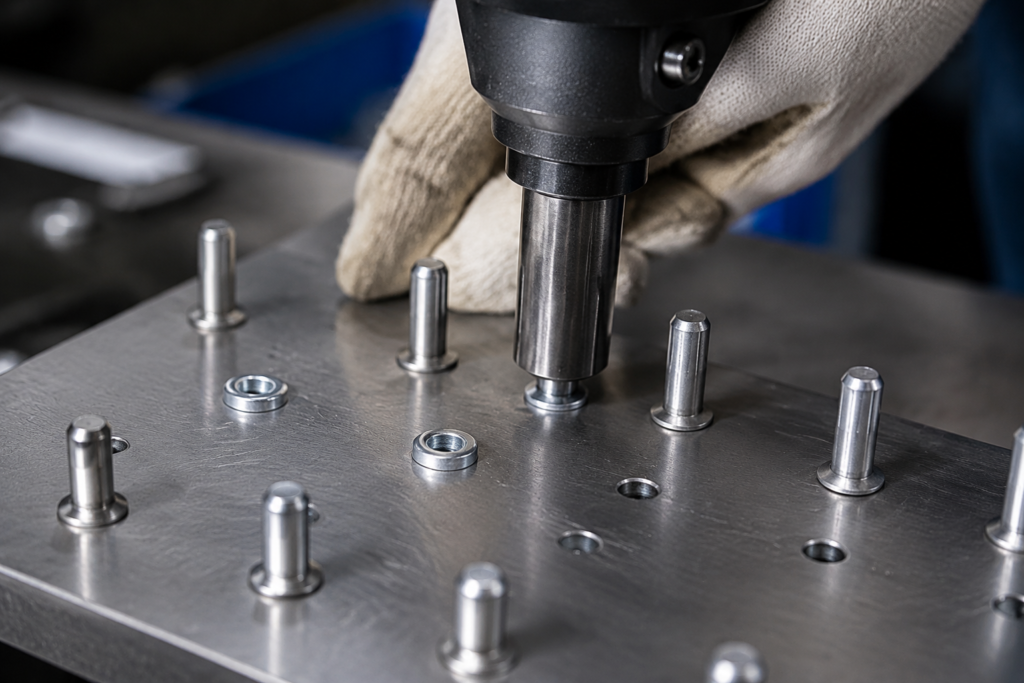
PEM Insertion

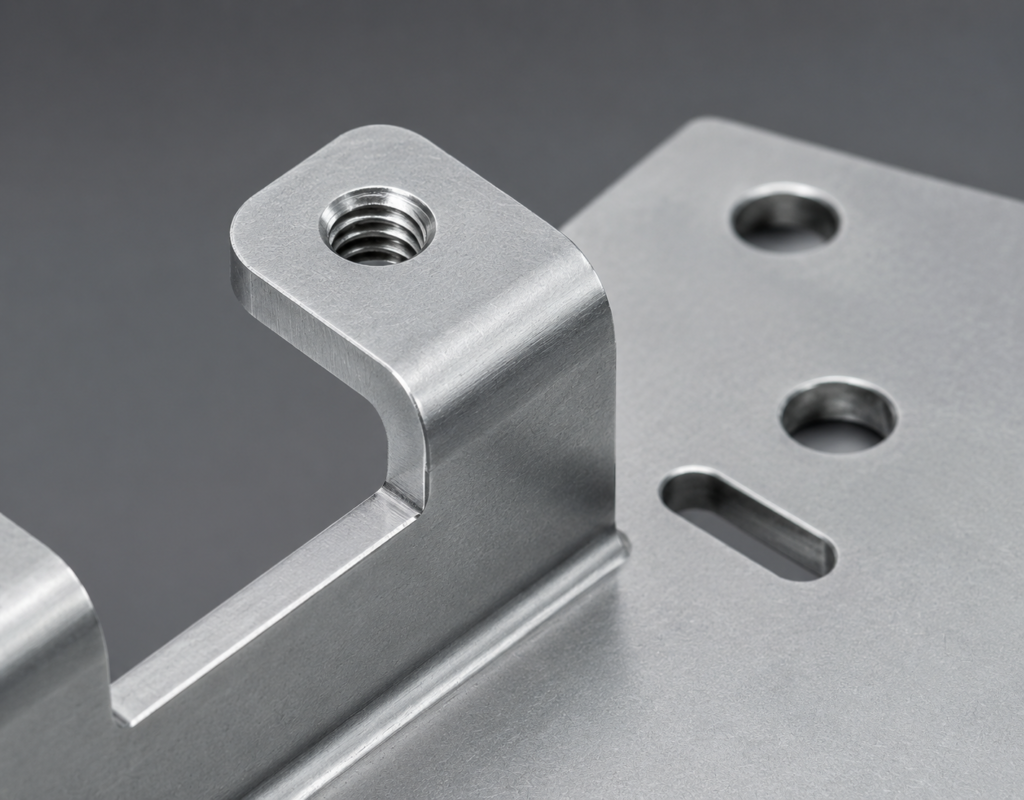
In-house installation of self-clinching PEM nuts and standoffs for secure fastening solutions.

Surface Finishing

Includes deburring, polishing, and engraving to improve part appearance and functional quality.

Assembly Services

Combines fabricated components into complete sub-assemblies ready for final use or shipment.
Cutting types - with shear

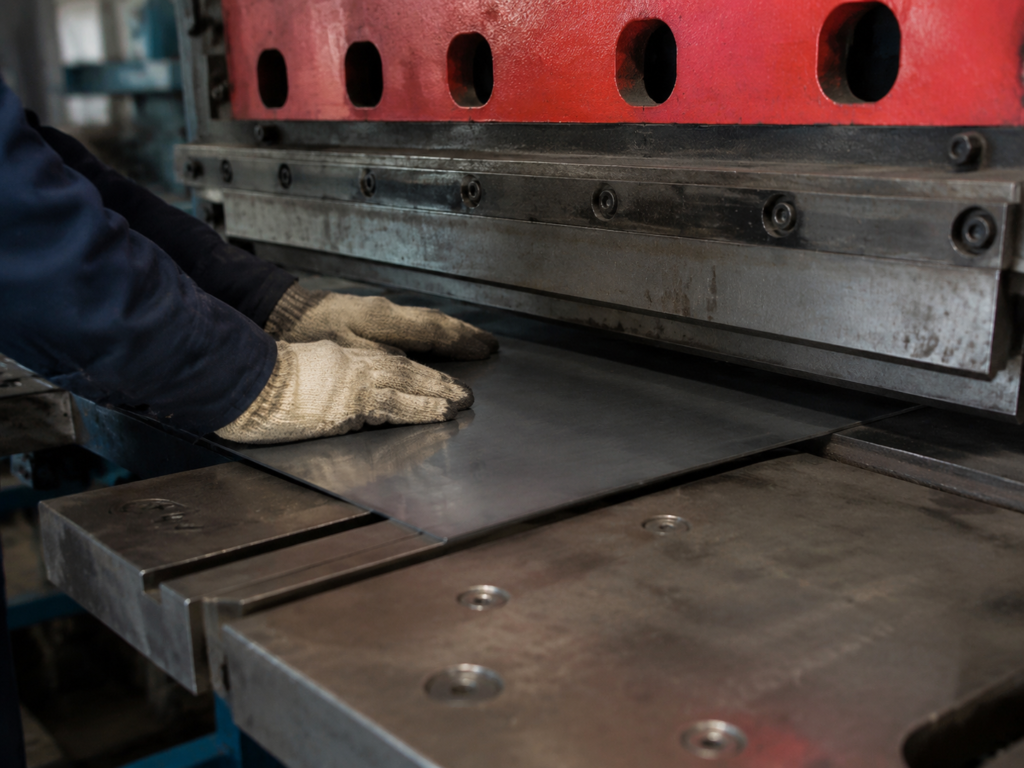
Shearing

Shearing is a straight-line cutting process used to separate sheet metal into two parts using a shear force. The sheet is supported by a die while a punch applies force to cut through the material, leaving a controlled edge with a small clearance typically 5–10% of material thickness.

The cutting edge includes a characteristic profile with a rollover zone, burnished surface, and fractured region. This process is ideal for high-volume straight cuts in softer materials, though burrs may form and finishing may be required.

Blanking and punching

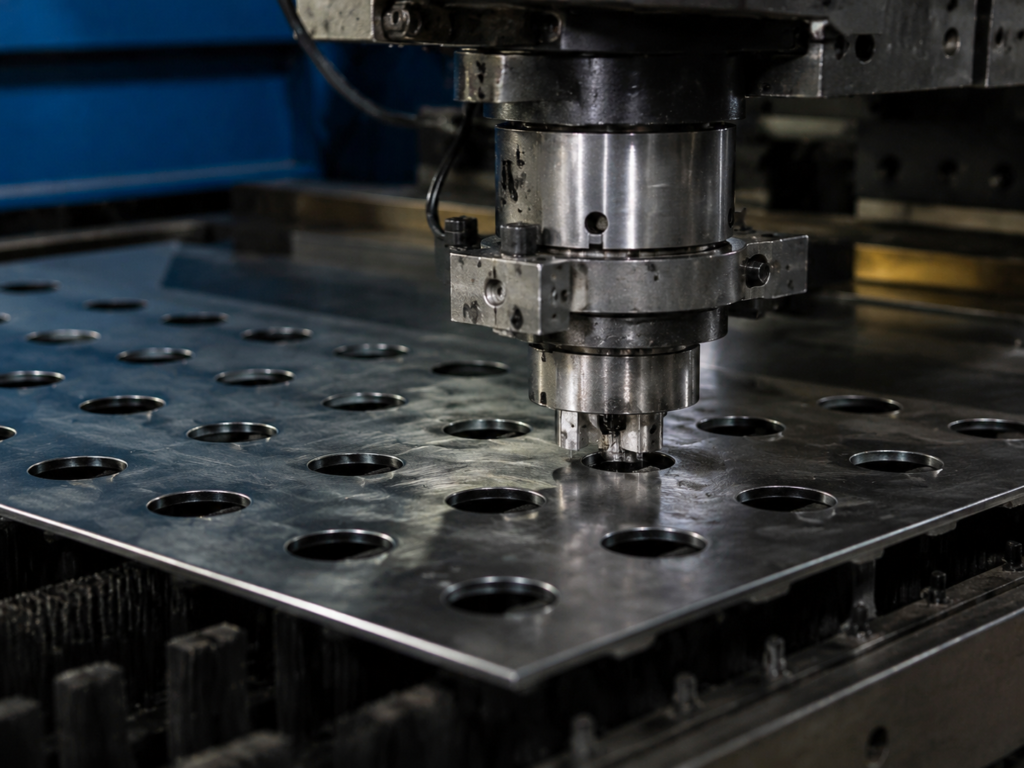
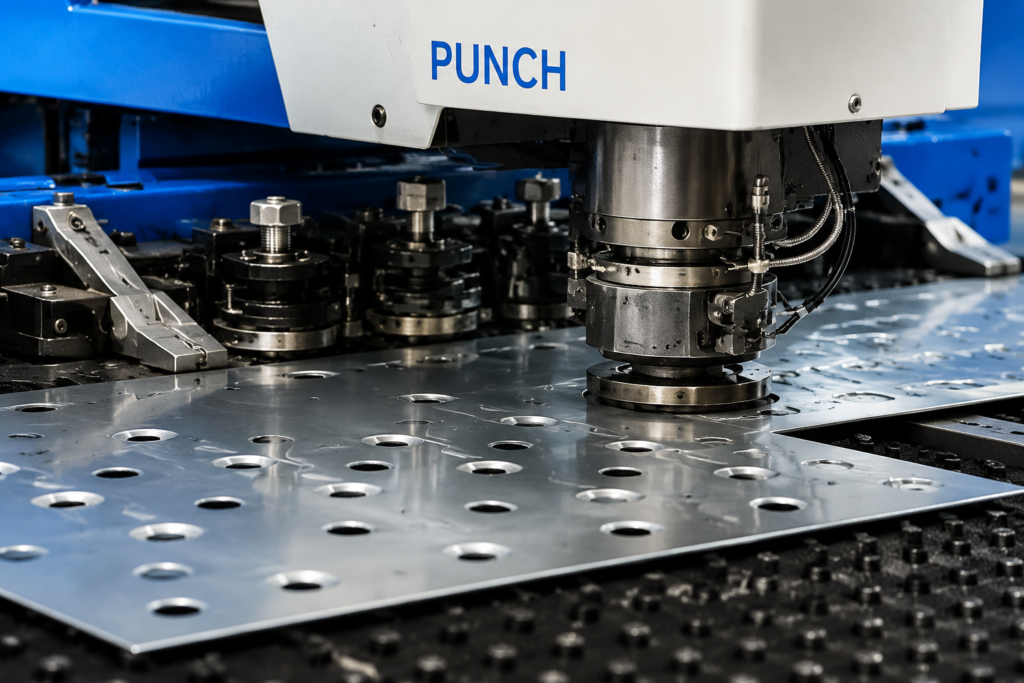
Blanking and punching are similar processes where a punch forces material through a die. In blanking, the cut-out piece is the final component, while in punching, the remaining sheet is the finished part and the removed material becomes scrap.

These processes are suitable for medium to high-volume production of repeated hole or shape features. However, secondary finishing is often required to remove burrs and improve edge quality.

Sawing

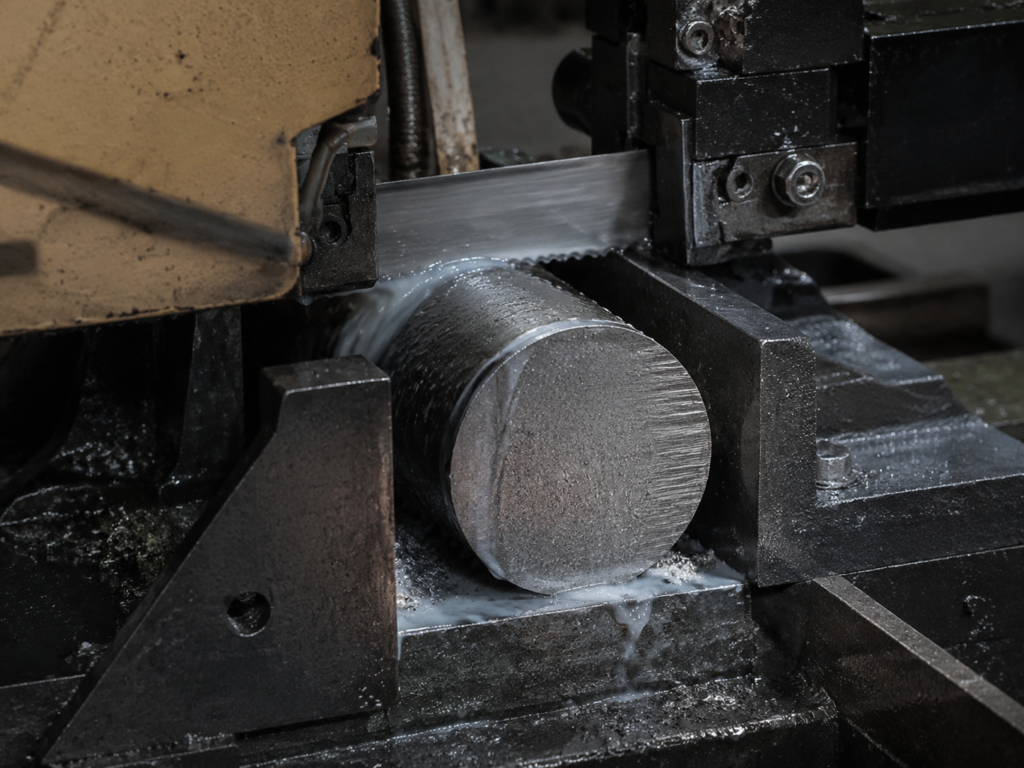
Sawing uses toothed blades such as band saws or disc saws to cut through metal by creating a series of small shear actions. Each tooth removes a small chip through combined friction and shear force.

This method is ideal for large workpieces and softer metals, especially when moderate accuracy and surface finish are required. However, it can produce heavy burrs depending on material and tool condition.

Surface Finishing Services for Sheet Metal Custom Fabrication

Junvor offers a wide range of professional sheet metal surface finishing options to improve durability, corrosion resistance, and appearance, helping enhance overall product performance across different applications. For customized requirements, simply select “Other” and our team will provide a tailored finishing solution to meet your specific needs.

As Machined

Provides a cost-effective CNC finish with visible tool marks, ideal for functional parts without additional surface treatment.

AnodizingAnodizing

Improves corrosion resistance and surface durability while enabling color options, ideal for aluminum components.

Hard Anodizing

Delivers enhanced hardness, wear resistance, and corrosion protection, suitable for demanding aluminum applications.

Alodine

Provides corrosion protection and improves paint adhesion, commonly used as a conversion coating for aluminum parts.

Sand Blasting

Creates a uniform matte surface using abrasive blasting, improving texture and preparing parts for further finishing.

Polishing

Produces a smooth, high-gloss surface by reducing roughness and enhancing the aesthetic appearance of metal parts.

Brushed Finish

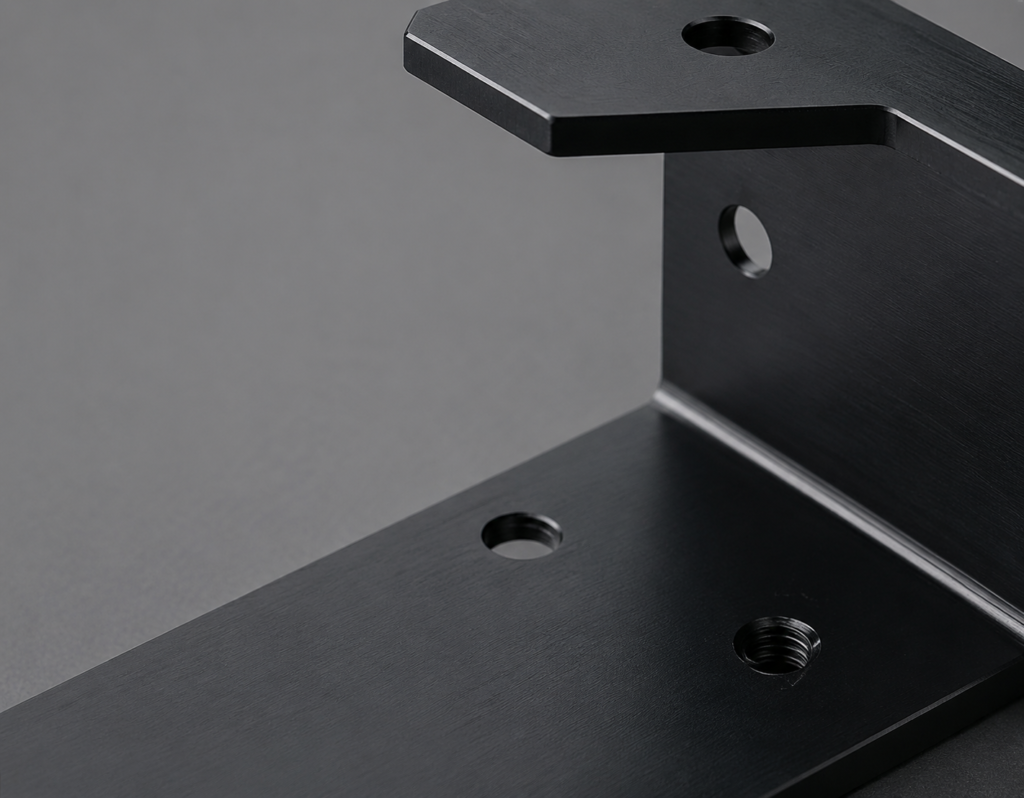
Forms a directional satin texture that reduces visible scratches and improves the visual consistency of metal surfaces.

Electroplating

Adds a thin metal coating to improve wear resistance, corrosion protection, and surface conductivity for parts.

Material + Grade Elongation at Break Machinability Weldability Corrosion Resistance Tensile Strength Cost Level
Aluminum 5052* 7 – 27% Fair Good Excellent 195 – 290 MPa $
Aluminum 5754* 10 – 15% Good Excellent Excellent 160 – 200 MPa $
Stainless Steel 304 45 – 60% Excellent Excellent Good 480 – 620 MPa $$$
Stainless Steel 316L 30 – 50% Good Excellent Excellent 480 – 620 MPa $$$$
Mild Steel 1018 17 – 27% Good Excellent Poor 190 – 440 MPa $$
Copper 110 15 – 50% Poor Moderate to Poor Good 220 – 230 MPa $$

* The aluminum series 5xxx is more suited to sheet metal fabrication than the aluminum series 6xxx, commonly used for CNC machined parts. This is because aluminum series 5xxx is more ductile and tears less easily when bent.

Ready to Get a Sheet Metal Fabrication Quote?

Sheet metal components and assemblies can be produced in as fast as 1 day depending on design complexity. At Junvor, we provide fast and reliable sheet metal fabrication services to support your prototyping and low-volume production needs.

Get an instant online quote today and let our engineering team help you improve manufacturability, reduce lead time, and ensure consistent quality for your custom parts.

Types of Sheet Metal Fabrication Processes

At Junvor, we provide comprehensive sheet metal fabrication services in China, supporting everything from prototype development to high-volume production. Our experienced engineering team ensures every part is manufactured with precise specifications, consistent quality, and reliable performance.

Laser Cutting

Laser cutting provides high precision and clean edges for complex sheet metal parts. It ensures fast cutting speed, minimal material waste, and excellent accuracy for stainless steel, aluminum, and other metals.

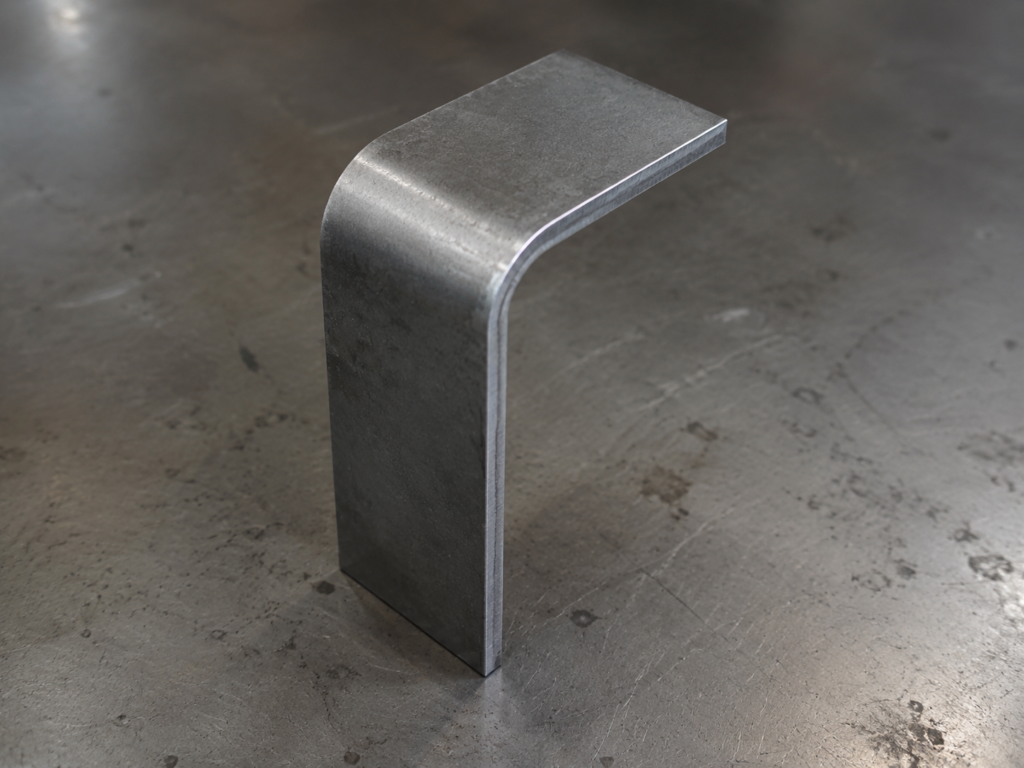
Bending

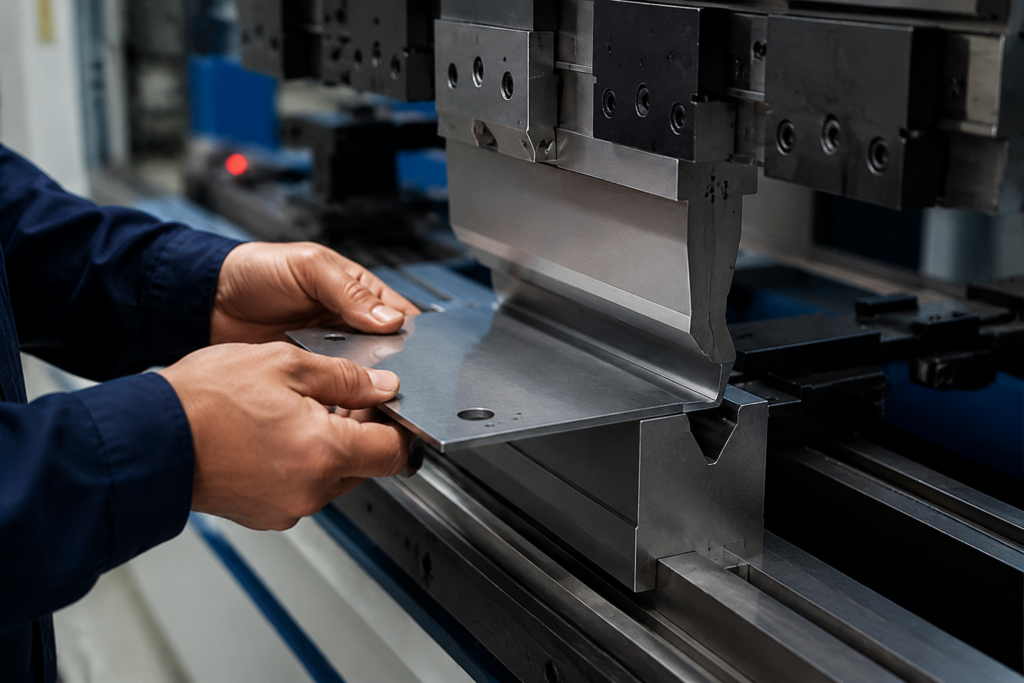
Sheet metal bending uses advanced press brake machines to form accurate angles and consistent dimensions. It is essential for structural strength, assembly fit, and functional industrial components.

Welding

Welding is a key fabrication process used to securely join metal components. It ensures strong joints, structural integrity, and durability for a wide range of sheet metal assemblies and industrial applications.

Punching

Punching is a cost-effective sheet metal process used to create holes and complex patterns with high precision. It is ideal for high-volume production with consistent quality and efficient manufacturing speed.

Riveting

Riveting is a reliable fastening method used to join metal components without welding. It provides strong structural connections and is suitable for complex assemblies where welding is not practical.

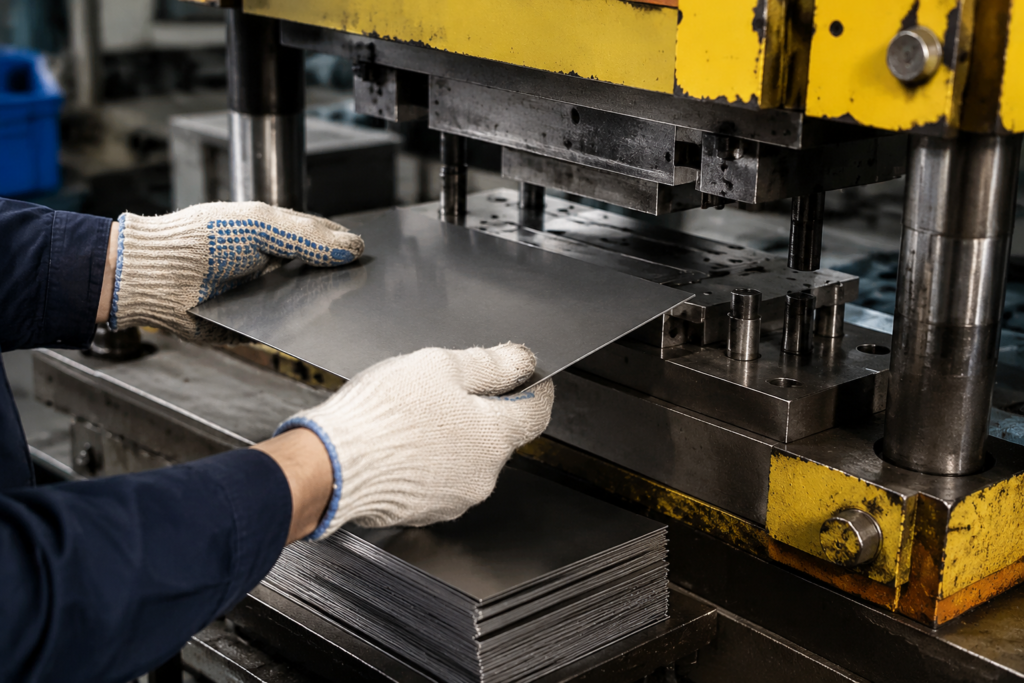
Stamping

Stamping forms sheet metal into specific shapes using high-pressure dies. It enables efficient mass production of uniform parts and is widely used in automotive and industrial manufacturing.

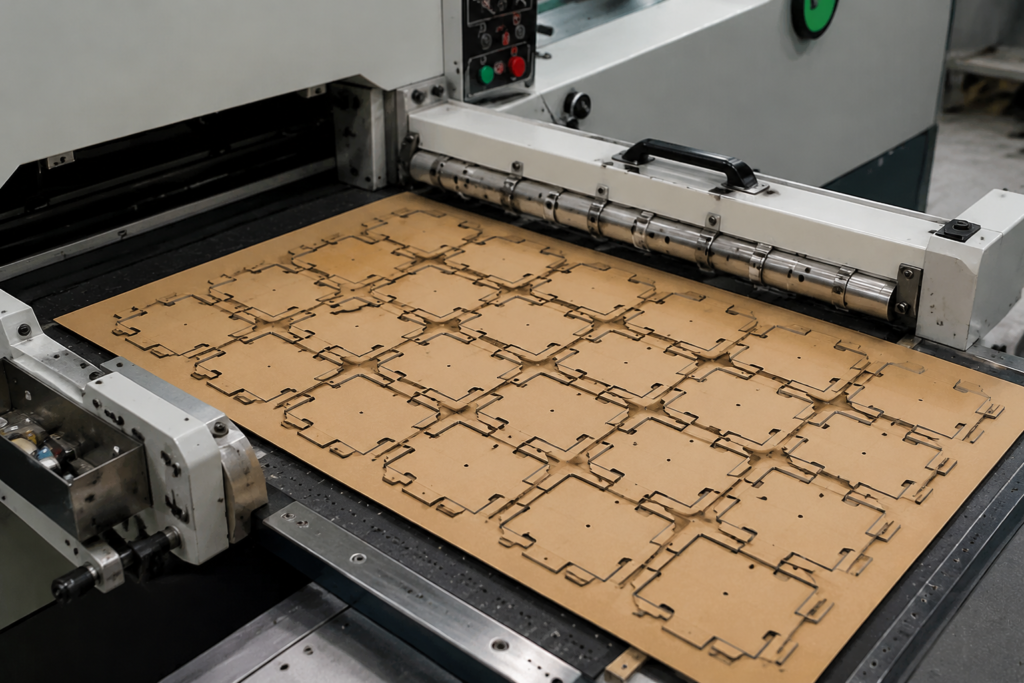
Die Cutting

Die cutting is a precise sheet metal process used to produce custom-shaped parts with tight tolerances and high repeatability. It is ideal for mass production, ensuring consistent quality and efficient manufacturing performance.

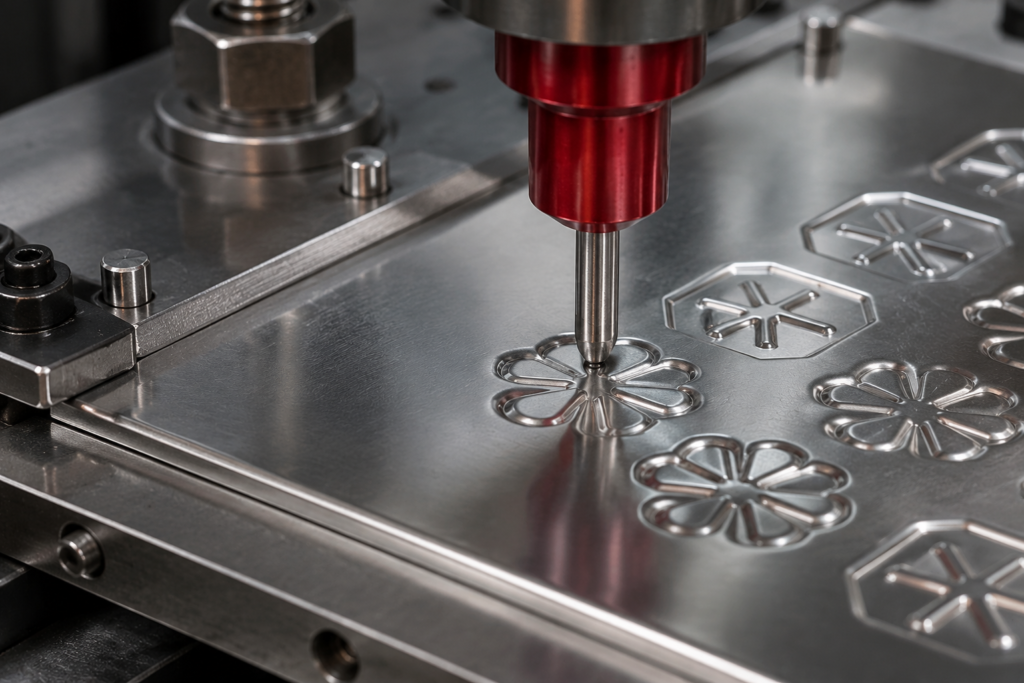
Embossing

Embossing is a sheet metal forming process that uses matched male and female dies to create raised or recessed patterns. It improves surface texture and appearance while maintaining structural integrity.

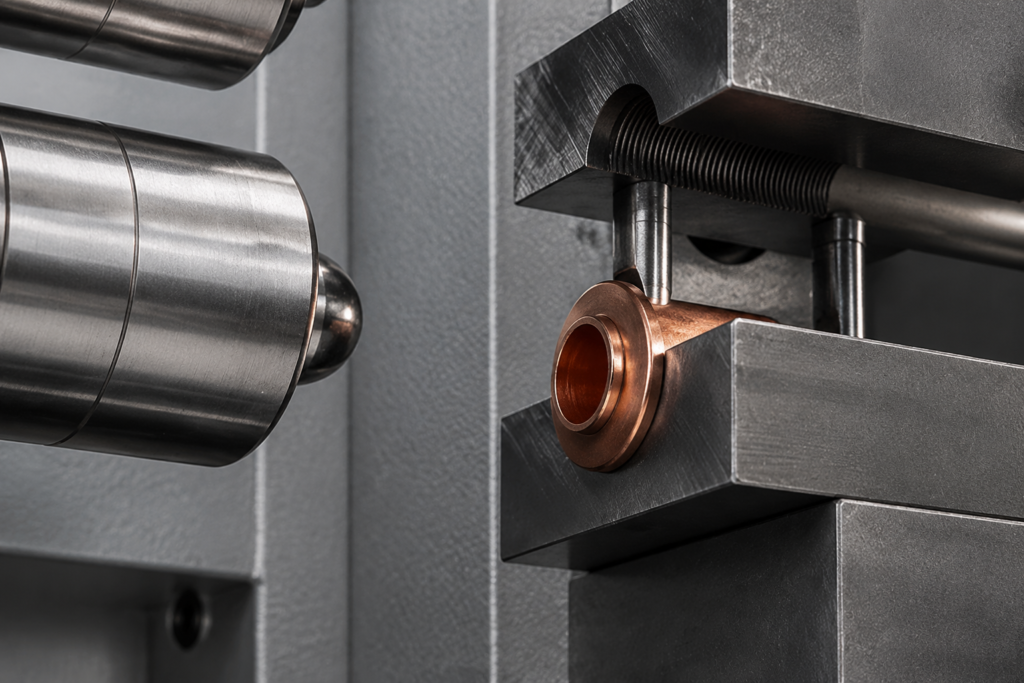
Forming

Sheet metal forming shapes metal sheets through bending, stretching, and pressing. It allows complex geometries with good strength, precision, and consistent quality for industrial applications.

Key Design Considerations in Sheet Metal Fabrication


Wall thickness is one of the most critical factors in sheet metal design, as parts are formed from a single sheet and must maintain a uniform thickness. Inconsistent thickness can lead to deformation and uneven strength distribution during manufacturing.

For laser-cut and formed sheet metal parts, the recommended thickness range is typically 0.5–10 mm, while bent components perform best within 0.5–6 mm. Proper thickness control improves formability, structural stability, and overall product quality.

Kerf Allowance in Laser Cutting Design

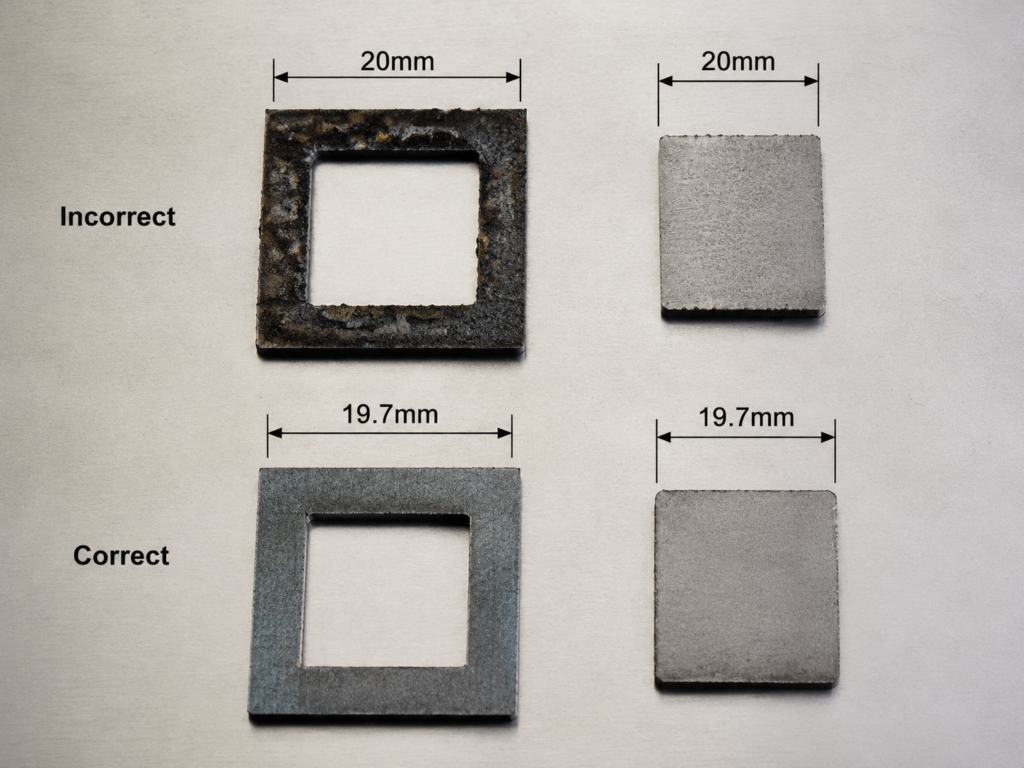
Laser cutting removes a small amount of material during processing, known as the cutting kerf. On average, laser cutting produces a very fine kerf of around 0.3 mm, which is generally lower than waterjet or plasma cutting. However, the exact kerf may vary depending on the material type and laser beam characteristics.

When designing interlocking or assembly parts, kerf compensation is essential to ensure accurate fitting. A common engineering practice is to add half of the kerf to internal dimensions and subtract the same amount from external dimensions to achieve precise assembly tolerance.

Minimum Hole Diameter Recommendation

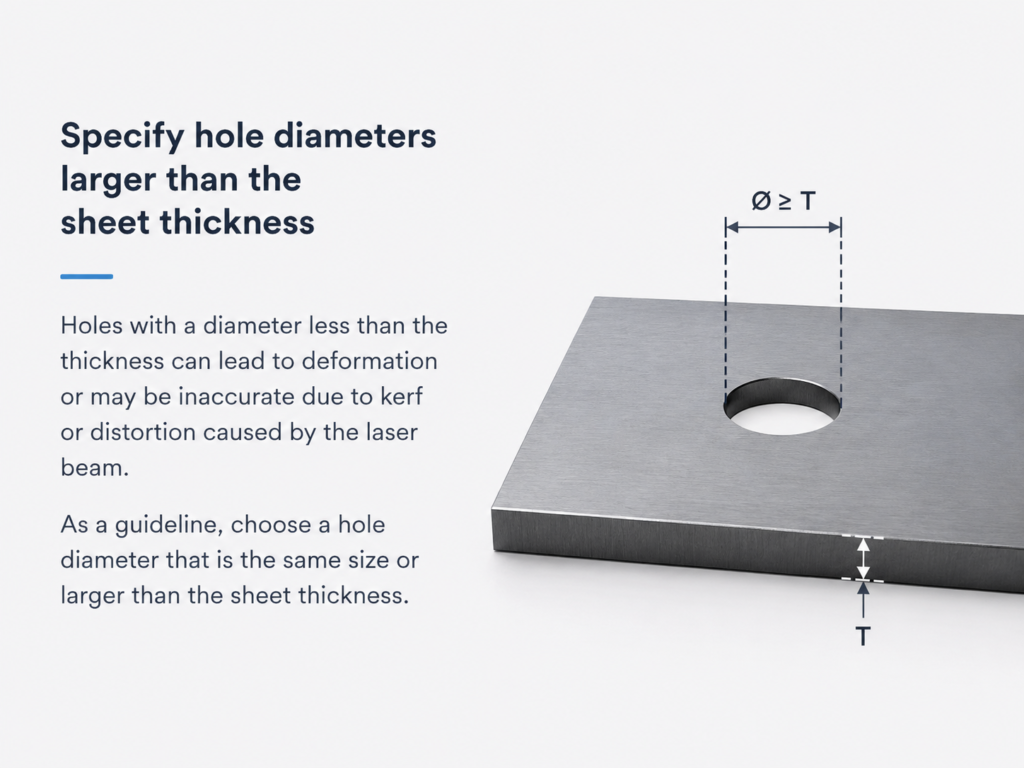
Holes that are smaller than the sheet thickness may cause deformation, reduced accuracy, or poor edge quality due to thermal influence and cutting kerf effects. Therefore, proper hole sizing is critical for stable laser cutting results.

As a general rule, hole diameters should be at least equal to or greater than the sheet thickness. While smaller holes can sometimes be produced, following this guideline ensures better precision and manufacturing reliability.

Proper Spacing Between Holes

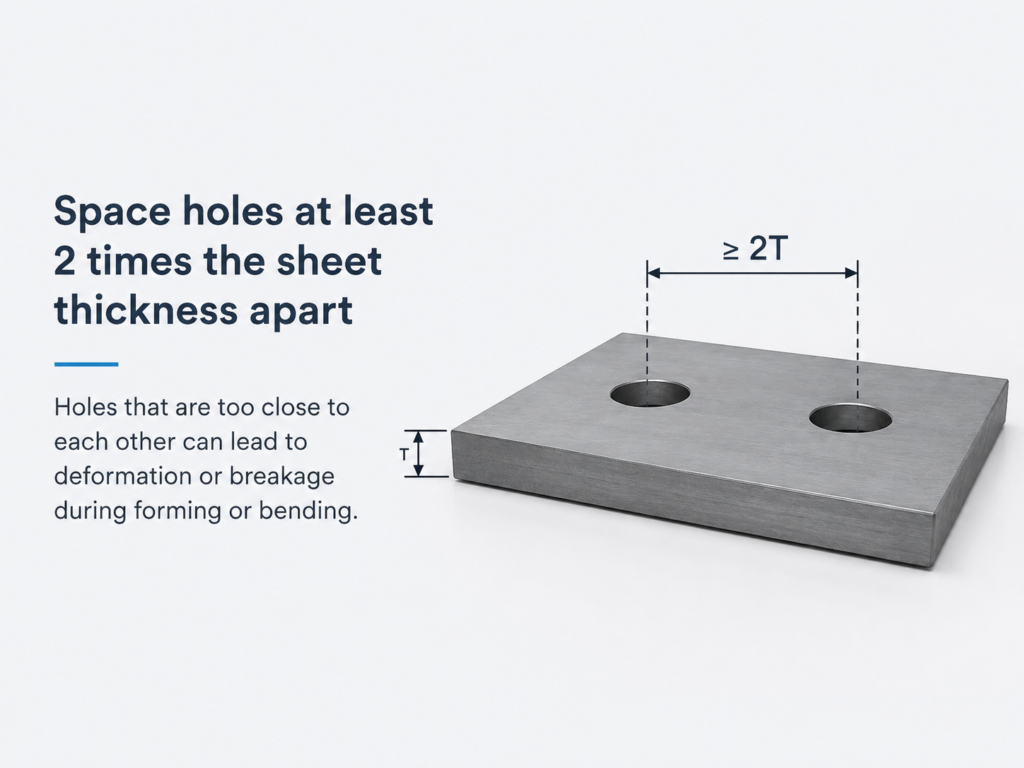
When holes are placed too close together, the material may weaken or deform during cutting or subsequent forming processes due to heat concentration and structural stress.

To maintain structural integrity, it is recommended to keep a minimum distance of at least 2× the sheet thickness between holes. This spacing helps prevent distortion and ensures consistent machining quality.

Edge Distance for Hole Placement

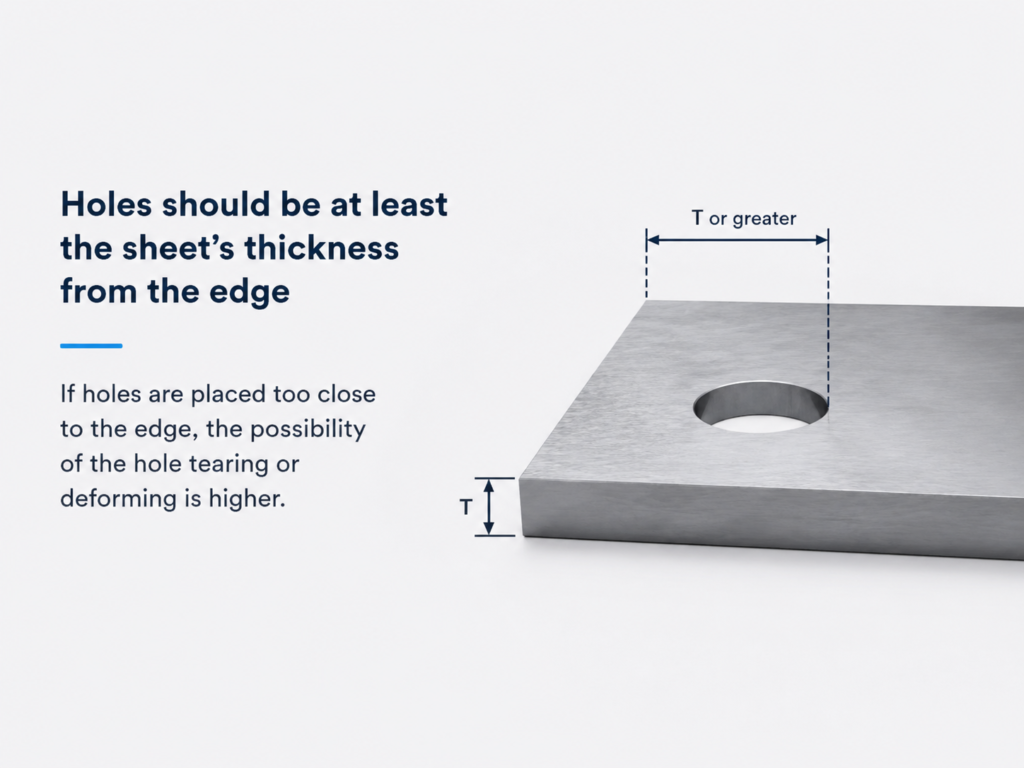
Holes positioned too close to the edge of a component are more likely to tear, deform, or weaken the structure, especially under bending or mechanical stress.

To improve durability and manufacturing stability, all holes should be placed at least one sheet thickness away from the edge. This reduces the risk of edge failure and improves overall part strength.

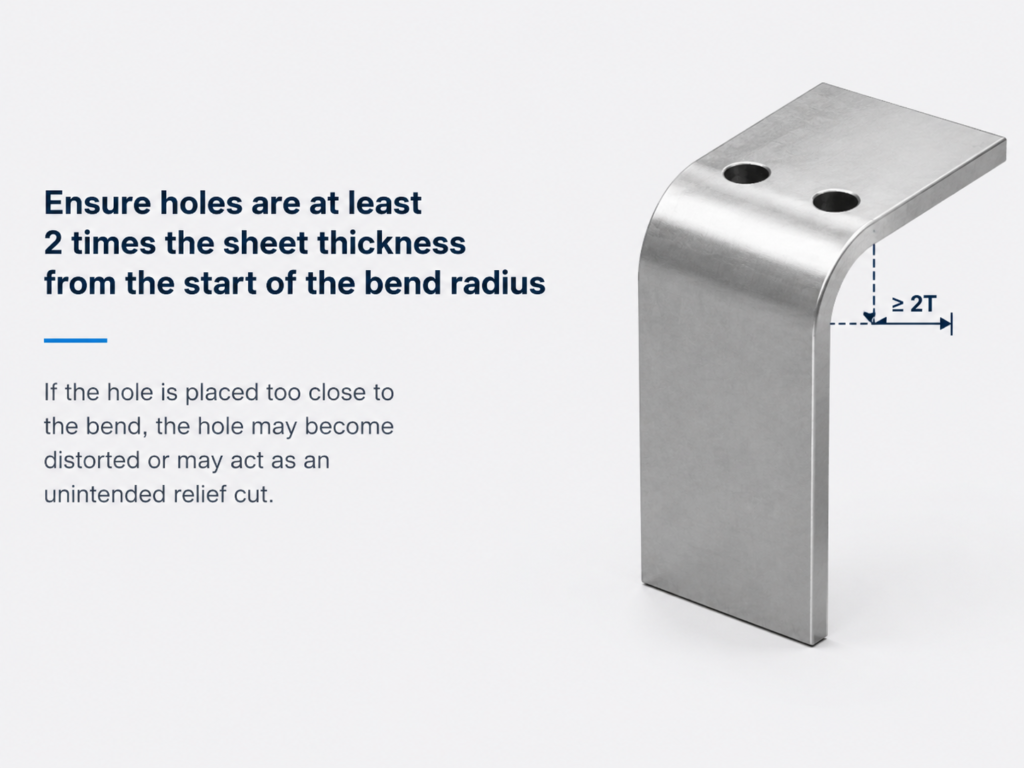
Hole Positioning Near Bend Areas

Holes located too close to bend lines may become distorted during forming or act as unintended relief cuts, affecting part accuracy and structural integrity.

To avoid such issues, ensure all holes are positioned at least 2× the sheet thickness away from the start of any bend radius. This ensures stable forming performance and consistent dimensional accuracy.

Sheet Metal Fabrication Capabilities at Junvor

Description Standard
General Tolerances Metals: ISO 2768-c
Cutting Features ±0.2 mm / ±0.00787″
Bend Angle ±1.0°
Bend to Edge ±0.254 mm / ±0.010″
Bend to Hole ±0.2 mm

Sheet Metal Applications

Sheet metal is used to produce custom parts from prototypes to mass production. With years of experience, Junvor helps select the right materials and provides reliable solutions for different industrial applications.

  • Enclosures
  • Brackets
  • Panels
  • Chassis
  • Mounting plates
  • Cabinets
  • Ducts
  • Covers
  • Frames
  • Shields
  • Clips
  • Trays
  • Gussets
  • Heat sinks
  • Housings
  • Faceplates
  • Racks
  • Boxes
  • Louvres
  • Reinforcements
  • Hinges
  • Latches
  • Supports
  • Connectors
  • Flanges
  • Reinforced corners
  • Control panels
  • Equipment bases
  • Bins
  • Battery holders
  • Vents
  • Drawer slides
  • Signage backplates
  • Filter holders
  • Cable management trays
  • Knockout panels
  • Electrical enclosures
  • Access doors
  • Machine guards
  • Terminal boxes

Get Your Custom Sheet Metal Fabrication Parts Today!

From concept to final product, Junvor is committed to delivering high-quality sheet metal fabrication with fast turnaround for every order. Whether you need small-batch custom parts, prototyping, or high-precision components for critical applications, our experienced team is ready to support your project at every stage.

Contact us today for a free quote or project consultation. Let’s work together to create precise, durable, and cost-effective sheet metal parts tailored to your requirements.

FAQ

Sheet metal fabrication is the process of cutting, bending, and assembling flat sheets of metal into finished products.

Sheet metal thickness can vary widely, typically from 0.005 inches (0.127 mm) for thin sheets to 0.25 inches (6.35 mm) or more for thicker applications.

Common materials include steel (carbon and stainless), aluminum, copper, brass, and various alloys.

Yes, many CAD software programs have specific features for designing sheet metal components, including bend allowances and flat patterns.

Consider factors like bend radius, material thickness, tolerances, and the intended manufacturing process to optimize design for fabrication.

Costs are influenced by material type, thickness, complexity of the design, quantity, and labor involved. Requesting quotes from fabricators can provide clearer estimates.

CNC Machining Design Guide

Essential Design Tips for Engineers & Buyers to Ensure Quality Machined Parts

Improve Your Part Quality & Save Costs!