How we helped an industrial equipment manufacturer improve production efficiency, reduce manufacturing costs, and achieve consistent part quality through advanced CNC machining solutions.
Project Overview
| Project Overview | |
|---|---|
| Industry | Industrial Equipment Manufacturing / Precision Metal Processing |
| Customer Location | Israel |
| Customer Identity | CEO of an industrial equipment company, responsible for machinery development, supplier evaluation, and manufacturing process decisions. |
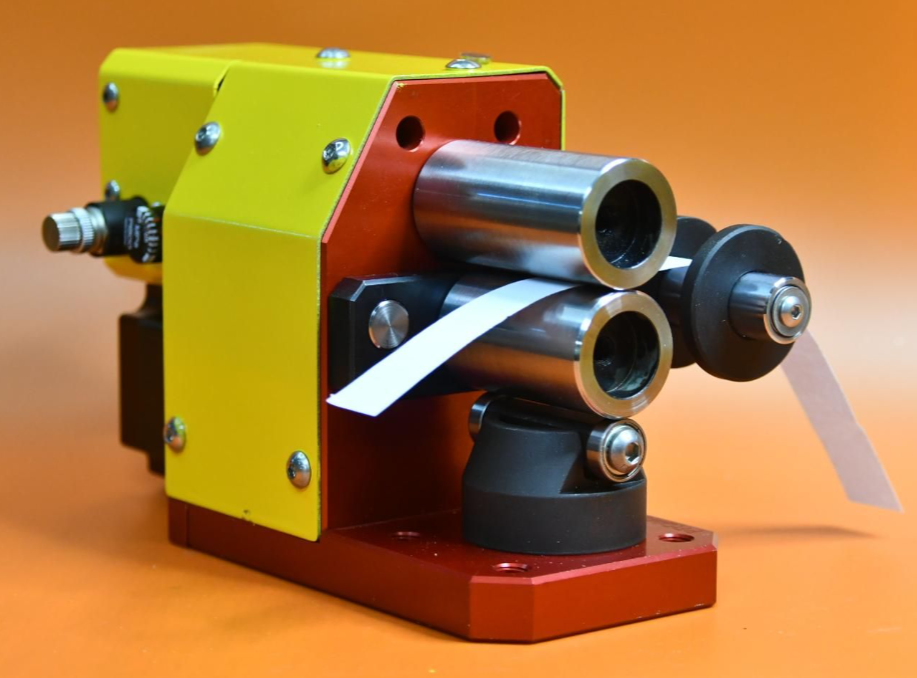
| Product | Industrial Equipment Brackets and Precision Machine Components |
| Application | The components are used in industrial machinery equipment, requiring high precision, stable mechanical performance, and reliable surface treatment quality. |
| Material & Process | Aluminum 6061 + CNC Machining + Anodizing; 4340 Tool Steel + CNC Machining + Coating; Stainless Steel 304 + Sheet Metal Bending + Painting. |
| Customer Requirements | The customer required high precision manufacturing with ±0.02mm tolerance on critical areas, H7 hole tolerance, N4 surface roughness, bright and glossy surface finish, and 80μm coating thickness. |
| Quantity | 20 pcs initial production order. |
| Project Stage | Engineering Review → Quality Confirmation → Small Batch Production |
Customer Background
The customer is the CEO of an industrial equipment company based in Israel, focusing on machinery development, equipment components, and manufacturing process optimization. With experience in industrial applications, the customer has a clear understanding of product requirements, quality standards, and supplier capabilities.
The customer was looking for a reliable manufacturing partner who could support precision machining projects with strict tolerance and surface treatment requirements. Besides production capability, the customer valued professional communication, technical understanding, and the ability to provide practical solutions to balance quality, performance, and manufacturing cost.
Customer Requirements
The customer required high-precision machining for industrial equipment components, with ±0.02mm tolerance on critical dimensions to ensure proper assembly and stable performance. The parts also required H7 hole tolerance and N4 surface roughness to meet the functional and quality requirements of the equipment.
In addition to dimensional accuracy, the customer required a high-quality surface finish after treatment, including a bright and glossy appearance with a coating thickness of 80μm. These requirements required strict process control during machining and surface treatment to ensure the final parts met the customer’s expectations.
Customer Challenges & Key Concerns
The customer was concerned about the differences between black oxide coating and hard chrome plating, especially regarding the processing methods, performance differences, and local manufacturing costs. The customer wanted to understand whether the selected surface treatment could achieve the required quality while maintaining reasonable production costs.
Quality was another key concern for the customer. Since the components required precision machining, strict tolerances, and specific surface treatment results, the customer needed confidence that the final parts could meet the drawings and application requirements before moving forward with production.
The customer also compared different supplier options, including a local supplier in Shenzhen, which meant he had multiple choices and was carefully evaluating the best manufacturing partner. Therefore, the customer paid close attention to our technical understanding, production capability, pricing competitiveness, and ability to provide reliable support throughout the project.
Material & Manufacturing Requirements
The project involved multiple materials and manufacturing processes based on different component requirements. The customer required Aluminum 6061 with CNC machining and anodizing for lightweight and corrosion-resistant parts, 4340 tool steel with CNC machining and coating for high-strength components, and Stainless Steel 304 with sheet metal bending and painting for structural parts.
Each material and process combination required careful control of machining accuracy, surface treatment quality, and final appearance. We optimized the manufacturing process according to the characteristics of each material to ensure the components met the customer’s requirements for precision, durability, and surface performance.
Customer Concerns & Technical Evaluation
The customer was mainly concerned about the differences between black oxide coating and hard chrome plating, including processing methods, performance differences, and cost comparison with local suppliers. The customer wanted to find a surface treatment solution that could meet the product requirements while maintaining reasonable manufacturing costs.
The customer also paid close attention to product quality and overall price competitiveness. Since the customer already had cooperation with suppliers in Shenzhen, he carefully evaluated different options and focused on whether we could provide stable quality, professional technical support, and a reliable manufacturing solution.
Our Recommended Solution & Reasons
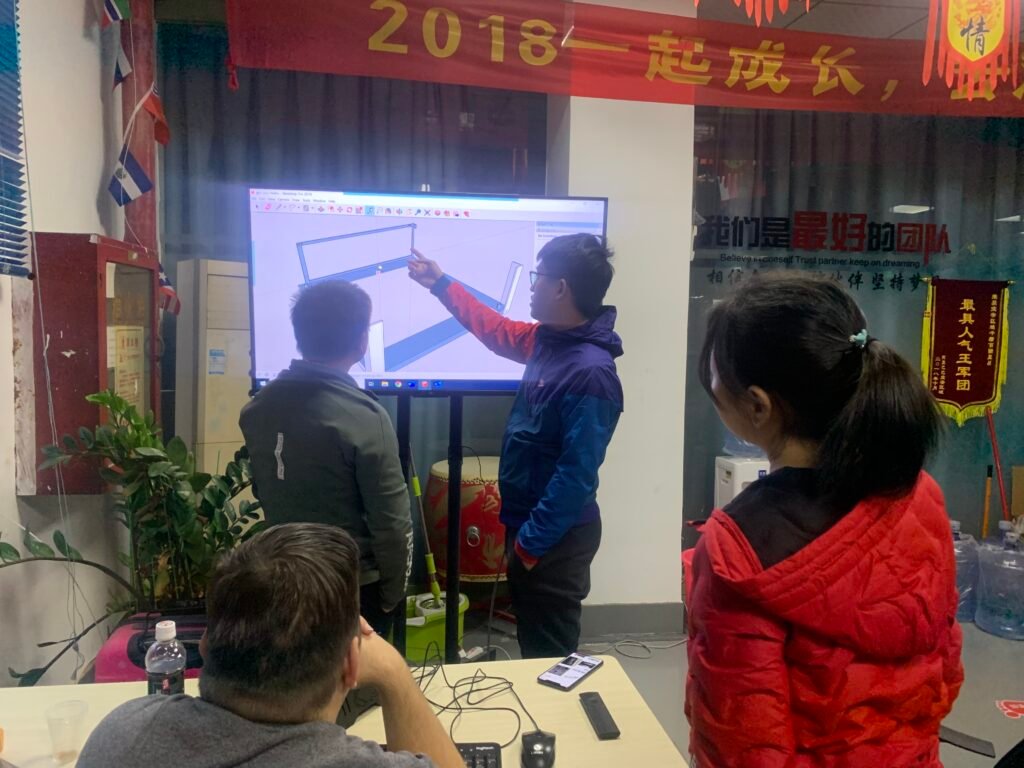
To solve the tolerance concern, we reviewed the customer’s drawings and manufacturing requirements with our engineering team. We recommended keeping ±0.02mm tolerance only on critical functional areas, while applying standard machining tolerances to non-critical dimensions. This approach ensured product performance while avoiding unnecessary manufacturing difficulty and cost increases.
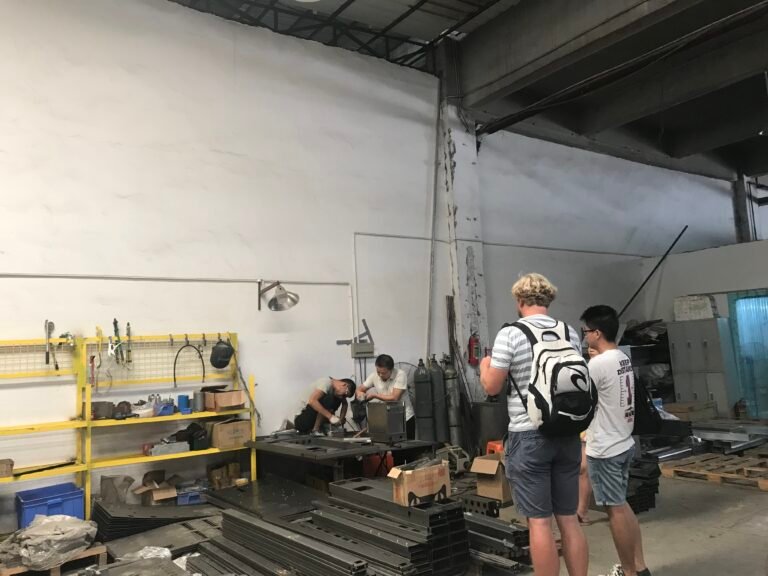
For the quality concern, we proposed a first article inspection process before continuing mass production. After completing the initial parts, we would provide detailed measurement data, high-resolution photos, and production videos to allow the customer to review the machining results and confirm the quality.
Through this step-by-step communication process, the customer could verify the product quality before full production. This solution reduced the customer’s risk, improved confidence in our manufacturing capability, and ensured the project could move forward smoothly.
To solve the tolerance concern, we reviewed the customer’s drawings and manufacturing requirements with our engineering team. We recommended keeping ±0.02mm tolerance only on critical functional areas, while applying standard machining tolerances to non-critical dimensions. This approach ensured product performance while avoiding unnecessary manufacturing difficulty and cost increases.
For the quality concern, we proposed a first article inspection process before continuing mass production. After completing the initial parts, we would provide detailed measurement data, high-resolution photos, and production videos to allow the customer to review the machining results and confirm the quality.
Through this step-by-step communication process, the customer could verify the product quality before full production. This solution reduced the customer’s risk, improved confidence in our manufacturing capability, and ensured the project could move forward smoothly.

Customer Concerns
The customer was mainly concerned about the surface treatment process, product quality, and overall cost. For the coating requirements, the customer wanted to compare the differences between black oxide coating and hard chrome plating, including processing methods, performance, and local manufacturing costs, to determine the most suitable solution for the application.
The customer also paid close attention to the quality consistency and price competitiveness of the parts. Since the components required precision machining and strict surface treatment standards, the customer needed confidence that the final products could meet the technical requirements while maintaining reasonable production costs.
Our Follow-up Approach

Due to customer privacy and confidentiality requirements, the original conversation screenshots have been partially blurred. Thank you for your understanding.
To address the customer’s tolerance concerns, we communicated with our engineering team and suggested keeping ±0.02mm tolerance only for critical functional areas, while applying standard ±0.1mm tolerance for non-critical dimensions. We explained that tighter tolerances require higher machining difficulty, increased inspection requirements, and higher risk of scrap, which would directly affect manufacturing costs.
For the surface treatment and supplier concerns, we focused on technical communication rather than only price comparison. We explained the differences between black oxide coating and hard chrome plating from a process and quality control perspective. At the same time, we learned more about the customer’s existing Shenzhen supplier and found that the supplier was mainly a mold manufacturer. As a real manufacturing partner in Shenzhen, we positioned ourselves as a complementary supplier that could provide precision machining and surface treatment support to create more value for the customer.
Finished Component Showcase: Industrial Equipment Brackets
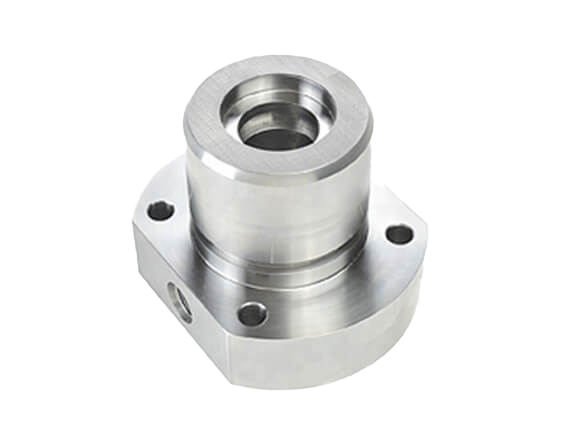
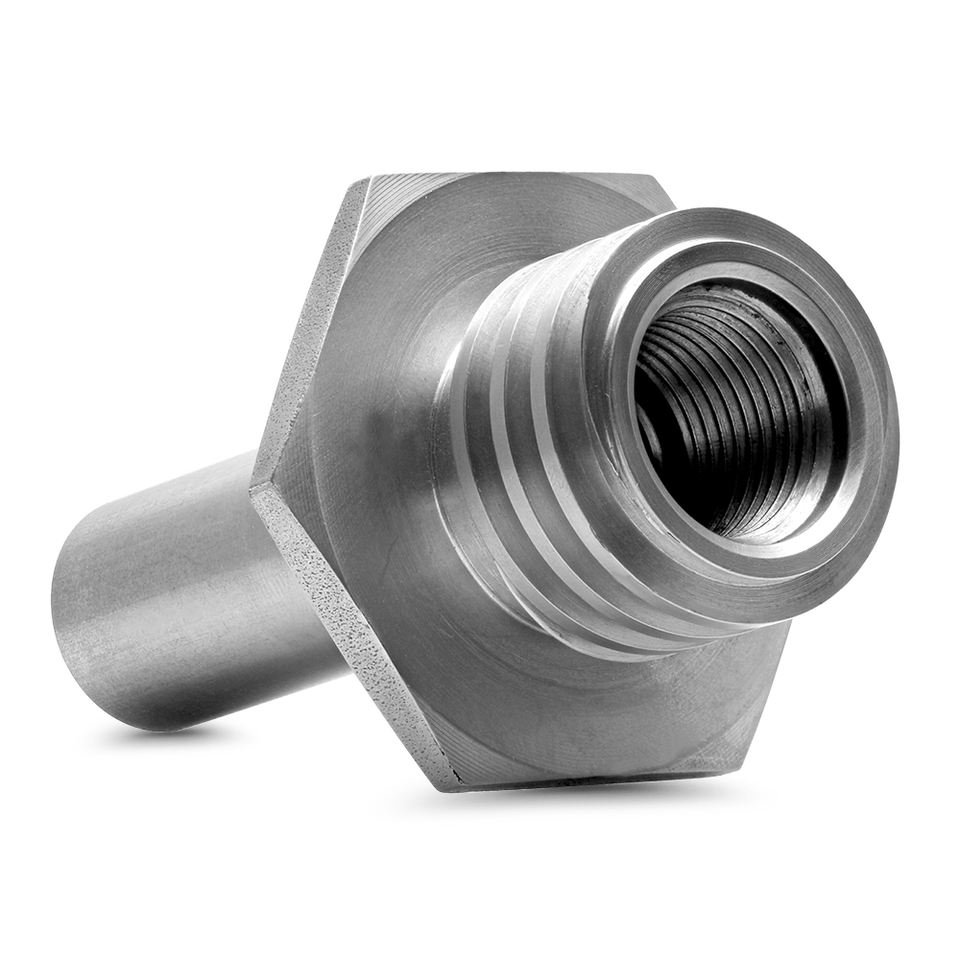
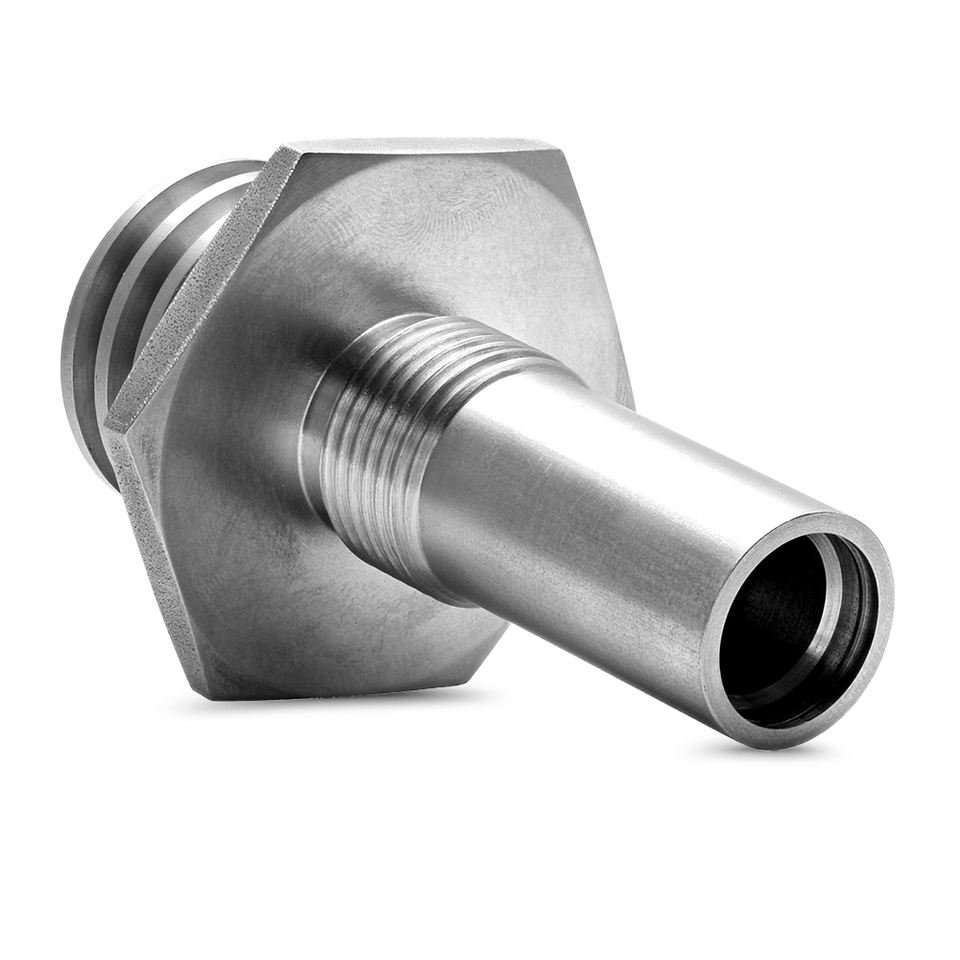
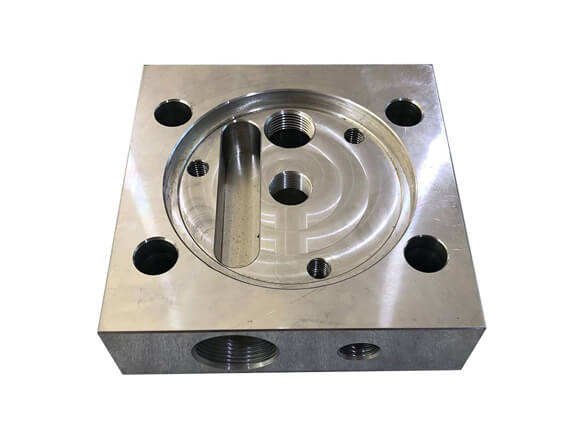
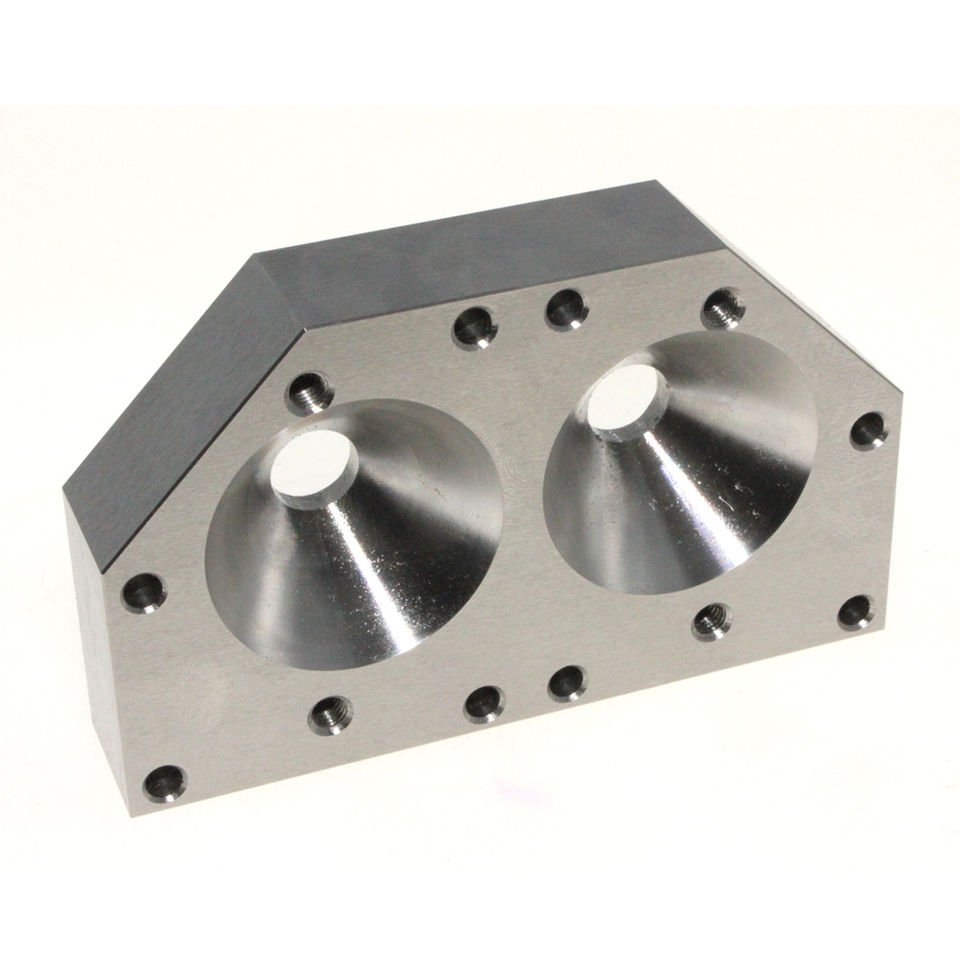
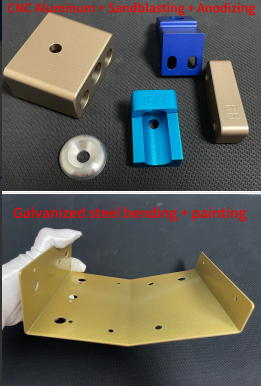
The finished components shown are precision-machined brackets and structural parts used in industrial equipment systems. These parts require high dimensional accuracy, stable mechanical performance, and reliable surface treatment to ensure proper assembly and long-term operation in industrial applications.
Through CNC machining, surface treatment, and strict quality control, we manufactured the components according to the customer’s technical requirements, including tight tolerances, specific surface finishes, and coating standards. The final products demonstrate our ability to provide complete manufacturing solutions from engineering communication to precision production.
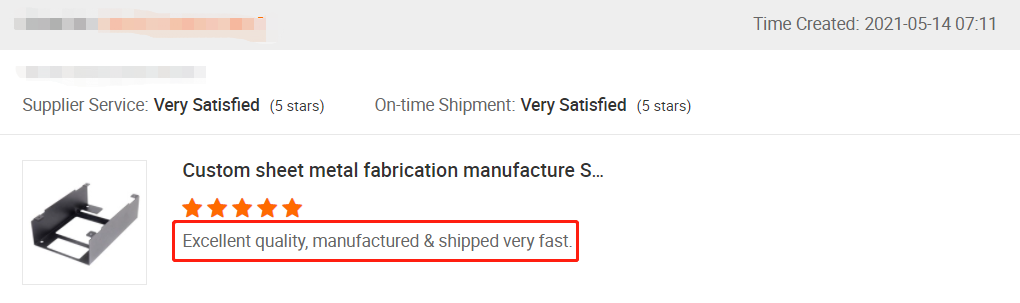
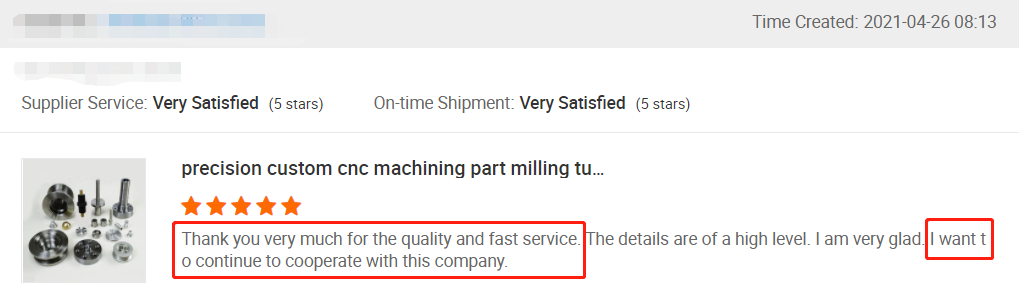
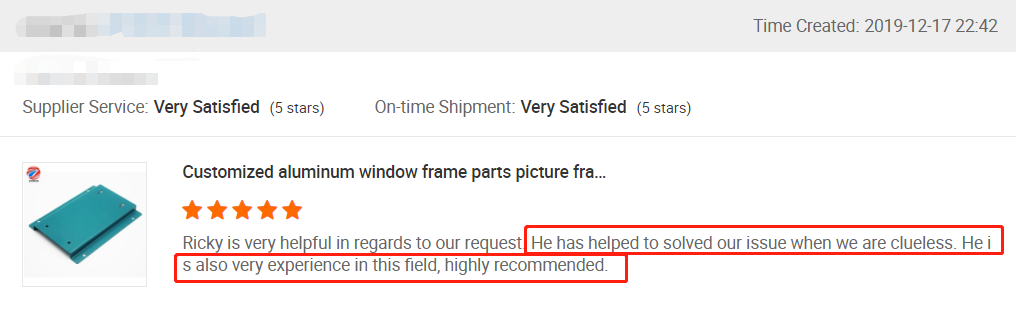
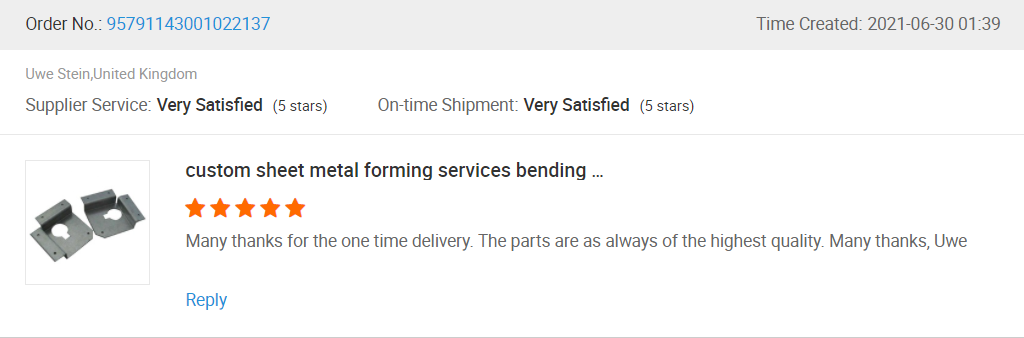
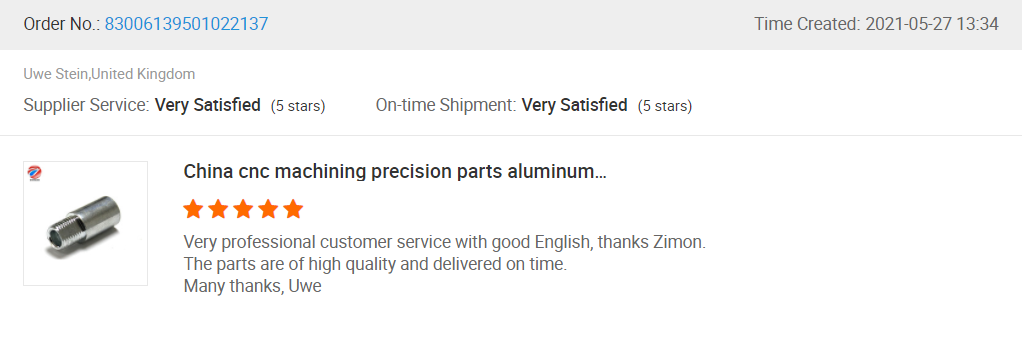
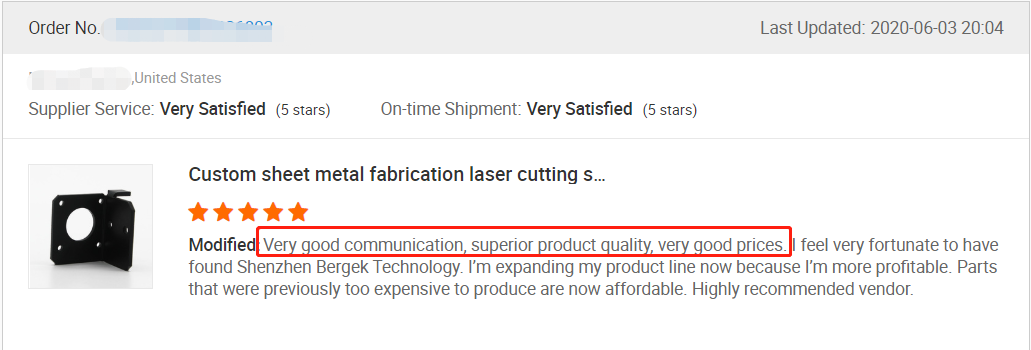
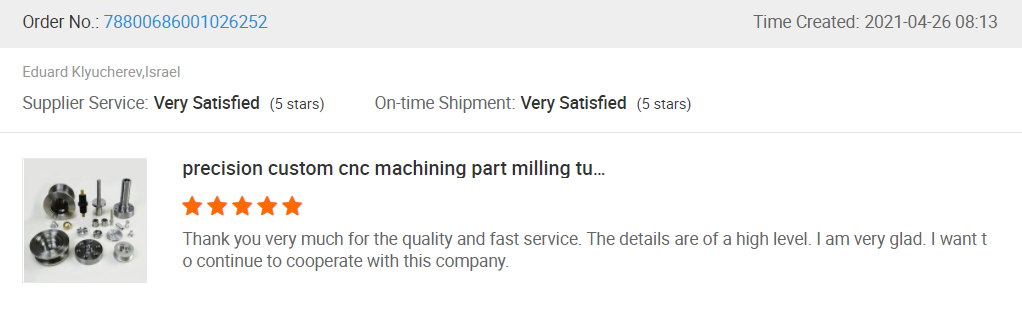
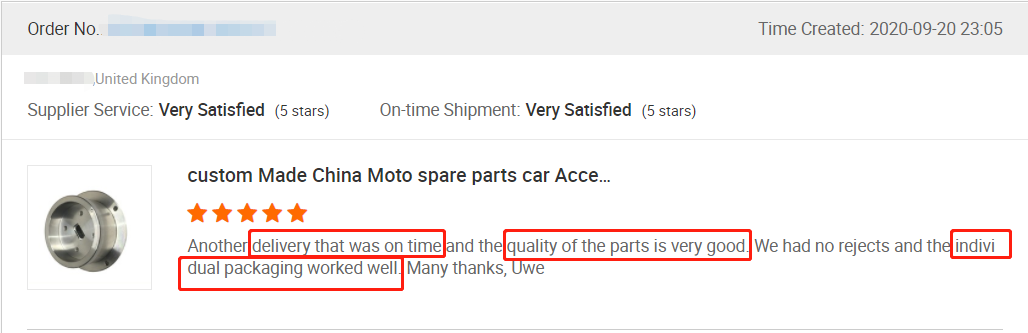
What Our Customers Say

CNC Machining Design Guide
Essential Design Tips for Engineers & Buyers to Ensure Quality Machined Parts
- Design for Manufacturability (DFM)
- Tolerance & Dimensional Control
- Surface Finish Selection
- Common Design Pitfalls to Avoid
- Material & Process Optimization
- Cost & Production Efficiency Consideration